
Beautiful Plants For Your Interior
Beautiful Plants For Your Interior
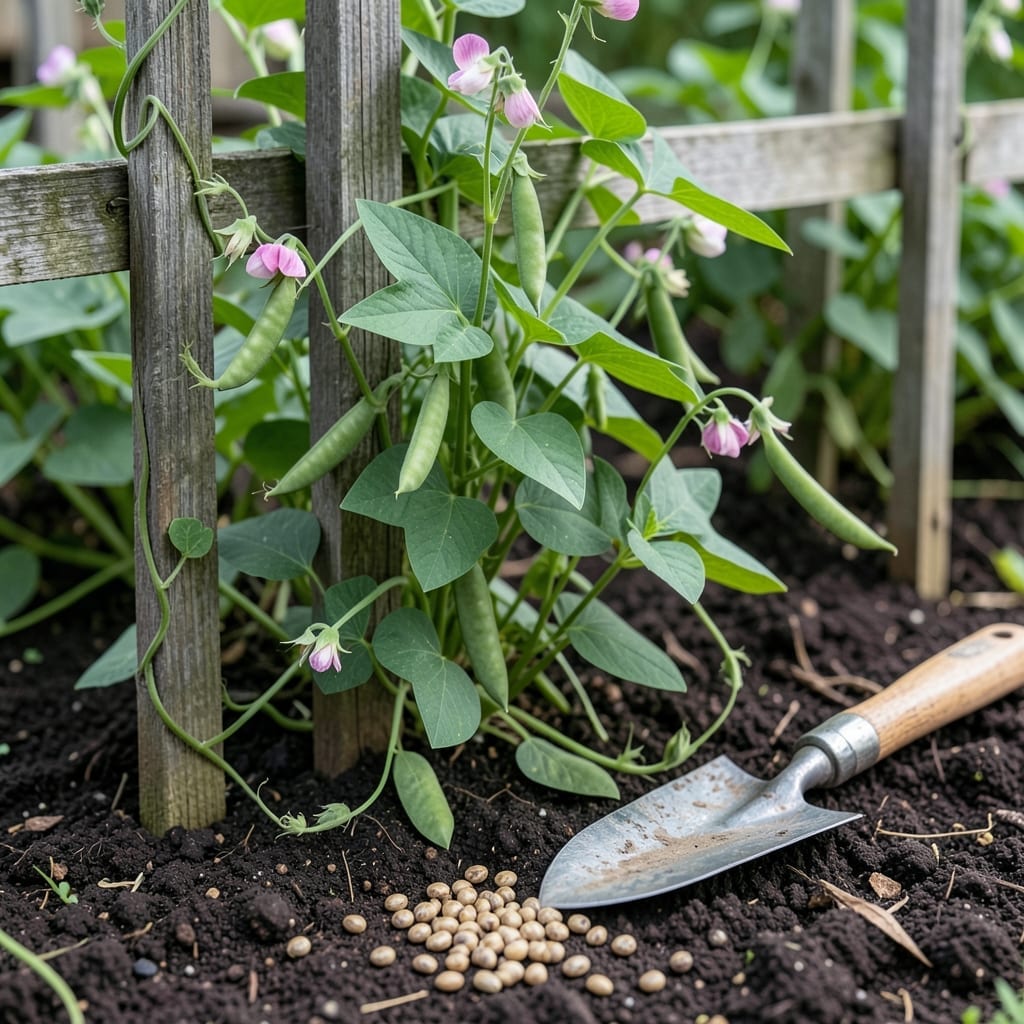
Getting the seeding rate right for Austrian Winter Peas 🌱 can transform your garden from struggling to thriving. This hardy legume is a soil-improving powerhouse, but its success hinges on precise planting.
Whether you’re growing for cover, forage, or green manure, the right rate ensures dense, healthy growth. I’ve seen firsthand how small adjustments in seeding can make a world of difference.
Let me walk you through the key factors that determine the perfect amount for your needs and conditions. You’ll be amazed at the results.
The seeding rate for Austrian Winter Peas varies based on your purpose. Whether you’re planting for cover crop, forage, or green manure, the right rate ensures optimal growth and soil benefits. 🌱
Factors like soil type, climate, and planting method also play a role. I’ve found that broadcast seeding often requires a higher rate than drill planting for even coverage.
| Purpose | Seeding Rate (lbs/acre) | Notes |
|---|---|---|
| Cover Crop | 60-80 | Ideal for nitrogen fixation |
| Forage | 80-100 | Higher rate for dense growth |
| Green Manure | 70-90 | Balances soil enrichment and growth |
| Erosion Control | 90-120 | Extra density for soil stability |
For small gardens, I recommend 1-2 lbs per 1,000 sq ft. This ensures good coverage without overcrowding. Always check your soil’s drainage before planting.
In clay soils, you might need to increase the rate by 10-15% for better establishment. Sandy soils, on the other hand, may require lighter rates to avoid waste.
Broadcast seeding is great for large areas, but it often needs 20% more seed than drill planting. I’ve seen this method work well in open fields with minimal equipment. 🌿
For cold climates, planting 6-8 weeks before frost gives the peas time to establish. In milder regions, you can plant a bit later, but don’t delay too long.
Seed depth matters too. Aim for 1-2 inches deep for best results. Any deeper, and the seedlings may struggle to emerge. I always double-check my planting depth for consistency.
If you’re mixing Austrian Winter Peas with other cover crops, reduce the rate by 30-40% to avoid competition. This works well with rye or oats for a balanced blend. ☀️
Finally, moisture is key after planting. Ensure the soil stays damp for the first 7-10 days to support germination. I’ve had the best luck with morning watering to prevent evaporation.
Calculating the correct seeding rate starts with measuring your planting area. For small gardens, I use 1-2 lbs per 1,000 sq ft, while larger fields may need 60-120 lbs per acre depending on purpose.
Preparing the soil properly is just as important as the rate itself. I always loosen the top 4-6 inches and remove debris for better seed-to-soil contact. This step prevents poor germination and wasted seed. 🌱
For broadcast seeding, I recommend increasing the rate by 20% to account for uneven distribution. Use a seed spreader for consistency, and lightly rake the area to cover seeds with soil.
Drill planting offers more precision with lower seed rates. Space rows 6-12 inches apart for optimal growth. I’ve found this method works best for smaller plots where control matters most.
Timing is crucial for winter establishment. In cold climates, plant 6-8 weeks before frost. For milder zones, you can plant up to 4 weeks before frost and still get good results.
Seed depth should never exceed 2 inches. Any deeper, and the seedlings may struggle to break through. I always use a measuring stick to check depth as I plant. 🌿
After planting, water immediately to settle the soil. Keep the area consistently moist for the first 7-10 days. I’ve had the best success with morning watering to reduce evaporation. ☀️