
Beautiful Plants For Your Interior
Beautiful Plants For Your Interior
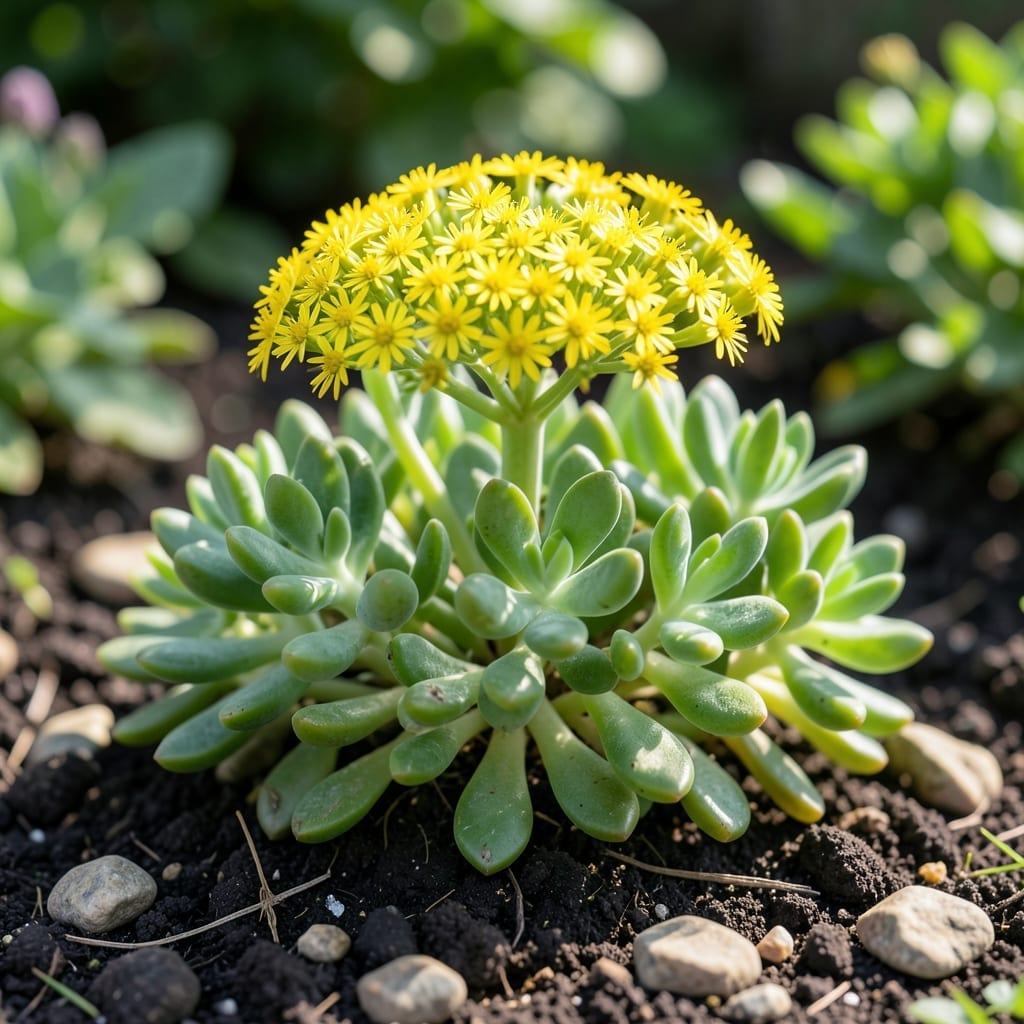
This ground cover changed how I design sunny borders. Sedum ‘Yellow Bouquet’ spreads fast, needs almost no water, and lights up the garden with golden blooms when most plants wilt in summer heat.
I planted my first patch in full sun with rocky soil—exactly the spot where other plants gave up. Within a season, it formed a dense mat that stayed green through drought and exploded with bright yellow flowers in late summer.
You get year-round interest: fleshy foliage in winter, fresh growth in spring, and those stunning blooms that last for 6-8 weeks. Bees and butterflies can’t resist it either.
Perfect for slopes, rock gardens, or anywhere you want low-maintenance color that thrives on neglect. Here’s how to grow it right.
When your Sedum develops a yellow bouquet of foliage or blooms, it’s often a sign of stress or imbalance. Understanding the root causes helps you restore its vibrant green and golden hues. Below are the most common triggers, explained with actionable insights.
Sedum thrives in dry conditions, and its roots are prone to rot in soggy soil. Overwatering or heavy, clay-rich soil prevents oxygen from reaching the roots, leading to yellowing leaves and stems. Fix it: Ensure pots have drainage holes and amend garden beds with sand or perlite to improve drainage.
While Sedum loves sunlight, intense afternoon rays—especially in hot climates—can scorch its leaves, turning them yellow or brown. This is common in varieties with delicate foliage. Fix it: Provide light shade during peak heat or relocate pots to a spot with morning sun and afternoon protection.
A lack of essential nutrients, particularly nitrogen or magnesium, can cause chlorosis (yellowing). Nitrogen deficiency often starts in older leaves, while magnesium shortages create interveinal yellowing. Fix it: Use a balanced, slow-release fertilizer or supplement with Epsom salts for magnesium.
Sap-sucking pests like aphids, mealybugs, or spider mites drain the plant’s resources, leading to yellow, stunted growth. Inspect the undersides of leaves for tiny intruders or webbing. Fix it: Spray with neem oil or insecticidal soap, and isolate heavily infested plants.
Even the hardy Sedum can run into trouble, but most problems are easy to tackle with the right approach. Below are practical fixes for common issues, along with tips to keep your golden blooms thriving.
If your Sedum leaves are turning yellow, poor drainage is often the culprit. These plants hate wet feet! Fix it: Move the plant to well-draining soil or add perlite/sand to the existing mix. If in a pot, ensure it has drainage holes. Prevent it: Use a cactus or succulent soil blend from the start, and avoid overwatering.
Stretched, sparse stems mean your Sedum isn’t getting enough light. Fix it: Relocate it to a sunnier spot (6+ hours of direct light daily). For indoor plants, place them near a south-facing window or use a grow light. Prevent it: Rotate potted Sedum weekly for even growth.
Aphids or mealybugs? Wipe them off with a cotton swab dipped in rubbing alcohol, or spray with a mix of water and mild soap. Prevent it: Keep the area clean, avoid over-fertilizing, and inspect new plants before introducing them to your garden.
Wilting or mushy stems? You’re likely overwatering. Fix it: Let the soil dry completely between waterings. Stick your finger an inch into the soil—if it’s dry, it’s time to water. Prevent it: Use a moisture meter or set a reminder to check soil dryness.
With these simple steps, your Sedum will bounce back and reward you with vibrant, golden blooms! 🌼
It thrives in full sun (6+ hours daily) but tolerates light shade in hot climates. Too little sun causes leggy growth.
Water only when soil is completely dry—about every 2-3 weeks in most climates. Overwatering causes root rot.
Use well-draining soil like a cactus/succulent mix. Amend garden beds with sand or perlite to prevent soggy roots.
Expect golden-yellow flowers in late summer to fall. The blooms last 6-8 weeks and attract pollinators.