
Beautiful Plants For Your Interior
Beautiful Plants For Your Interior
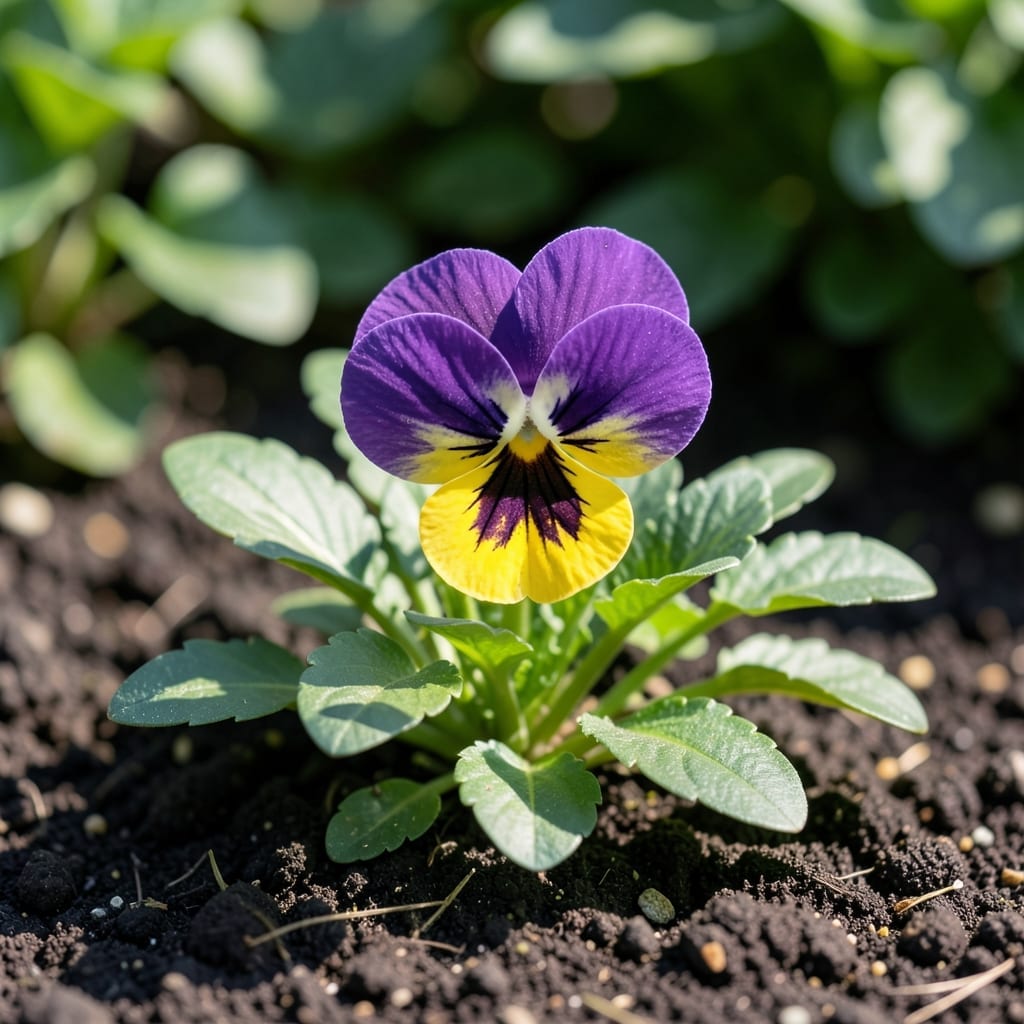
Pansies are the garden’s cheerful overachievers, blooming when most flowers take a break. I love how these 🌸 Pansy beauties bring color to dreary days with minimal effort from me.
What makes them special is their ability to thrive in cooler temperatures when other plants struggle. This means you can enjoy their vibrant blooms during seasons when your garden might otherwise look bare.
I’ve discovered that timing is everything with these flowers. Plant them at the right moment, and they’ll reward you with months of stunning color that keeps on giving.
Discover how to maximize their growing potential and keep your garden looking its best, no matter the season. Let’s dig into the details together.
I’ve found that pansies thrive in cool weather, making them perfect for spring and fall planting. They handle light frosts surprisingly well, often blooming when temperatures dip to 25°F (-4°C). This resilience lets them brighten gardens when other flowers wilt.
For most gardeners, the ideal planting windows are early spring or early fall. In warmer climates, you can even grow them through mild winters, while cooler zones may see them as annuals that return yearly from self-seeding.
| Climate Zone | Best Planting Time | Bloom Duration |
|---|---|---|
| Cool (USDA 4-6) | March-April, Aug-Sept | Spring to early summer, fall |
| Moderate (USDA 7-8) | Feb-March, Sept-Oct | Winter to spring, fall |
| Warm (USDA 9-11) | Oct-Nov, Jan-Feb | Winter to early spring |
In USDA zones 4-6, I recommend planting 4-6 weeks before the last frost date for spring blooms. This timing gives roots time to establish before the heat arrives. Pansies planted in early fall often survive winter and bloom again in spring.
Gardeners in warmer zones (7-11) have more flexibility. Here, pansies act as winter annuals, thriving in the cool season when temperatures stay between 40-60°F (4-15°C). They’ll wilt once summer heat exceeds 75°F (24°C).
For extended blooms, I’ve had success planting in partial shade during warmer months. This protects the delicate petals from scorching while keeping soil moist. Morning sun with afternoon shade works best in my experience.
In container gardens, pansies offer versatility. I use them in window boxes and hanging baskets for portable color. They pair beautifully with spring bulbs like tulips or fall mums for layered seasonal interest.
Remember that soil temperature matters as much as air temperature. Pansies prefer cool, well-draining soil around 50-60°F (10-15°C). I always amend heavy clay with compost to improve drainage before planting.
One pro tip I swear by: water at the base to keep petals dry and prevent disease. Pansies need consistent moisture but hate soggy roots. A drip irrigation system works wonders for maintaining this balance.
Finally, don’t overlook succession planting. By planting new pansies every 2-3 weeks during their season, you can enjoy continuous blooms for months. This works especially well in mild climates where they grow as perennials.
With proper timing and care, these colorful cool-weather champions will reward you with months of vibrant blooms when most gardens look dull. ☀️
I’ve learned that with the right care, you can stretch your pansy season far beyond their typical bloom window. These cool-weather lovers respond beautifully to consistent attention and protection from extremes.
The key is regular deadheading to prevent seed formation, which encourages the plant to produce more flowers instead. I make it a habit to check my pansies weekly for spent blooms.
🌸 Top Tips to Extend Pansy Season:
I’ve found that morning watering works best, allowing foliage to dry before evening. Pansies need about 1 inch of water weekly, but always check soil moisture first—overwatering leads to root rot.
A balanced fertilizer applied every month during active growth keeps them vigorous. I prefer organic options like fish emulsion or seaweed extract for gentle, consistent feeding without burning delicate roots.
When temperatures climb above 75°F (24°C), pansies struggle. I combat this by moving potted pansies to shadier spots or using shade cloth for in-ground plantings. This simple step can add weeks to their bloom time.
In my experience, mulching makes a huge difference. A 2-inch layer of organic mulch keeps roots cool and conserves moisture. Straw or shredded leaves work well and break down to enrich the soil over time.
With these straightforward techniques, I regularly enjoy pansies blooming 2-3 months longer than untended plants. ✂️