
Beautiful Plants For Your Interior
Beautiful Plants For Your Interior
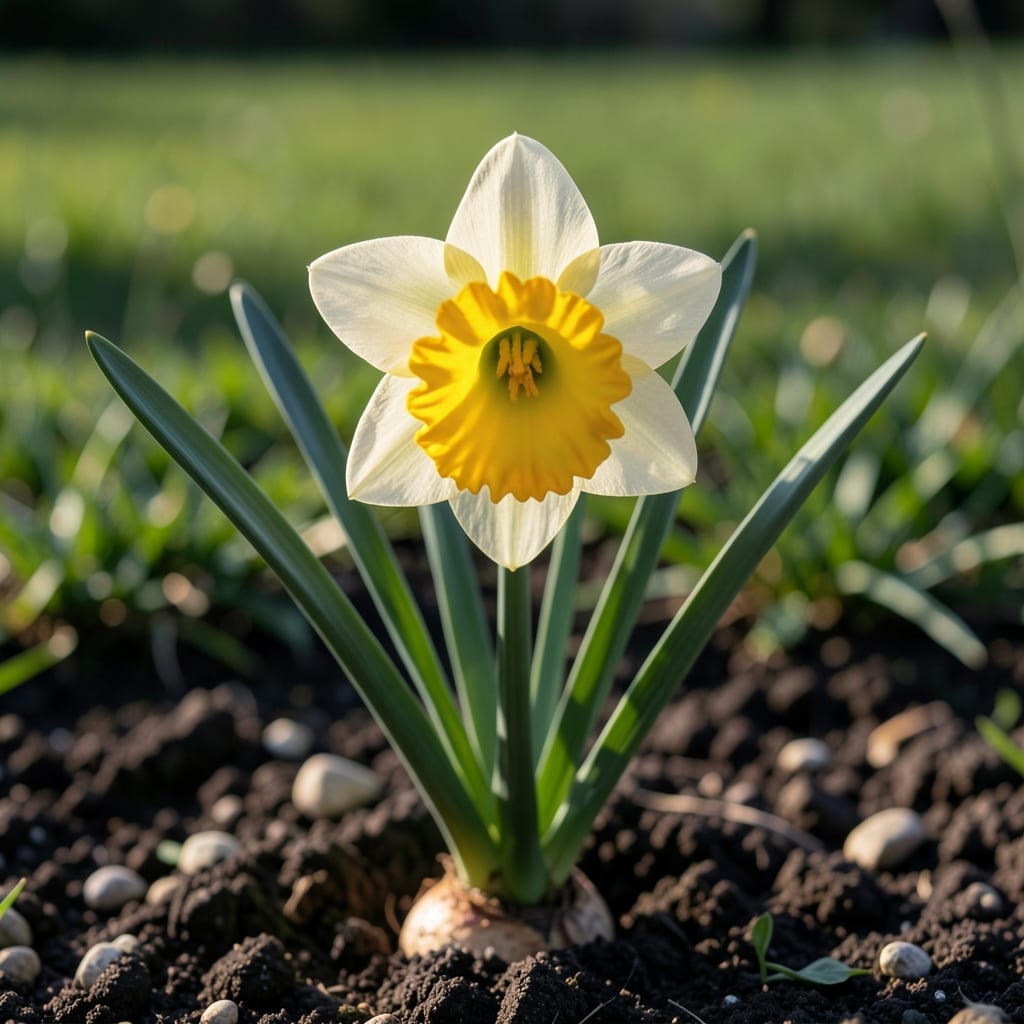
Nothing beats the joy of seeing golden 🌷 Daffodils herald spring’s arrival. But here’s the thing – their spectacular show starts long before spring, with timing being the secret ingredient.
I’ve learned through years of gardening that planting these cheerful perennials at the right time makes all the difference. It’s not just about when the ground is workable, but when it’s most beneficial for the bulbs.
Whether you’re in USDA zones 4-8 or just starting your gardening journey, understanding the Daffodil’s rhythm is key. These hardy flowers have a particular schedule they like to keep.
Discover how to sync your planting with nature’s clock. The result? A breathtaking display that’ll have your neighbors asking for your secret.
The ideal planting window for daffodils is in early fall, typically from September to November. This timing allows bulbs to establish roots before winter dormancy sets in.
I always aim to get my bulbs in the ground 2-4 weeks before the first hard frost. In USDA zones 4-8, this usually means planting by mid-November at the latest.
| Planting Factor | Recommendation |
|---|---|
| Best Months | September-November |
| Depth | 6 inches deep |
| Spacing | 4-6 inches apart |
| Soil Type | Well-draining loam |
| Sunlight | Full sun to partial shade |
The soil temperature should be below 60°F when planting. This cooler temperature helps prevent premature sprouting while encouraging root development.
In warmer climates like zone 8, I’ve found that planting in late October or November works best. The bulbs need this chilling period to produce spring blooms.
For container planting, the same timing applies. Just ensure your pots have drainage holes and use a quality potting mix amended with some sand or grit.
The depth rule is simple: plant bulbs 2-3 times deeper than the bulb is tall. For standard daffodil bulbs, that means about 6 inches deep with the pointy end up.
After planting, I always water thoroughly to settle the soil and encourage root growth. A 2-3 inch layer of mulch helps insulate the soil and retain moisture.
Remember that daffodils naturalize beautifully. Each year, your display will grow more impressive as the bulbs multiply. Just let the foliage die back naturally after blooming.
In my experience, the earlier you plant in fall, the better. Bulbs planted in September often produce more robust blooms than those planted in November.
This timing gives them maximum time to establish strong root systems before winter arrives ☀️
I often get asked if it’s too late to plant daffodils. The good news is that fall planting can extend into early winter in milder climates. The key is getting bulbs in the ground 4-6 weeks before the first hard frost.
In USDA zones 7-8, you might successfully plant daffodils as late as December. But remember, the later you plant, the less time bulbs have to establish root systems before winter.
⚠️ Late Planting Warning
Late-planted daffodils may bloom later or produce fewer flowers the first year. In zone 4-5, avoid planting after November 1st for best results.
If you’ve missed the ideal window, don’t despair. I’ve had success with emergency planting by preparing the soil in advance and using mulch to insulate the bulbs from sudden cold snaps.
For container planting, you can actually plant daffodils even later, as pots can be moved to sheltered locations during extreme cold. Just ensure they get 6+ hours of sunlight daily.
Remember that late-planted bulbs need extra watering initially to help roots establish. I recommend 1 inch of water per week until the ground freezes, then let nature take over.
While you might get fewer blooms the first spring, daffodils are forgiving. With proper care, they’ll often bounce back the following year with their full glory. 🌷