
Beautiful Plants For Your Interior
Beautiful Plants For Your Interior
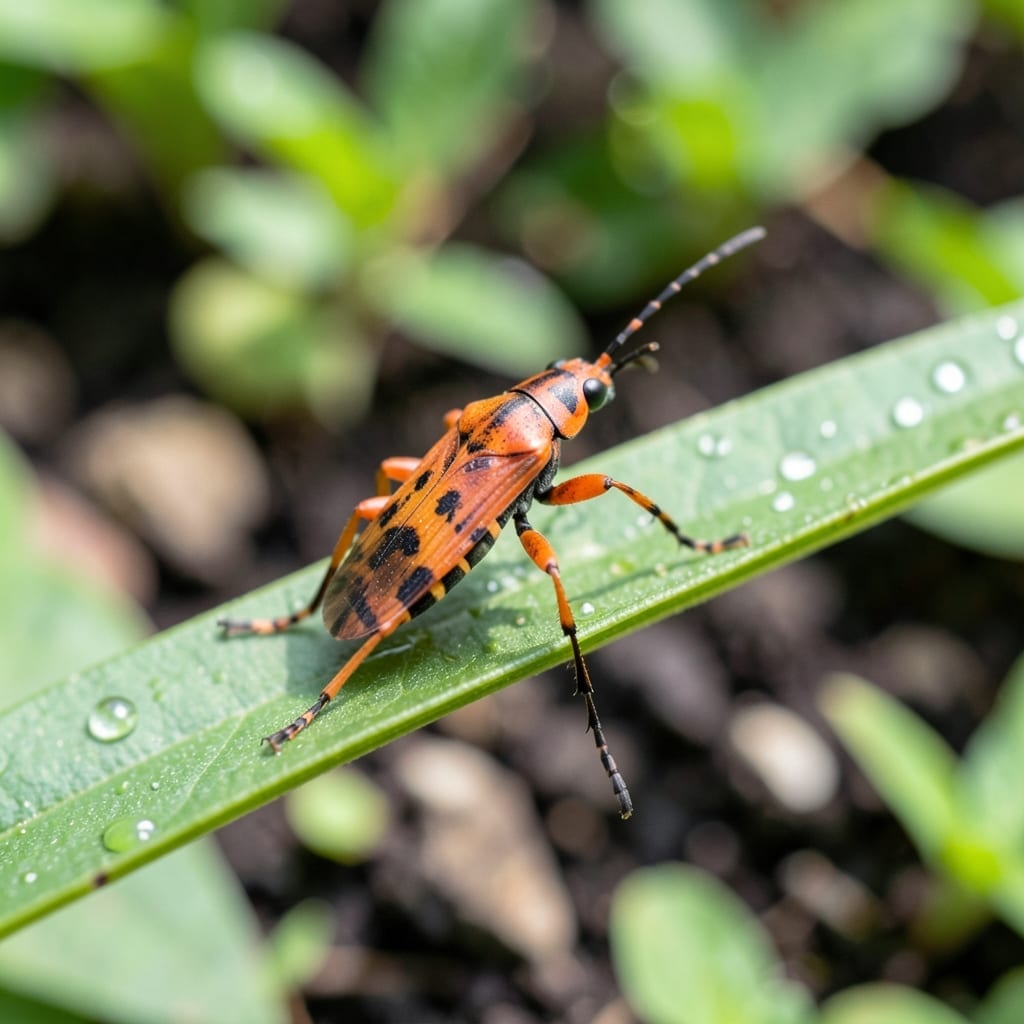
Bright red bugs on your milkweed aren’t ladybugs. 🌿 I first spotted these tiny scarlet invaders last summer, mistaking them for beneficial insects until my plants started wilting.
They target milkweed, butterfly weed, and other pollinator favorites, sucking sap and leaving behind stunted growth. The damage looks like yellowing leaves and curled stems, often with sticky residue from their feeding.
Here’s the thing—these pests multiply fast but respond well to early action. A strong spray of water can dislodge nymphs, while neem oil handles heavier infestations without harming bees.
Prevention starts with regular plant checks and removing egg masses in fall. Your garden stays healthy, and the butterflies keep coming back.
The scarlet plant bug thrives when conditions align with its biological needs. Understanding these triggers helps prevent outbreaks before they start.
Dense plant canopies create the perfect microclimate: high humidity and reduced airflow. These bugs prefer sheltered environments where they can feed undisturbed on sap. Regular pruning disrupts their habitat, making gardens less inviting.
Large clusters of a single plant species (e.g., milkweed or hibiscus) provide an all-you-can-eat buffet for scarlet plant bugs. Without biodiversity, natural predators struggle to establish balance. Interplanting with repellent species like marigolds or garlic can deter them.
Overwatering or poor drainage leads to soft, succulent growth—ideal for piercing mouthparts. These bugs are drawn to stressed plants with high sap pressure. Adjust irrigation to keep foliage dry and resilient.
Native to tropical and subtropical regions, scarlet plant bugs proliferate in temperatures between 75–90°F (24–32°C). In cooler areas, they may emerge in late summer. Row covers or shade cloth can limit their activity during peak seasons.
Dealing with these vibrant pests doesn’t have to be a headache. Below are practical, step-by-step solutions to tackle each common cause, along with tips to keep your garden thriving.
If you spot a few red bugs on your plants, act fast. Use a pair of tweezers or gloved hands to gently pluck them off leaves and stems. Drop them into a bucket of soapy water to ensure they don’t return. Pro tip: Check under leaves—they love to hide there!
Prevention: Inspect plants weekly, especially during warm months when these bugs are most active.
Mix 1 tablespoon of mild liquid soap (like Castile soap) with 1 quart of water in a spray bottle. Lightly mist affected plants, focusing on clusters of bugs. The soap disrupts their protective coating, causing them to dehydrate. ✨ Reapply every 2-3 days until the problem is gone.
Prevention: Avoid over-fertilizing, as lush growth can attract more pests.
Encourage beneficial insects like ladybugs, lacewings, or parasitic wasps to your garden. These predators feed on plant bugs and their eggs. Plant dill, fennel, or marigolds nearby to attract them. 💡 Tip: Avoid broad-spectrum pesticides—they can harm these helpful allies!
Prevention: Maintain a diverse garden to create a balanced ecosystem.
Dilute 1 tablespoon of neem oil with 1 gallon of water and a few drops of dish soap (as an emulsifier). Spray evenly on plants, especially the undersides of leaves. Neem oil disrupts the bugs’ life cycle and repels new ones. 🌡️ Best used in the early morning or late evening to avoid leaf burn.
Prevention: Apply neem oil monthly as a preventive measure during growing seasons.
Milkweed, butterfly weed, and hibiscus are top targets. These pests also attack other pollinator favorites like swamp milkweed and tropical varieties.
Unlike ladybugs, they have elongated red bodies with black markings and lack spots. They move quickly when disturbed and cluster on new growth.
No, they don’t directly attack butterflies or caterpillars. However, heavy infestations can weaken host plants that monarchs rely on, so early removal helps both.
Inspect plants weekly during warm months, especially the undersides of leaves. Catching them early prevents rapid population growth.