
Beautiful Plants For Your Interior
Beautiful Plants For Your Interior
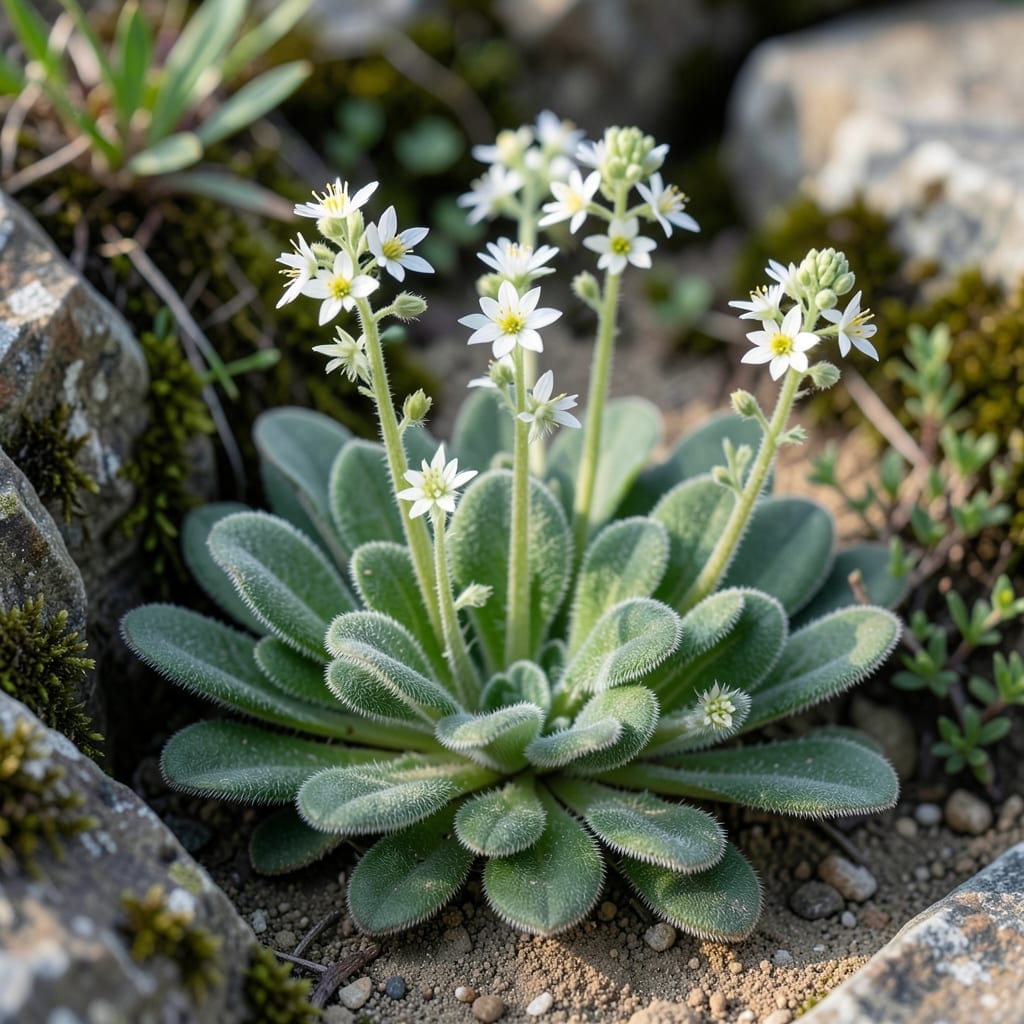
There’s something magical about watching Saxifraga 🌸 burst into bloom, transforming a simple garden into a vibrant display. But timing is everything when you want to catch that perfect moment.
As a gardener, I’ve learned that understanding the bloom cycle can make all the difference. It’s not just about planting and waiting—it’s about knowing when to expect those delicate flowers to appear.
Whether you’re a seasoned pro or just starting out, getting the timing right ensures you won’t miss the show. And trust me, it’s worth the effort to see these beauties in full color.
Let’s discover how to align your care with Saxifraga’s natural rhythm for a garden that thrives all season long.
If you’re planning a rock garden or alpine landscape, timing is everything. Saxifraga species offer a staggered bloom schedule, ensuring color from early spring to late summer. I’ve found that understanding each variety’s natural rhythm helps me create a continuous floral display. ☀️
Early bloomers like Saxifraga umbrosa start the show in March to April, while mid-season varieties such as Saxifraga paniculata peak in May to June. For late color, Saxifraga cotyledon can bloom into July or August in cooler climates. 🌿
| Species | Bloom Time | Key Traits |
|---|---|---|
| Saxifraga umbrosa | March-April | Shade-tolerant, early blooms |
| Saxifraga paniculata | May-June | White flowers, lime-loving |
| Saxifraga cotyledon | June-July | Drought-resistant, red blooms |
| Saxifraga oppositifolia | April-May | Purple flowers, mat-forming |
In my experience, regional climate plays a huge role in saxifraga bloom time. In cooler zones (4-5), blooms may start 2-3 weeks later than in warmer areas (7-8). I always check my USDA zone to adjust expectations. 🪴
Alpine species like Saxifraga androsacea thrive in high-altitude conditions and often bloom later in summer. Meanwhile, woodland varieties such as Saxifraga stolonifera prefer shadier spots and bloom earlier. Matching species to your garden’s microclimate is key.
For extended blooms, I plant a mix of early, mid, and late varieties. This creates a succession of color that keeps my garden vibrant for months. Saxifraga x urbium is a great long-blooming hybrid that bridges gaps between species. ☀️
Don’t forget that soil conditions affect bloom time too. Well-draining, slightly alkaline soil encourages earlier and more abundant flowers. I amend my beds with grit or lime for species that need extra drainage. 🌱
Watering habits also influence flowering. Consistent moisture in spring helps buds form, but overwatering can delay or reduce blooms. I water deeply once a week, letting the soil dry slightly between sessions. ✂️
If you’re in a mild winter climate, some saxifraga species may even produce a second flush of blooms in late fall. I’ve seen this with Saxifraga fortunei in my zone 7 garden. It’s a delightful surprise after the main season!
To maximize your saxifraga bloom time, consider companion planting with other early spring flowers like crocuses or primroses. This creates a layered look while ensuring color throughout the growing season. 🌷
I love watching my Saxifraga plants burst into color, but their natural bloom period can feel too short. With the right care, you can coax longer displays from these alpine beauties throughout the growing season. It’s all about working with their natural rhythms.
The key is understanding their needs: well-draining soil, moderate moisture, and protection from harsh afternoon sun. Even small adjustments can make a big difference in how long your plants stay in flower.
I’ve found that deadheading is the simplest way to prolong blooms. By removing faded flowers, you prevent the plant from putting energy into seed production and redirect it to new growth and additional flowers.
Another trick is strategic planting. Place your Saxifraga where it gets morning sun but is shielded from intense afternoon heat. This mimics their natural alpine habitat and reduces stress that can shorten bloom time.
Soil conditions matter too. Saxifraga thrives in well-draining, slightly alkaline soil. If your garden has heavy clay, consider amending with sand or planting in raised beds to improve drainage.
Finally, don’t overlook companion planting. Pairing Saxifraga with low-growing plants that share similar needs can create a microclimate that extends the blooming season for all. I’ve had great success with Sedum and Thyme as companions. 🌿