
Beautiful Plants For Your Interior
Beautiful Plants For Your Interior
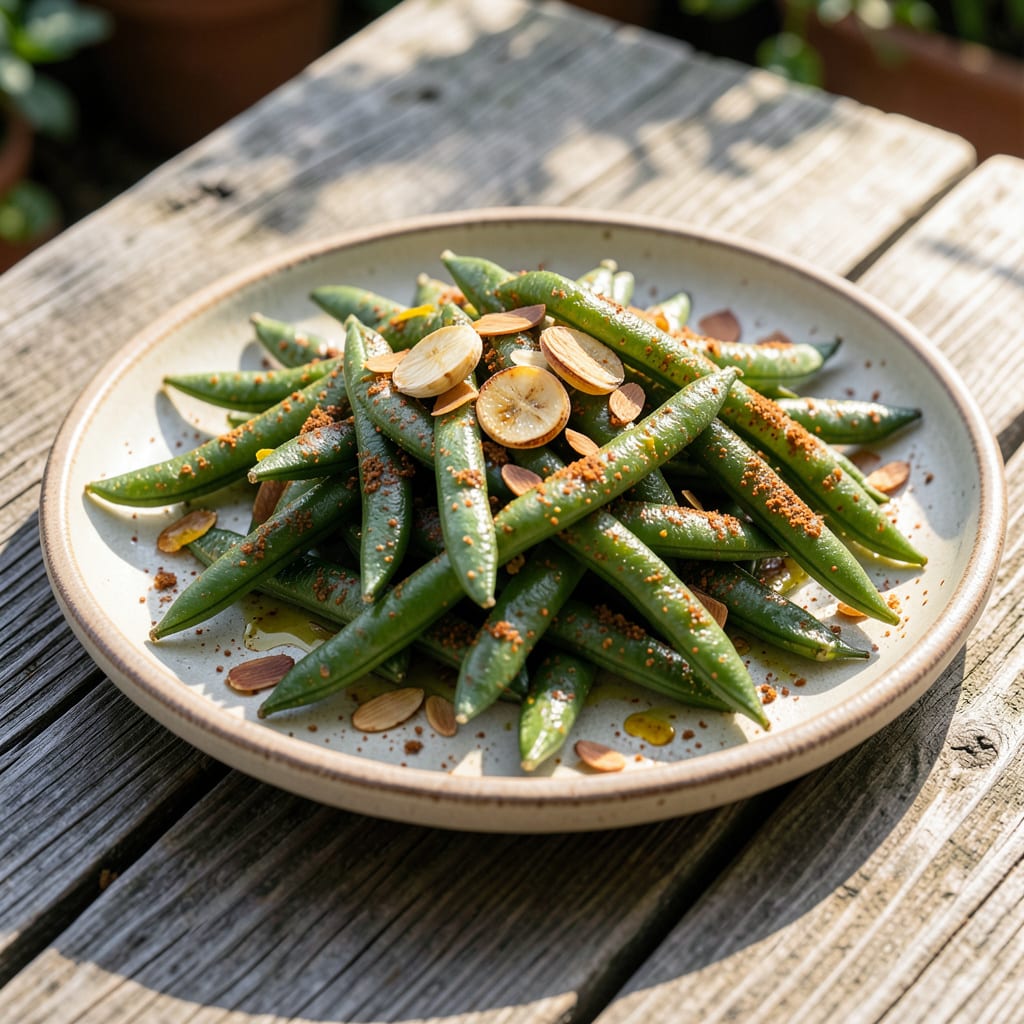
Those orange spots on your green bean leaves aren’t just ugly—they’re trouble. 🌿 I first noticed rust creeping across my bean patch after a particularly wet spring, and by the time I acted, half my harvest was compromised.
The good news? This fungal enemy leaves clear warning signs: yellow halos around rusty blotches on leaves, stunted growth, and premature leaf drop. Catching it early means you can still salvage the season with targeted interventions.
Natural solutions like neem oil, baking soda sprays, and copper fungicides work surprisingly well. The real win comes from prevention—proper spacing, crop rotation, and keeping foliage dry go a long way toward stopping rust before it starts.
You’ll see cleaner plants within 2-3 weeks of treatment, and next year’s crop will be even stronger with these strategies in place.
Understanding why rust appears on green beans starts with recognizing its primary causes. This fungal disease, caused by Uromyces appendiculatus, thrives under specific environmental conditions and cultural practices. Below are the key factors that trigger its development.
Rust spores require free water on leaf surfaces to germinate and infect the plant. Prolonged periods of high humidity (above 85%), frequent rainfall, or overhead irrigation create the perfect breeding ground. Poorly drained soil can also contribute by keeping foliage wet for extended periods, accelerating spore spread.
The fungus is most active in moderate to warm temperatures, ideally between 60–75°F (15–24°C). Green beans grown in regions with these conditions during the growing season are especially vulnerable. Heat can also stress plants, weakening their natural defenses against infection.
When green bean plants are spaced too closely, air circulation is reduced, leading to prolonged leaf wetness. This stagnant environment allows rust spores to settle and multiply. Proper spacing (at least 4–6 inches apart) helps improve airflow and reduce infection risk.
Rust can overwinter in plant debris or on contaminated seeds. If previous crops had rust and their remnants weren’t removed, the fungus can survive and reinfect new plantings. Always use certified disease-free seeds and practice crop rotation to break the disease cycle.
By addressing these triggers, you can significantly lower the likelihood of rust taking hold in your green bean patch.
Rust on green beans can be frustrating, but these practical fixes will help you restore your plants and prevent future outbreaks. Address the issue as soon as you spot those orange-brown spots on leaves or pods.
Rust thrives in damp, stagnant conditions. Prune overcrowded plants to allow air to flow freely between them. Space new plantings at least 4–6 inches apart. If growing in rows, keep rows 18–24 inches apart. This simple step reduces humidity around foliage, making it harder for rust spores to take hold.
Avoid overhead watering, which wets the leaves and promotes spore germination. Instead, water at the base of the plant early in the day so foliage dries quickly. Drip irrigation or soaker hoses are ideal. If you must use a sprinkler, do so in the morning and never in the evening.
At the first sign of rust, remove and destroy affected leaves, stems, or pods. Do not compost them, as the spores can survive and reinfect your garden. Use clean pruners and disinfect them with rubbing alcohol between cuts to avoid spreading the disease.
For active infections, spray plants with neem oil or a baking soda solution (1 tablespoon baking soda, 1 teaspoon dish soap, 1 gallon of water). Apply every 7–10 days or after rain. These treatments disrupt rust spores without harming beneficial insects. Always spray in the evening to avoid leaf burn.
Prevention tip: 💡 Rotate crops yearly to prevent rust buildup in the soil. Avoid planting beans or related crops (like peas) in the same spot more than once every 3 years.
Look for orange-brown spots on leaves with yellow halos. These pustules often appear on the undersides first. Leaves may also curl or drop prematurely.
Yes, the beans themselves remain safe to eat. Just wash them thoroughly and avoid consuming heavily spotted pods. The fungus doesn’t affect the edible part.
Remove infected leaves immediately and apply neem oil spray every 7-10 days. Improve airflow by pruning dense areas and switching to drip irrigation.
It can if spores overwinter in plant debris. Remove all affected material after harvest and rotate crops to break the cycle.
