
Beautiful Plants For Your Interior
Beautiful Plants For Your Interior
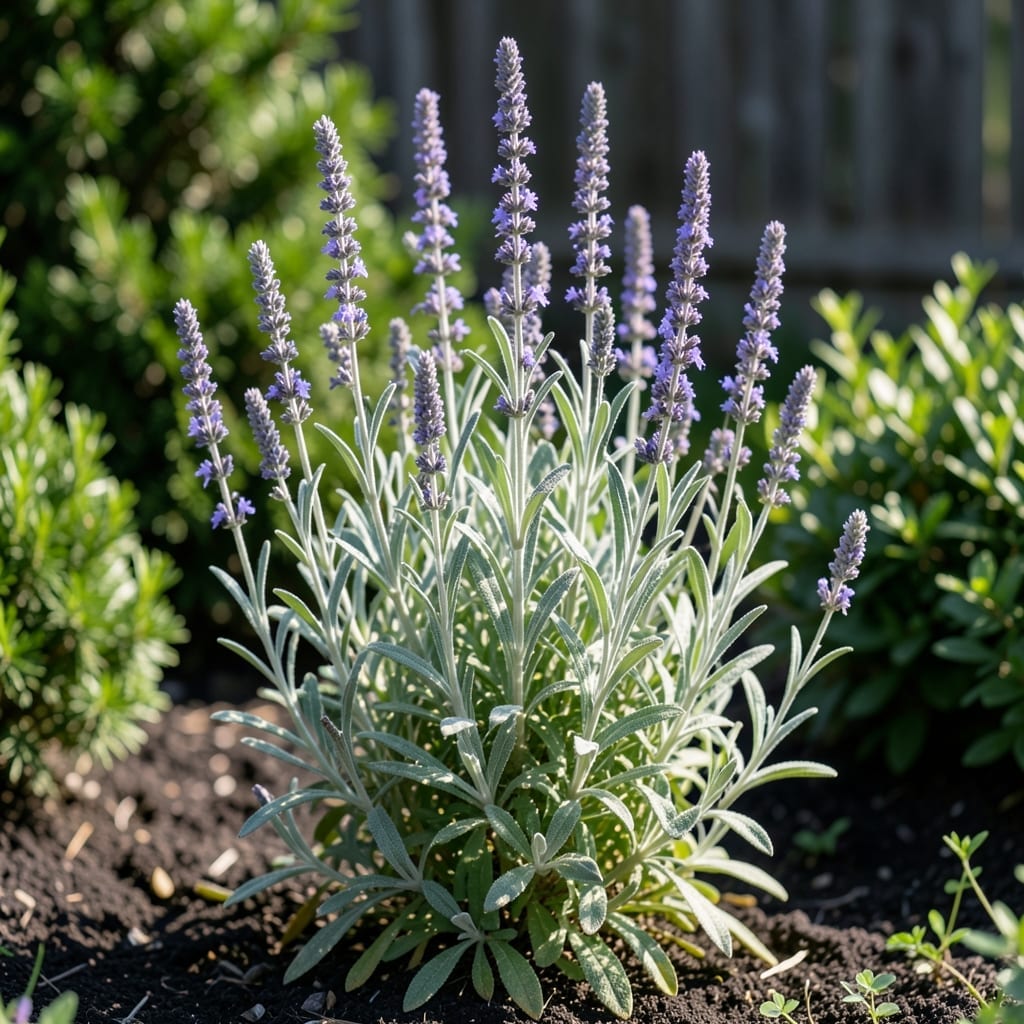
Last summer, my Russian sage looked like a sad green stick. No purple blooms, just disappointment. Turns out, I was making the same mistakes most gardeners do—pruning at the wrong time, planting in shade, or drowning the roots.
Here’s the thing—this plant wants full sun, well-draining soil, and a hands-off approach. Overwatering or heavy clay soil suffocates it, while too much love (or pruning) can delay those stunning lavender spikes.
Fix the basics, and you’ll see buds forming by mid-summer. The transformation from barren to vibrant is shocking. And yes, it’s that simple.
Works for new plantings or old shrubs that have given up. Let’s get those flowers going.
Russian sage (Perovskia atriplicifolia) may refuse to bloom due to several environmental or care-related factors. Understanding these causes can help you correct the issue and encourage vibrant flowers. Below are the most common reasons:
Russian sage thrives in full sun (6+ hours of direct light daily). Shade or dappled light disrupts its flowering cycle by reducing photosynthesis, which fuels bloom production. Even partial shade can delay or prevent flowers. Action: Relocate the plant to a sunnier spot or trim nearby obstructions.
This drought-tolerant perennial hates soggy roots. Excess moisture or compacted soil suffocates the root system, diverting energy from blooming to survival. Yellowing leaves often signal overwatering. Action: Water only when the top 1–2 inches of soil are dry, and amend heavy clay with sand or gravel.
Pruning at the wrong time (e.g., late summer or fall) can remove flower buds that form on new wood. Cutting back too aggressively in spring may also delay blooms. Action: Prune in early spring (March–April) before new growth starts, removing only dead or weak stems.
Too much nitrogen (e.g., from lawn fertilizers) promotes leafy growth at the expense of flowers. Russian sage prefers lean, well-draining soil. Phosphorus, however, supports blooming. Action: Avoid high-nitrogen fertilizers; use a balanced (10-10-10) or phosphorus-rich (5-10-5) formula once in early spring.
Unexpected late frosts can damage emerging flower buds. Similarly, extreme heat (above 90°F) may cause the plant to pause blooming to conserve energy. Action: Protect young plants with frost cloth in spring, and mulch the base to regulate soil temperature.
If your Russian sage isn’t blooming, don’t worry—there’s likely a simple fix! Below are the most common causes and their easy, actionable solutions to bring back those gorgeous purple flowers.
Russian sage thrives in poor soil, so over-fertilizing can lead to leafy growth but no blooms. Stop fertilizing immediately and let the plant adjust. If you must feed it, use a low-nitrogen (5-10-10 or similar) formula sparingly in early spring. Prevention tip: 💡 Skip fertilizer entirely—this drought-tolerant plant often does best without it!
This sun-loving shrub needs at least 6–8 hours of direct sunlight daily. If it’s in shade, relocate it to a sunnier spot or trim nearby plants blocking light. Potted Russian sage? Move the container to a full-sun area. Prevention tip: ✨ Plant it in the sunniest part of your garden from the start.
Pruning too late or too aggressively can remove flower buds. Prune in early spring (just as new growth appears) by cutting back one-third of last year’s growth. Avoid heavy pruning in fall or winter. Prevention tip: 🎯 Use sharp shears and shape lightly to encourage bushier, bloom-heavy growth.
Russian sage is drought-resistant, and soggy roots can stress the plant, reducing blooms. Water only when the top 1–2 inches of soil are dry, then soak deeply. Ensure the soil is well-draining—amend clay soil with sand or gravel. Prevention tip: 🌡️ Use a moisture meter to avoid guesswork.
If your potted Russian sage hasn’t bloomed in years, it may be root-bound. Repot it into a larger container with fresh, well-draining soil, or divide the roots and replant sections in the ground. Prevention tip: 🔄 Repot every 2–3 years to keep roots healthy.
With these fixes, your Russian sage should reward you with vibrant, fragrant blooms in no time!
Russian sage requires 6-8 hours of direct sunlight. Without this, it focuses on foliage instead of flowers. Move it to a sunnier spot if it’s in shade.
Prune in early spring before new growth appears. Avoid cutting back in fall or winter, as this removes potential flower buds.
Yes! This drought-tolerant plant hates soggy roots. Water only when the top 1-2 inches of soil are dry.
Too much nitrogen causes leafy growth but no flowers. Use a low-nitrogen or phosphorus-rich fertilizer sparingly in early spring.