
Beautiful Plants For Your Interior
Beautiful Plants For Your Interior
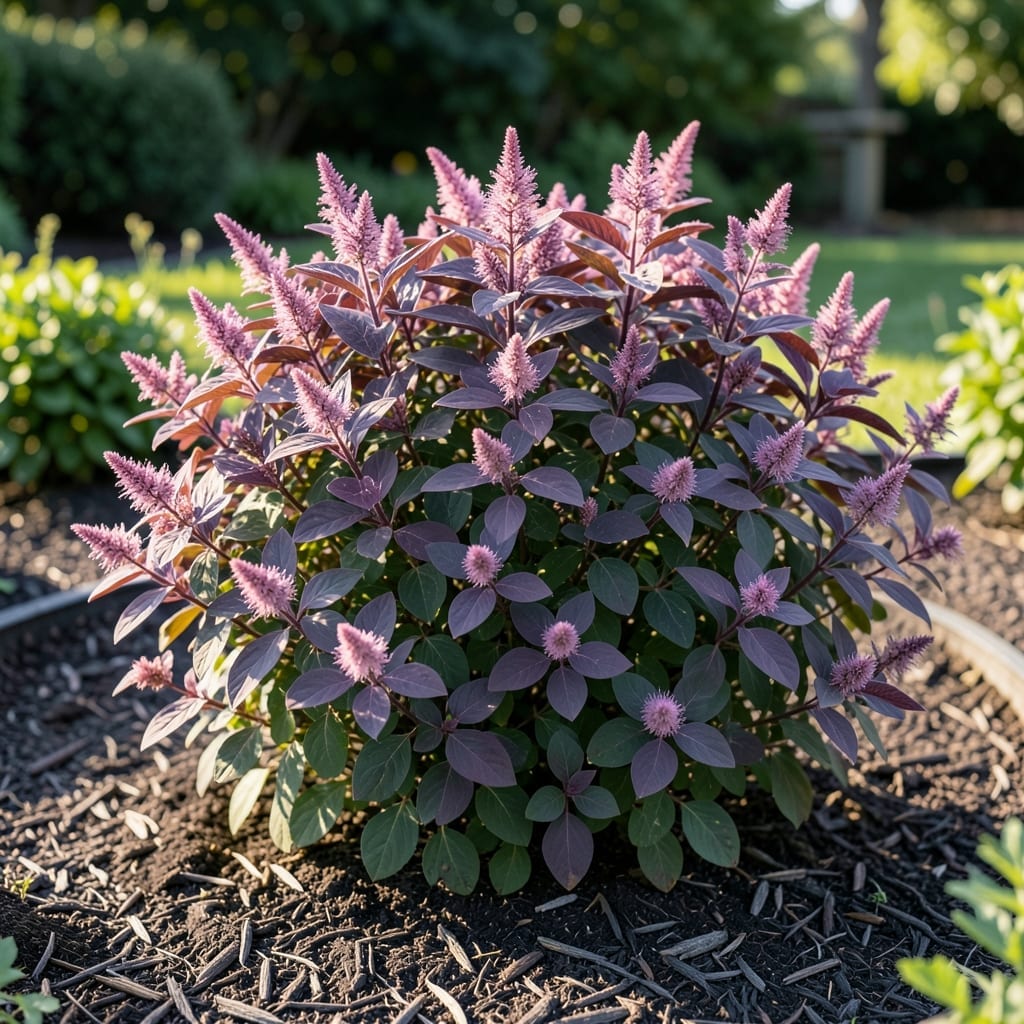
If you’ve ever planted a Royal Purple Smoke Bush 🌿 and wondered how quickly it will transform your garden, you’re not alone. This stunning shrub’s growth rate often catches new gardeners by surprise.
From planting to maturity, its progress is both fascinating and predictable. Knowing what to expect each year helps you design your landscape with confidence.
Discover the year-by-year height progression and learn how to create the ideal conditions for your smoke bush to thrive. Let’s explore what makes this plant so special.


When you plant a Royal Purple Smoke Bush, expect a moderate growth rate that rewards patience. The first year often brings 2-3 feet of vertical growth as the shrub establishes its root system.
By the second year, you’ll notice the growth rate accelerates significantly. With proper care, your smoke bush can reach 4-6 feet tall, showing off its signature deep purple foliage.
| Year | Height Range | Key Development |
|---|---|---|
| Year 1 | 2-3 ft | Root establishment, initial foliage |
| Year 2 | 4-6 ft | Rapid vertical growth begins |
| Year 3 | 8-10 ft | Branching out, fuller appearance |
| Year 4+ | 10-15 ft | Mature size, full smoke effect |
By year three, your Royal Purple Smoke Bush typically reaches 8-10 feet. This is when the plant starts developing its characteristic smoky plumes that give it its name.
After the fourth year, the shrub usually achieves its mature height of 10-15 feet. The growth rate slows as the plant focuses on maintaining its size and producing those beautiful pinkish-purple blooms.
Remember that these are average growth rates. Your smoke bush might grow faster with ideal conditions – think full sun and well-draining soil. In less optimal spots, growth may be slightly slower.
I’ve found that consistent watering during the first two years makes a big difference. A deep watering once a week helps establish a strong root system, which in turn supports faster above-ground growth.
The spread of your smoke bush will also increase over time, typically matching its height. This means you’ll want to give it plenty of space – about 10-15 feet in all directions for a mature plant.
In my experience, spring planting gives the best start. The moderate growth rate of the Royal Purple Smoke Bush means you’ll see noticeable changes each season, making it a rewarding plant to watch develop.
For the most vibrant foliage color, ensure your smoke bush gets at least 6 hours of sunlight daily. This not only enhances the purple hues but also supports steady, healthy growth 🌿
Several key factors influence how quickly your Royal Purple Smoke Bush grows. The most significant is sunlight exposure – these shrubs thrive in full sun, which means at least 6 hours of direct light daily.
Soil quality also plays a crucial role. I’ve noticed that well-draining soil with moderate fertility produces the best growth. Heavy clay or waterlogged soil can stunt development and lead to health issues.
Watering practices are particularly important during the establishment phase. I recommend deep watering once a week rather than frequent shallow watering. This encourages deep root growth, which supports faster above-ground development.
The climate zone matters too. In warmer zones (7-8), you might see slightly faster growth than in cooler areas (4-6). However, the plant is quite adaptable across its range.
Fertilization can give your smoke bush a boost, but don’t overdo it. A balanced fertilizer applied in early spring and mid-summer is usually sufficient. Too much fertilizer can actually slow growth by causing excessive leafy growth at the expense of sturdy stems.
Finally, pruning affects growth speed. While regular pruning helps maintain shape, heavy pruning can temporarily slow growth as the plant recovers. I suggest light pruning in late winter to remove dead wood and shape the shrub 🌿