
Beautiful Plants For Your Interior
Beautiful Plants For Your Interior
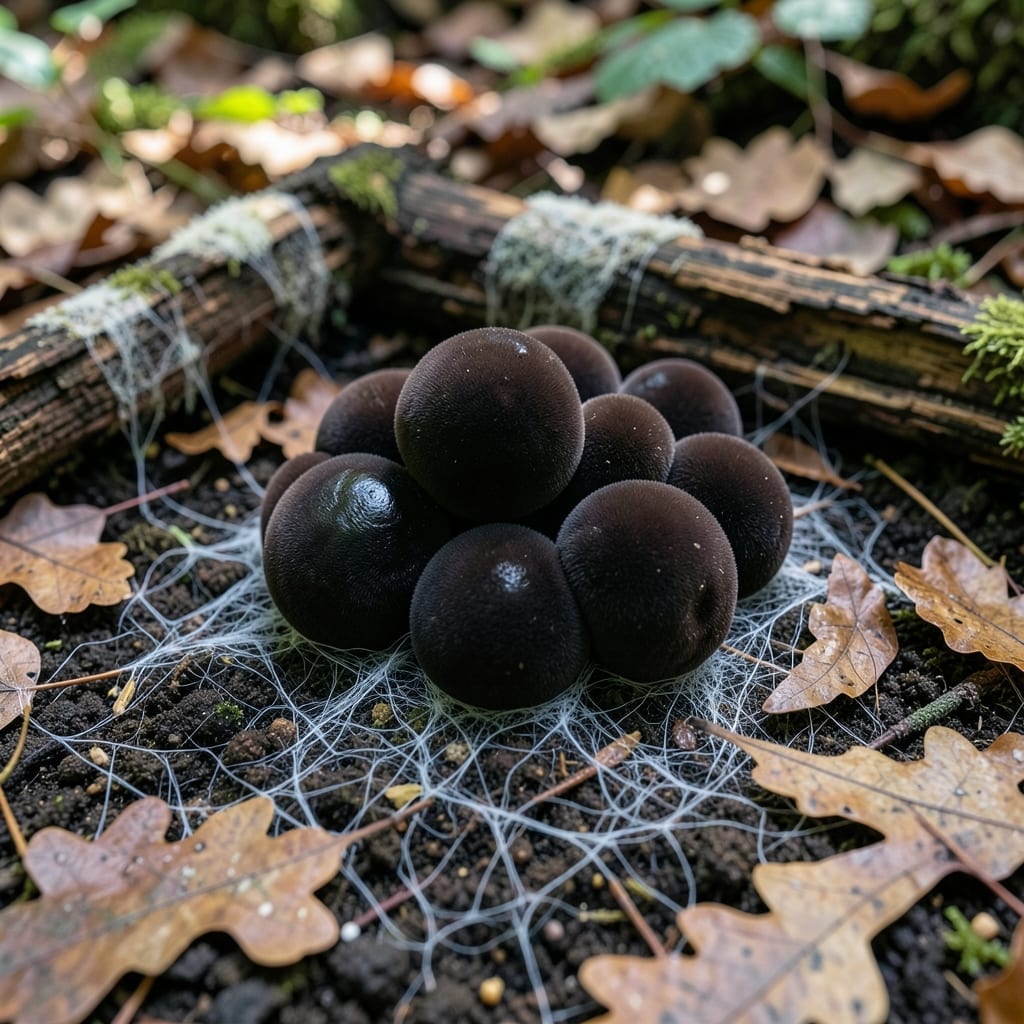
I first noticed them in my mulch—small, brown spheres that looked like tiny marbles. Turns out they were round fungus balls, a common but often misunderstood garden nuisance.
These growths appear in damp, organic-rich areas and can spread quickly if left unchecked. They’re harmless to humans but can signal underlying moisture issues in your garden beds.
With proper identification and organic treatment, you can eliminate them and prevent future outbreaks. The key is improving drainage and adjusting your watering habits.
Most gardeners see results within 2-3 weeks of treatment. Here’s how to tackle them for good.
Round fungus balls, or mycetoma, form due to specific environmental and biological triggers. Understanding these causes helps in prevention and targeted treatment. Below are the primary reasons why these fungal growths develop.
Fungal spores thrive in warm, humid environments with poor airflow. Areas with high moisture levels, such as damp soil, compost piles, or poorly ventilated spaces, create the perfect breeding ground. Organic matter, like decaying leaves or wood, provides nutrients that accelerate fungal growth.
When organic debris (e.g., fallen leaves, grass clippings, or mulch) accumulates, it traps moisture and fosters fungal activity. Round fungus balls often appear in lawns or gardens where decomposition is slow, allowing fungi like Scleroderma or Elaphomyces to form compact, spherical structures.
Excessive watering or inefficient drainage saturates the soil, reducing oxygen levels and promoting anaerobic conditions. This stress on plants and soil microbes weakens natural defenses, enabling fungi to proliferate. Proper irrigation and drainage systems can mitigate this risk.
Soils lacking beneficial microbes or with high acidity/alkalinity are more susceptible to fungal dominance. Imbalanced pH levels disrupt the natural competition between organisms, allowing fungi to outcompete bacteria and other soil inhabitants. Regular soil testing and amendments can restore equilibrium.
Dealing with round fungus balls in your soil or compost can be frustrating, but the good news is that they’re manageable with the right approach. Below are practical solutions tailored to the most common causes, along with prevention tips to keep them from coming back.
Fungus thrives in compacted, airless environments. Fix it by turning your compost pile or soil regularly with a pitchfork or shovel to introduce oxygen. For potted plants, loosen the top layer of soil gently. Prevention tip: 💡 Add coarse materials like straw, wood chips, or perlite to improve aeration long-term.
Overwatering or poor drainage creates a damp haven for fungus. Fix it by reducing watering frequency and ensuring containers have drainage holes. If the problem is in a garden bed, amend the soil with sand or gravel. Prevention tip: 🌡️ Use a moisture meter to monitor soil hydration and water only when the top inch feels dry.
Too much green material (like fresh grass clippings) can lead to fungus growth. Fix it by balancing your compost with brown materials (dry leaves, cardboard, or sawdust) to create a 3:1 brown-to-green ratio. Prevention tip: ✨ Chop larger organic pieces into smaller bits to speed up decomposition and reduce clumping.
Fungus can spread via dirty tools or containers. Fix it by scrubbing tools with a 10% bleach solution or white vinegar, then rinsing and drying thoroughly. Prevention tip: 🎯 Clean your tools after each use and store them in a dry place to avoid reinfection.
By addressing the root cause and adopting these habits, you can eliminate round fungus balls and keep your soil or compost healthy and fungus-free!
No, they typically don’t damage plants directly. However, they indicate excessive moisture or poor soil conditions that may stress nearby vegetation. Addressing the root cause helps protect your garden’s health.
Use a trowel to scoop them out, then dispose of them in the trash—not compost. Wear gloves to avoid skin contact, as some fungi can cause irritation. Clean the area with a vinegar solution afterward.
They may return if moisture and organic debris remain unchecked. Improve drainage, reduce watering, and add coarse mulch to prevent recurrence. Consistency is key to long-term control.
Yes! Turn soil regularly, balance compost materials, and ensure proper airflow. These organic methods disrupt fungal growth naturally while maintaining soil health.