
Beautiful Plants For Your Interior
Beautiful Plants For Your Interior
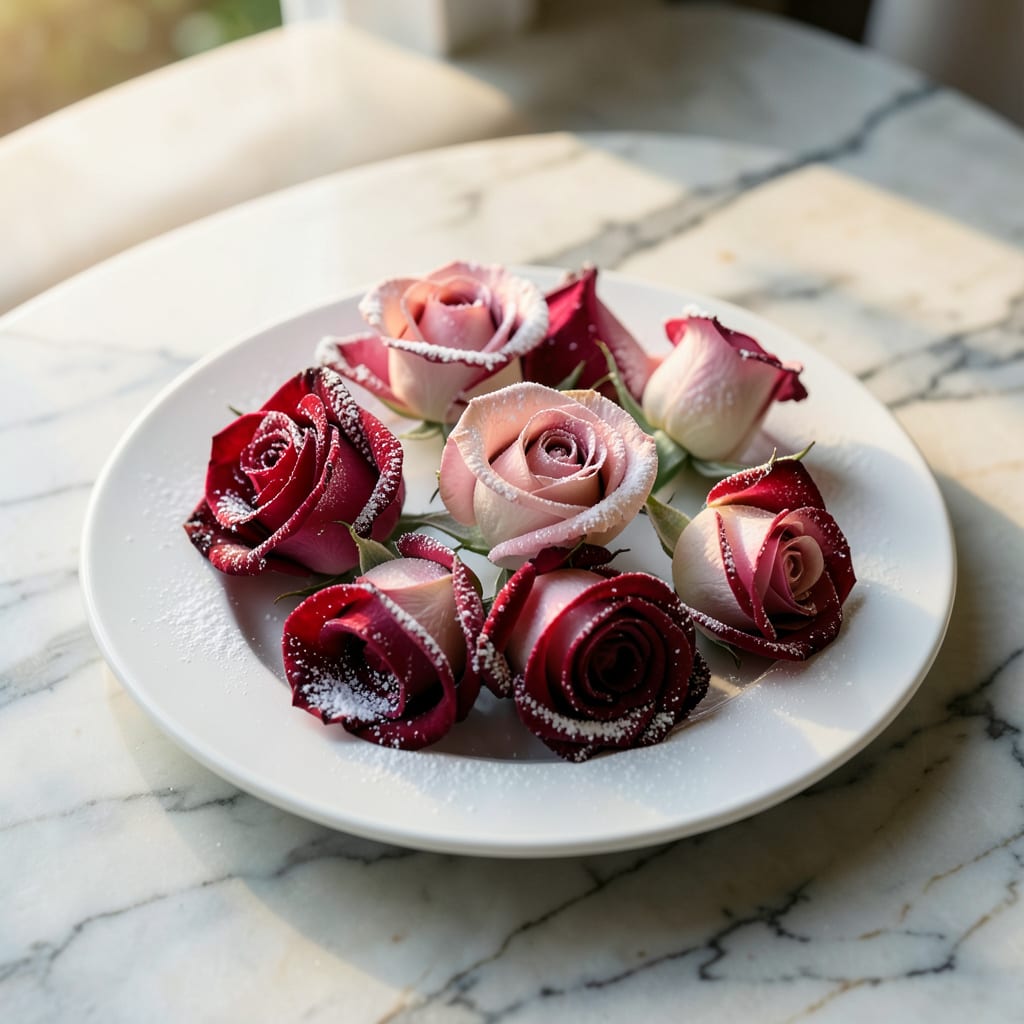
That white dust on your roses isn’t just unsightly—it’s powdery mildew stealing your blooms’ glory. I’ve battled this fungal foe across three gardens, and I’m sharing the exact signs to confirm it’s not just dust or residue.
Left unchecked, it spreads fast, turning leaves yellow and stunting growth. The good news? It’s 100% treatable with the right approach, and you likely already have the supplies in your shed. Early action saves your season.
You’ll learn to spot the difference between mildew and other issues, then stop it in its tracks with simple, effective solutions. No fancy equipment needed—just consistency.
Works for all rose varieties, from climbers to shrubs. Let’s clear up those leaves.
The white powder on roses is almost always powdery mildew, a fungal disease caused by Podosphaera pannosa. This pathogen thrives in specific conditions, and understanding its triggers helps prevent and treat outbreaks. Below are the primary causes:
Powdery mildew spores germinate in humid environments (60-80% relative humidity) but require dry leaf surfaces to establish. Unlike other fungi, it doesn’t need free water—just moisture in the air. Overcrowded plants or poor airflow traps humidity, creating ideal conditions for spores to spread.
Watering roses from above wets the foliage, and if leaves stay damp for extended periods, it encourages fungal growth. Always water at the base early in the day to allow foliage to dry quickly. Evening watering is especially risky, as cooler temperatures and dew prolong moisture retention.
Dense plantings or excessive foliage restrict airflow, which increases humidity around leaves. Prune roses to open up the center and space plants properly (3-4 feet apart for hybrids). This reduces stagnant air pockets where mildew spores can settle and multiply.
Powdery mildew flourishes in temperatures between 60-80°F (15-27°C), especially with warm days and cool nights. These temperature swings create dew, which the fungus exploits. Regions with mild winters and warm springs often see early outbreaks.
Over-fertilizing with high-nitrogen feeds promotes lush, tender growth that’s more susceptible to mildew. Conversely, potassium and silica strengthen cell walls, making roses more resistant. Test soil and adjust fertilizer ratios to prioritize balanced nutrition.
Dealing with white powder on roses? Here’s how to tackle powdery mildew effectively, step by step.
If the white powder is powdery mildew, start by pruning infected leaves and stems with clean, sharp shears. Dispose of the debris in a sealed bag—never compost it, as this can spread spores. Next, apply a baking soda solution (1 teaspoon baking soda, 1 quart water, a few drops of dish soap) to the remaining foliage. Spray thoroughly, focusing on the undersides of leaves. For severe cases, use a fungicide labeled for powdery mildew,
Powdery mildew thrives in stagnant, humid air. Thin out crowded rose canes to allow better airflow between plants. Space roses at least 3–4 feet apart, and avoid overhead watering, which wets the leaves. Water at the base of the plant early in the morning so foliage dries quickly. If your roses are in a shaded, damp spot, consider relocating them to a sunnier area with at least 6 hours of sunlight daily.
Reduce watering frequency if the soil is soggy, and ensure your roses are planted in well-draining soil. Use a mulch like straw or wood chips to prevent soil splash, which can carry spores upward. If humidity is unavoidable (common in greenhouses), run a dehumidifier or use a fan to keep air moving.
Prevention tips: 💡
Yes, powdery mildew spores can spread to nearby plants. Isolate affected roses and remove infected leaves immediately to prevent contamination of other garden plants.
A baking soda solution (1 tsp baking soda, 1 quart water, dish soap) works well as a natural treatment. Apply weekly until the issue resolves.
It can recur if conditions remain favorable. Improve airflow, water at the base, and choose resistant varieties to reduce future outbreaks.
