
Beautiful Plants For Your Interior
Beautiful Plants For Your Interior
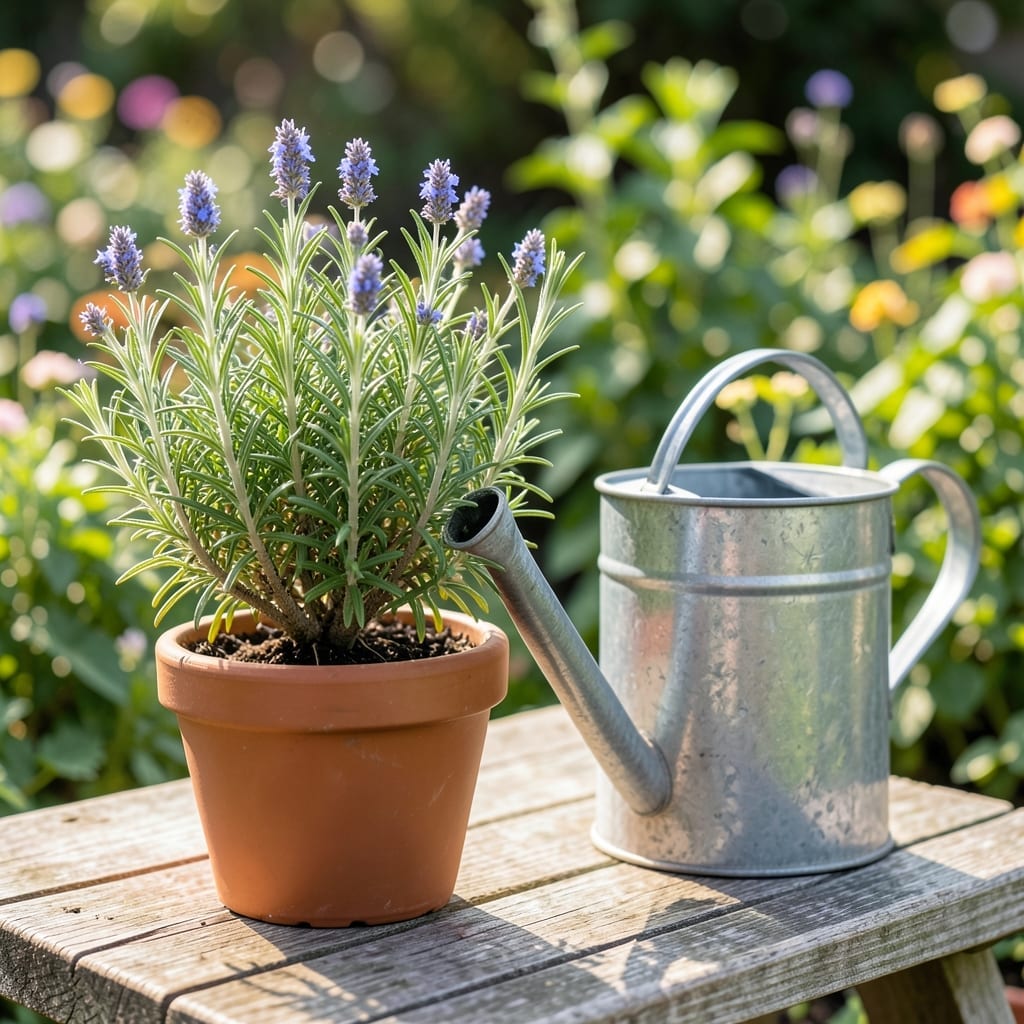
I’ve seen too many gardeners accidentally kill their 🌿 Rosemary with kindness. This Mediterranean native thrives on neglect, not constant attention, especially when it comes to watering.
Getting the balance right is the key to keeping its aromatic leaves lush and healthy. Too much water, and you’ll drown its roots. Too little, and it’ll struggle to flourish.
Whether you’re a beginner or a seasoned gardener, understanding its water needs will save you from common mistakes. I’ll show you exactly how to keep it happy without overcomplicating things.
Discover the simple routine that works for pots, gardens, and every season in between. Your rosemary will thank you with vibrant growth and rich flavor.
I’ve learned that rosemary is a drought-tolerant herb that prefers dry conditions over soggy soil. Its Mediterranean roots mean it’s built to survive with minimal moisture.
For established plants in the ground, I water every 10-14 days, letting the soil dry out completely between sessions. This mimics its natural habitat and keeps the roots healthy.
| Requirement | Specification |
|---|---|
| Water Frequency | Every 10-14 days |
| Potted Rosemary | Every 5-7 days |
| Soil Moisture | Dry between waterings |
| Seasonal Adjustment | Weekly in spring, monthly in winter |
| Water Amount | Deep soak (1000ml) |
In containers, I water more often—every 5-7 days—because pots dry out faster. But I always check the soil first; if it’s damp an inch down, I wait.
During hot summers, I increase frequency slightly but never let the plant sit in water. Well-draining soil is non-negotiable to prevent root rot.
In winter, I scale back to monthly watering since growth slows. Overwatering in cold months is a common mistake that can kill rosemary.
I look for drooping leaves or dry soil as signs it needs water. But if the leaves turn yellow, that’s a red flag for overwatering.
For newly planted rosemary, I water weekly for the first month to help roots establish. After that, I treat it like a mature plant.
I always water in the early morning to reduce evaporation and fungal risks. A drip irrigation system works great for consistency.
Remember, rosemary thrives on neglect. When in doubt, water less—it’s better to underwater than overwater this hardy herb.
🌿I’ve found that rosemary thrives with a deep soak every 1-2 weeks, but climate plays a huge role in adjusting this routine. In hot, dry areas, you might need to water more frequently.
For cooler, humid regions, less is more. This herb prefers well-draining soil and hates soggy roots, so always check moisture levels before watering again.
In pots, rosemary dries out faster, so I check soil moisture daily during summer. A finger test (1-2 inches deep) tells me if it’s time to water.
For ground-planted rosemary, I rely on rain unless there’s a drought. Its drought-tolerant nature means it can handle dry spells better than overwatering.
Avoid evening watering—it invites fungal diseases. I stick to early mornings when the sun can dry the foliage quickly.
In humid climates, I space out watering even more, as the air moisture compensates for the plant’s needs. The key is consistent but minimal attention.
With these techniques, your rosemary will stay lush and aromatic regardless of where you live 🌿