
Beautiful Plants For Your Interior
Beautiful Plants For Your Interior
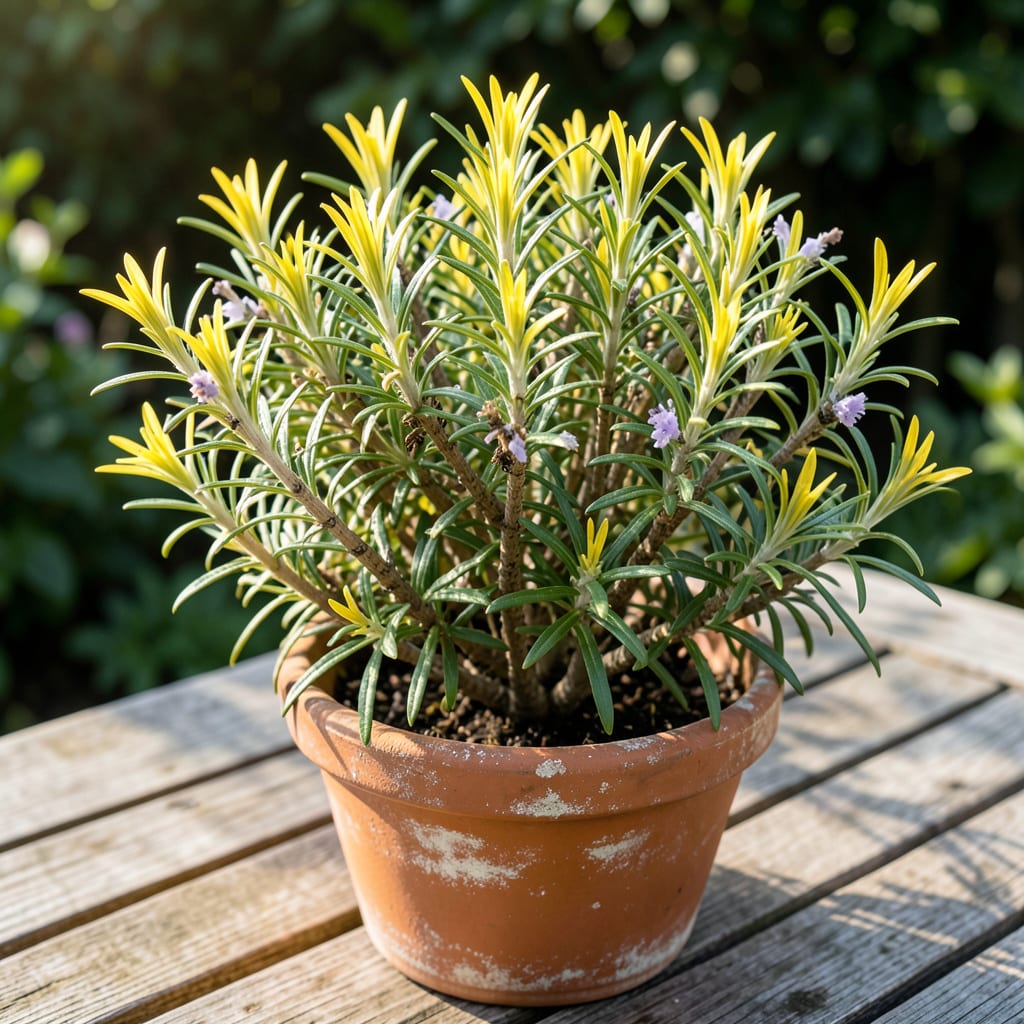
Yellow leaves on rosemary always signal a problem, but it’s usually fixable. I’ve nursed dozens back to health by addressing the root cause quickly.
Most often, it’s overwatering or poor drainage drowning the roots. Sometimes it’s nutrient deficiency or pests, but the plant’s needs are simple: well-draining soil, sunlight, and minimal fuss.
Once you correct the issue, new growth appears within 2-3 weeks. The key is observing the pattern—yellow at the bottom means stress, while yellow at the top often means water issues.
Works for potted plants, garden beds, or indoor rosemary. Here’s how to diagnose and revive yours.
Yellow leaves on a rosemary plant often signal underlying issues that disrupt its health. Here are the most common causes, explained scientifically:
Rosemary is a drought-tolerant Mediterranean plant that thrives in dry conditions. Overwatering suffocates the roots, reducing oxygen uptake and leading to root rot. Fungal pathogens like Phytophthora thrive in soggy soil, damaging root tissues and impairing nutrient absorption. As a result, leaves turn yellow due to chlorosis (chlorophyll breakdown).
A lack of essential nutrients, particularly nitrogen, magnesium, or iron, can cause yellowing. Nitrogen deficiency starts in older leaves, while iron deficiency (common in alkaline soils) affects younger growth first. Rosemary prefers slightly acidic to neutral soil (pH 6.0–7.0); imbalances hinder nutrient uptake, starving the plant.
Too much or too little light can stress rosemary. Excessive shade reduces photosynthesis, leading to pale, yellow leaves. Conversely, intense heat without adequate water causes photooxidative stress, where leaves scorch and discolor. Rosemary needs 6–8 hours of sunlight daily and consistent temperatures (60–75°F).
Sap-sucking pests like spider mites, aphids, or scale insects drain the plant’s fluids, reducing its ability to transport nutrients. Their feeding also introduces toxins, disrupting cellular function. Check the undersides of leaves for webbing, sticky residue (honeydew), or visible pests.
If your rosemary’s leaves are turning yellow, don’t panic—most causes are fixable with simple adjustments. Below are targeted solutions for the most common issues, along with prevention tips to keep your plant thriving.
Fix: Let the soil dry out completely between waterings. If the roots are waterlogged, repot the plant in fresh, well-draining soil (mix in perlite or sand). Ensure the pot has drainage holes to prevent standing water.
Prevention: Water only when the top 1-2 inches of soil feel dry. Use terracotta pots, which wick away excess moisture. 💡 Pro tip: Stick your finger in the soil—if it’s damp, hold off on watering!
Fix: Yellowing often signals a lack of nitrogen or iron. Use a balanced, water-soluble fertilizer (10-10-10) every 4-6 weeks during the growing season. For iron deficiency (yellow leaves with green veins), apply chelated iron or sprinkle used coffee grounds around the base.
Prevention: Refresh the soil annually with compost or organic matter to maintain nutrient levels.
Fix: Move your rosemary to a spot with at least 6-8 hours of direct sunlight daily. If growing indoors, place it near a south-facing window or supplement with a grow light.
Prevention: Rotate the pot occasionally for even light exposure. Outdoors, avoid shady corners.
Fix: Inspect the plant for spider mites, aphids, or scale. Wipe leaves with a damp cloth or spray with neem oil (1 tbsp oil + 1 tsp dish soap per quart of water) every 5-7 days until pests are gone.
Prevention: Keep the area clean and free of debris. Introduce beneficial insects like ladybugs for outdoor plants. ✨ Natural remedy: A garlic or pepper spray can deter pests too!
Fix: Rosemary prefers 60-75°F. If exposed to cold drafts or heat extremes, move it to a stable environment. For frost damage, trim dead foliage and keep the plant indoors until temperatures rise.
Prevention: Acclimate plants gradually to temperature changes. Use mulch to protect roots in winter.
Water only when the top 1-2 inches of soil are dry. Rosemary thrives on neglect and prefers dry conditions over soggy soil. Overwatering is the most common cause of yellowing.
Use a well-draining mix with perlite or sand to avoid waterlogging. Terracotta pots also help wick away excess moisture, keeping roots healthy and preventing chlorosis.
Unfortunately, yellow leaves won’t recover, but new growth will emerge within 2-3 weeks once the underlying problem is corrected. Trim dead foliage to redirect energy to healthy parts.
Yes, pests like spider mites or aphids can cause yellow leaves by draining the plant’s fluids. Check leaf undersides for webbing or sticky residue, and treat with neem oil if needed.
