
Beautiful Plants For Your Interior
Beautiful Plants For Your Interior
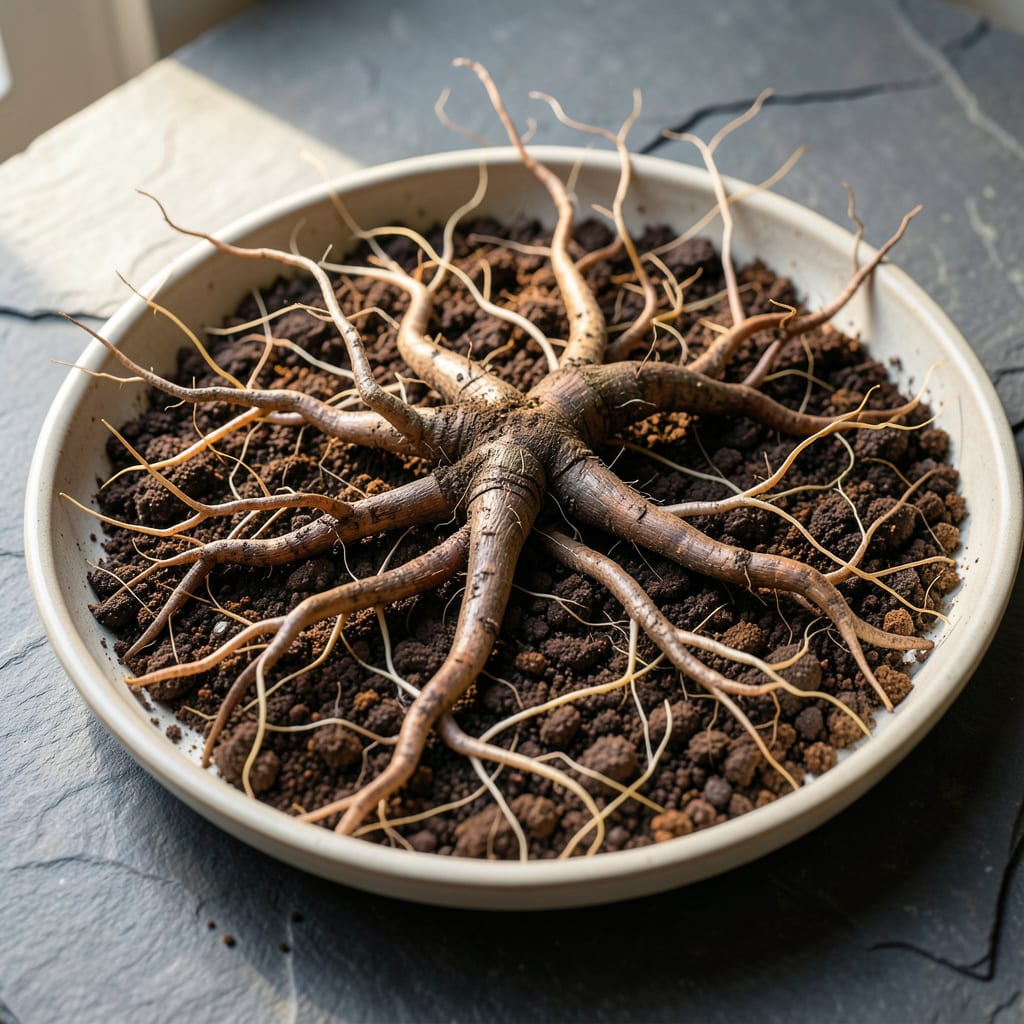
I learned the hard way that Rose of Sharon roots don’t mess around. These plants sink deep and spread wide, anchoring themselves like nature’s own foundation system.
This growth habit means they handle wind and drought better than most shrubs. But it also explains why they pop up in unexpected spots. Plant them with space to roam, or be ready to manage their ambitious nature.
📚 In This Guide
Here’s how I work with this plant’s natural growth habit for a stable, flourishing garden display.
Rose of Sharon develops a deep, fibrous root system that can extend 12-18 inches down while spreading 2-3 feet outward. This extensive network anchors the shrub securely, making it drought-tolerant once established. You’ll notice the roots grow aggressively, which is why this plant thrives in tough conditions.
I’ve found that young plants focus on root development first, so don’t be alarmed if top growth seems slow initially. The roots are busy establishing that stable foundation underground. This is the moment that matters: patience here pays off with a hardy, long-lived shrub.
When planting, dig a hole that’s at least twice as wide as the root ball but no deeper. This gives the spreading roots room to establish without circling. I always loosen the roots gently if they’re pot-bound—this encourages outward growth rather than continuing to circle.
Space multiple plants 6-10 feet apart to accommodate their mature spread. The roots will eventually intermingle, creating a living network that improves soil stability. You’ll see the benefits in how well the plants hold up during storms.
Water new plantings deeply—1-2 inches per week—to encourage those deep roots to grow downward. Shallow watering leads to shallow roots, which defeats the purpose of this plant’s natural strengths. I use a soaker hose to deliver water slowly at the base.
After the first season, you can reduce watering. The deep root system will access moisture from lower soil levels. Watch for wilting during extreme drought—this is your signal to water deeply again, not just at the surface.
While the root system provides stability, it can also be invasive. I’ve learned to plant Rose of Sharon where its spreading roots won’t interfere with structures or other plants. If you need to control its spread, consider planting in large containers or using root barriers.
For established plants, you can prune the roots if they’re becoming problematic. Do this in early spring before new growth starts. Cut back any roots extending beyond the desired area with clean pruners. This won’t harm the plant but will keep it in check.
Check occasionally for root suckers—new shoots that emerge from the roots some distance from the main plant. These can be removed if you want to maintain a tidy appearance. I simply snip them at ground level when I notice them.
Also watch for signs of root stress, like yellowing leaves or stunted growth. This often indicates compacted soil or poor drainage, which restricts the root system’s ability to do its job. Aerating the soil around the plant can help in these cases.
Working with this plant’s natural tendencies makes all the difference for long-term success.
Planting Depth Insight: In Step 2, that twice-as-wide hole is non-negotiable. Digging deeper than the root ball can actually smother the roots and prevent them from spreading properly. I learned this after losing a few plants early on—stick to the width, not the depth.
Spacing Strategy: The 6-10 feet apart guideline in Step 2 accounts for mature root spread. Plant too close and you’ll have tangled roots competing for nutrients. I once planted them 5 feet apart and spent years managing overcrowded growth.
Watering Technique: For Step 3’s 1-2 inches per week, use a moisture meter to check soil depth. Surface dryness doesn’t mean the lower 12-18 inches are dry—that deep watering encourages the roots to grow downward as mentioned in Step 1. A soaker hose works best for this.
Maintenance Timing: The early spring root pruning in Step 4 works because the plant is still dormant. Wait until after new growth starts and you’ll stress the plant. I mark my calendar for early March to stay ahead of any invasive spread.
Rose of Sharon roots typically grow 12–24 inches deep, but they can extend deeper in loose, well-draining soil. The root system is fibrous and spreading, providing stability for the shrub.
Generally, no. While the roots spread widely, they’re not aggressive enough to crack foundations or invade pipes. However, plant them at least 6–10 feet away from structures to avoid potential issues.
The roots can spread 2–3 times the width of the shrub’s canopy, often reaching 8–12 feet in diameter. This extensive network helps anchor the plant and absorb water efficiently.
Plant in containers or use root barriers to limit spread. Regular pruning and removing suckers also help manage growth. Avoid planting near sidewalks or driveways if space is limited.
They’re not classified as invasive, but their spreading roots can be competitive. In ideal conditions, they may self-seed or send up suckers, so monitor growth to keep them in check.
