
Beautiful Plants For Your Interior
Beautiful Plants For Your Interior
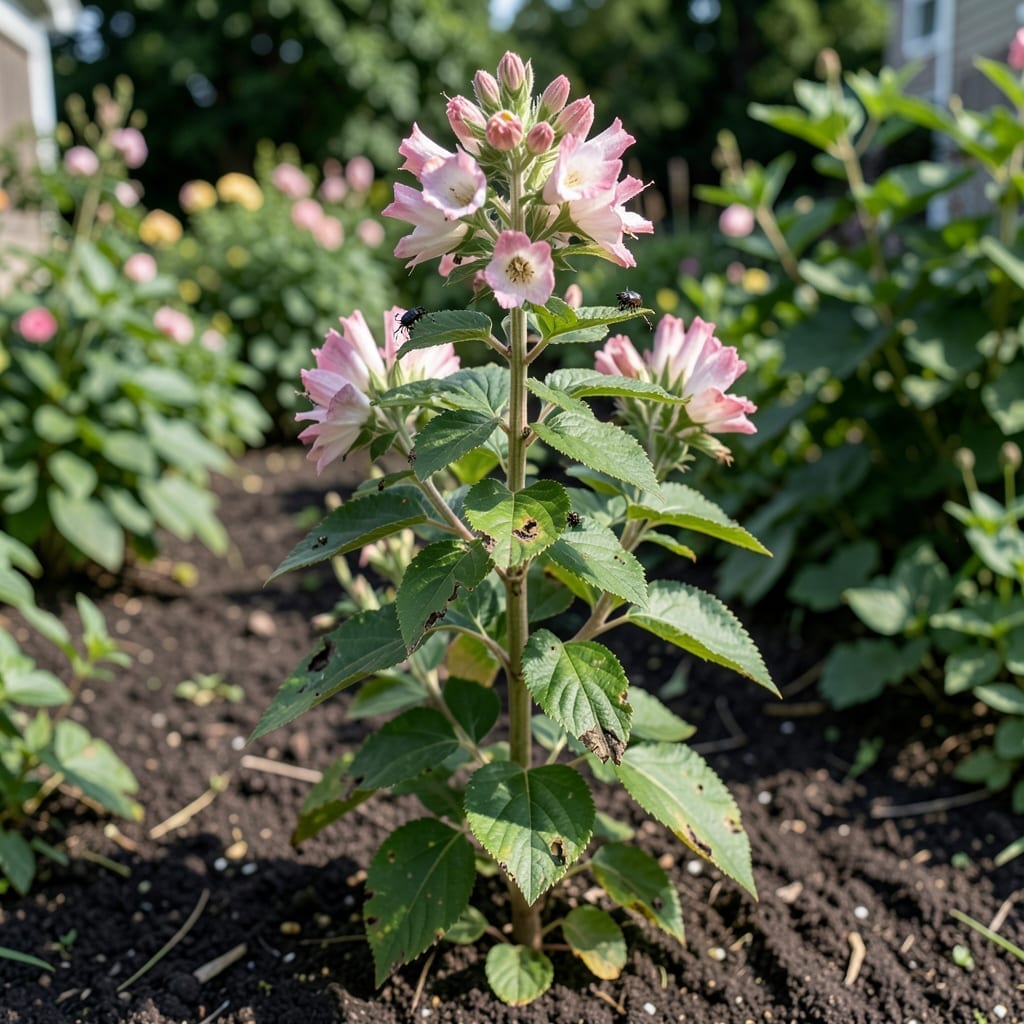
Japanese beetles chewed my Rose of Sharon to lace last July. Visual ID is the first defense—catch them early before they multiply and skeletonize every leaf.
The usual suspects include aphids clustering on new growth, spider mites webbing under leaves, and whiteflies clouding up when disturbed. Each leaves telltale signs: sticky residue, speckled foliage, or sudden wilting.
I swapped chemical sprays for natural removal methods that actually work. Neem oil disrupts lifecycles, ladybugs devour aphids, and a strong water blast knocks pests off without harming blooms.
Your shrub can rebound fast with consistent monitoring and the right approach. The goal is thriving blooms, not just survival.
Understanding why pests target your Hibiscus syriacus (Rose of Sharon) starts with recognizing the plant’s vulnerabilities and environmental stressors. Below are the primary causes, each backed by science and practical insights.
Stressed or weakened plants emit chemical signals that attract pests like aphids, spider mites, and Japanese beetles. Nutrient deficiencies (e.g., low nitrogen or potassium) or improper watering (over/under-watering) compromise the plant’s natural defenses. A study in Journal of Chemical Ecology found that stressed plants release volatile organic compounds (VOCs) that act as a “dinner bell” for insects.
Extreme heat, drought, or poor soil drainage create ideal conditions for pests. Dry, hot weather stresses the plant, making it susceptible to spider mites and whiteflies, while excess moisture invites fungal growth, which attracts pests like mealybugs. Rose of Sharon thrives in well-draining, loamy soil with consistent moisture—deviations from this trigger infestations.
Monoculture gardens (planting only Rose of Sharon) eliminate natural predators like ladybugs and lacewings, which keep pest populations in check. Companion planting with pest-repelling species (e.g., marigolds, lavender) disrupts pest life cycles. Research from Ecological Applications shows diverse plantings reduce pest outbreaks by up to 50%.
Fallen leaves, dead branches, and garden debris provide breeding grounds for pests. Aphids and scale insects overwinter in plant debris, while Japanese beetle grubs thrive in decomposing organic matter. Regular cleanup—especially in fall—removes these habitats and reduces next season’s pest pressure.
Dealing with pests on your Rose of Sharon doesn’t have to be a battle. Here’s how to tackle common invaders and keep your shrubs thriving.
Use a strong stream of water to dislodge aphids from leaves and stems. For stubborn infestations, apply insecticidal soap or neem oil every 5–7 days until they’re gone. Prevention tip: 💡 Encourage ladybugs and lacewings—natural aphid predators—by planting pollinator-friendly flowers nearby.
Spider mites thrive in dry conditions. Spray plants with water to disrupt their webs, and apply horticultural oil for severe cases. Prevention tip: 🌡️ Keep the soil consistently moist (but not soggy) and mist leaves during hot, dry spells.
Remove beetles by hand in the early morning when they’re sluggish, or use pheromone traps (place them away from your plants). For a natural deterrent, sprinkle kaolin clay on leaves. Prevention tip: ✨ Apply a layer of mulch to discourage beetles from laying eggs in the soil.
Gently scrape off scale with a soft brush or cloth, then apply dormant oil in late winter or early spring. Prevention tip: 🎯 Inspect new plants before bringing them home to avoid introducing scale to your garden.
For all pests, prune heavily infested branches and dispose of them in sealed bags to prevent spread. Regularly check the undersides of leaves for early signs of trouble—catching pests early makes control much easier!
Look for yellowing leaves, sticky residue, or fine webbing under foliage. These often indicate aphids, spider mites, or whiteflies before you see the pests themselves.
Act at the first sign of trouble, ideally in early morning or late evening. Neem oil works best when pests are active but temperatures are below 90°F.
A mix of 1 teaspoon dish soap and 1 quart water can deter soft-bodied pests. Always test on a small area first to avoid leaf burn.