
Beautiful Plants For Your Interior
Beautiful Plants For Your Interior
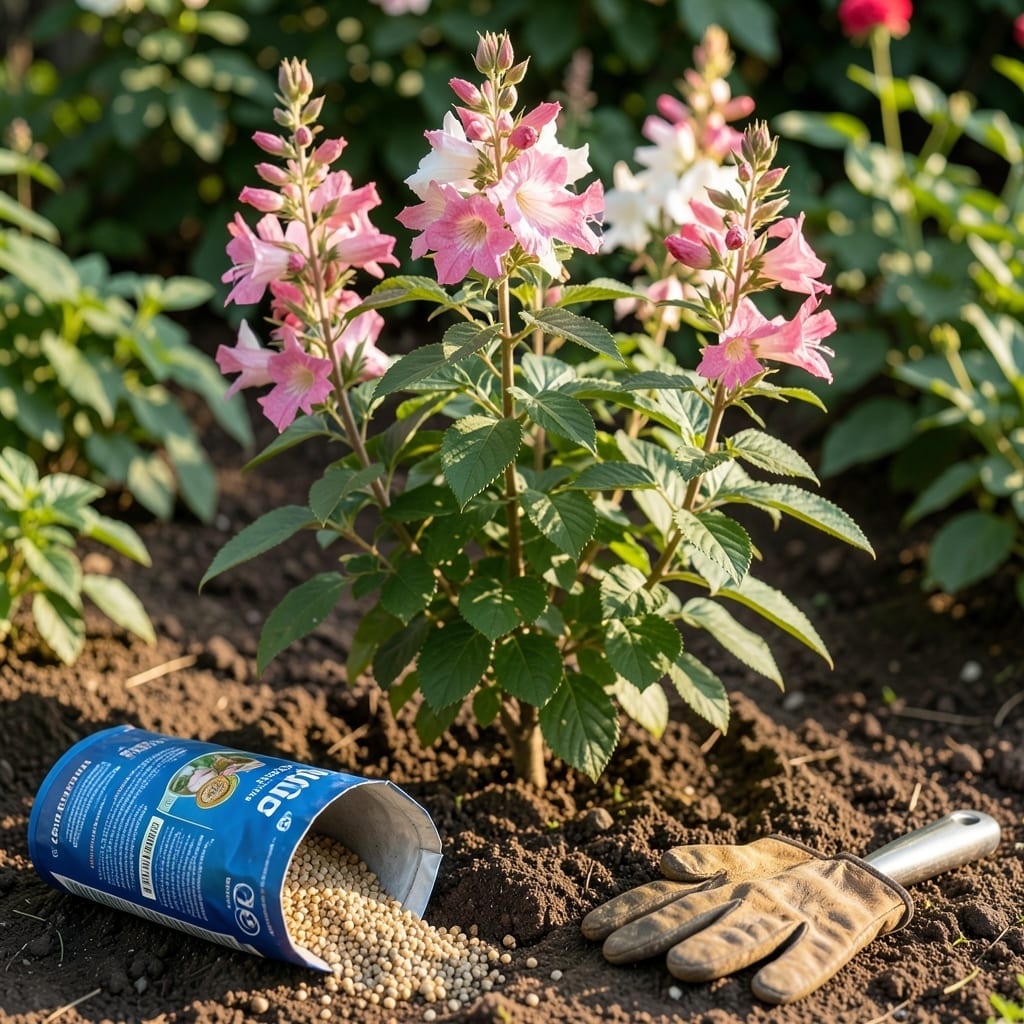
Want your 🌸 Rose Of Sharon to burst with color this season? The secret lies in how you feed it. This hardy shrub can thrive for years, but without proper nutrition, you might miss out on those stunning blooms.
I’ve tested different approaches, and the right fertilizer makes all the difference. Whether you’re a beginner or a seasoned gardener, a few simple tweaks can transform your plant’s health and vibrancy.
Discover the best nutrients, timing, and methods to keep your Rose Of Sharon flourishing. Let’s get started.
Choosing the right fertilizer for your Rose of Sharon can feel overwhelming, but it doesn’t have to be. I’ve found that a balanced NPK ratio works best for this hardy shrub. The 10-10-10 fertilizer is a classic choice, providing equal parts nitrogen, phosphorus, and potassium.
These nutrients support leafy growth, strong roots, and vibrant blooms. For organic gardeners, compost or well-rotted manure can be excellent alternatives, enriching the soil naturally.
For those focused on bloom production, I recommend a fertilizer with a slightly higher phosphorus content, like a 7-9-5 ratio. This encourages more flowers while still supporting overall plant health.
Slow-release granules are another great option, especially for busy gardeners. They feed your Rose of Sharon gradually over time, reducing the need for frequent applications.
If your soil is sandy or lacks organic matter, consider amending it with peat moss or compost before fertilizing. This helps retain moisture and nutrients, giving your shrub the best possible start.
Remember, over-fertilizing can be just as harmful as under-fertilizing. Always follow the package instructions and consider a soil test to determine your plant’s specific needs.
I’ve seen amazing results with a monthly feeding schedule during the growing season. Start in early spring and continue through summer, tapering off in early fall to prepare for dormancy.
Lastly, water your Rose of Sharon deeply after fertilizing. This helps distribute the nutrients evenly and prevents root burn. A deep soak once a week is ideal for most climates.
With the right approach, you’ll see healthier growth and more abundant blooms in no time 🌸
Timing your Rose of Sharon fertilization correctly can make a huge difference in blooming. I always start feeding in early spring, just as new growth begins to appear. This gives the plant a nutrient boost for the growing season ahead.
During the summer months, I continue fertilizing every 4-6 weeks to maintain those gorgeous blooms. Come early fall, I switch to a light feeding schedule to help the plant prepare for dormancy.
For application methods, I prefer granular fertilizers worked into the soil around the base. This allows for slow nutrient release with each watering. Always water thoroughly after applying to help the nutrients reach the roots.
Liquid fertilizers work well too, especially for a quick boost. I use these for my potted Rose of Sharon plants, applying them directly to the soil. Just be careful not to get any on the leaves, as this can cause burning.
The best time of day to fertilize is early morning. This gives the plant time to absorb the nutrients before the heat of the day. Also, avoid fertilizing during drought conditions or extreme heat.
Remember, less is often more with fertilization. Overdoing it can lead to excessive leafy growth at the expense of flowers. Stick to the recommended 1/2 lb per shrub dosage unless your soil test suggests otherwise.
With this schedule, you’ll see stronger growth and more vibrant blooms throughout the season ✂️