
Beautiful Plants For Your Interior
Beautiful Plants For Your Interior
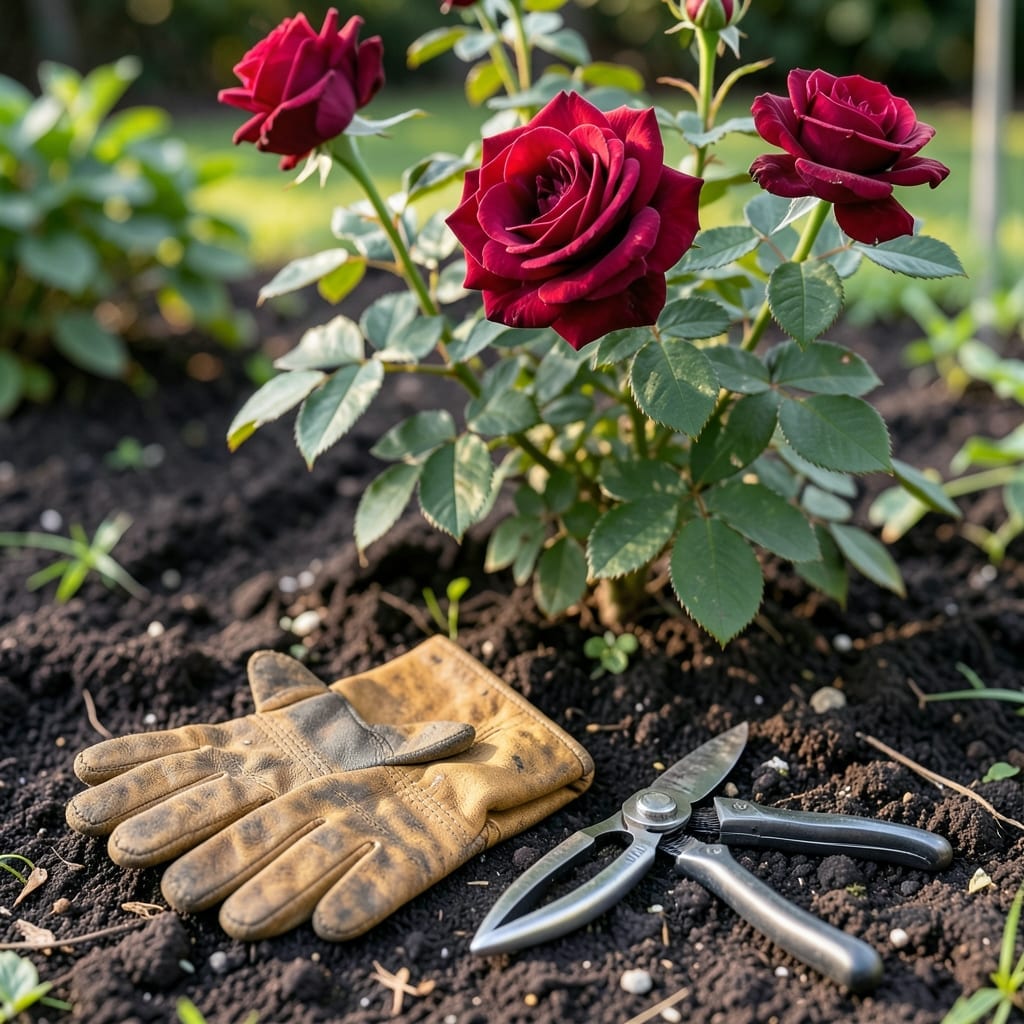
Red, itchy rashes after pruning roses caught me off guard last season. Turns out, it wasn’t just a thorn scratch—it was rose handler’s disease, a bacterial infection that sneaks in through small cuts.
This happens when Sporothrix fungi, hiding on thorns or stems, enters your skin. I learned the hard way that gloves aren’t just for comfort—they’re your first line of defense against this stubborn issue.
You’ll notice raised bumps that look like insect bites at first. Without treatment, they spread and become painful. The good news? It’s manageable with proper care and prevention.
Healthy roses start with healthy habits. Clean tools, protective gear, and quick action at the first sign of trouble keep both you and your garden thriving.
Rose handler’s disease develops when the bacterium Sporothrix schenckii enters the skin through minor cuts, scratches, or punctures—often from thorns or splinters. This fungus-like organism thrives in organic matter like soil, rose thorns, and decaying plant material. Below are the primary causes:
The most common cause is handling roses or other thorny plants without protection. The bacterium lives on the surface of thorns, and even a tiny prick can introduce it into the skin, leading to infection. Gardeners, florists, and landscapers are at highest risk.
Failing to wash hands thoroughly after working with roses or soil allows the bacteria to linger. If you touch your face, eyes, or other broken skin, the infection can spread. Always clean wounds immediately with soap and water.
S. schenckii prospers in rotting wood, leaves, and compost. Disturbing these materials—such as while pruning or clearing garden debris—can release spores that infect through inhalation or skin contact.
Individuals with compromised immune systems (e.g., from diabetes, HIV, or long-term steroid use) are more susceptible. Their bodies struggle to fight off the fungus, increasing the likelihood of severe or systemic infections.
Dealing with Sporothrix schenckii, the fungus behind this skin condition, requires prompt action and consistent care. Below are practical solutions mapped to common causes, along with prevention tips to keep you and your roses safe.
For small cuts or scratches from rose thorns, wash the area immediately with soap and warm water. Apply an antifungal cream (like clotrimazole) and cover with a clean bandage. Monitor for redness, swelling, or pus—if these appear, see a doctor.
If the wound becomes painful, spreads, or develops nodules, consult a healthcare provider. Oral antifungals (e.g., itraconazole) may be prescribed. Early treatment prevents complications like joint or bone infections.
Wear thick, long-sleeved gloves (preferably waterproof) when pruning roses. Long pants and closed-toe shoes add extra protection. Avoid handling roses with bare hands if you have open wounds.
Clean pruning tools with rubbing alcohol or a 10% bleach solution after each use. This kills fungal spores lingering on surfaces. Store tools in a dry place to prevent contamination.
Remove dead or diseased rose canes promptly, as they harbor fungi. Water roses at the base early in the day to allow foliage to dry quickly, discouraging fungal growth.
💡 Pro Tip: Apply a fungicidal spray (e.g., copper-based) to roses weekly during wet seasons to minimize spores in your garden.
Symptoms typically develop within 1-12 weeks after the fungal spores enter the skin. The first signs are often small, painless bumps that may be mistaken for insect bites.
No, it’s not contagious from person to person. The fungus only spreads through direct contact with contaminated plant material or soil. However, avoid sharing gardening tools to prevent indirect transmission.
Use thorn-proof gloves made of thick leather or nitrile, plus long sleeves and closed-toe shoes. For extra protection, apply a barrier cream to exposed skin before gardening.
Thornier varieties like climbers or old garden roses pose higher risk. Modern hybrid teas with fewer thorns are safer, but always wear protection regardless of rose type.