
Beautiful Plants For Your Interior
Beautiful Plants For Your Interior
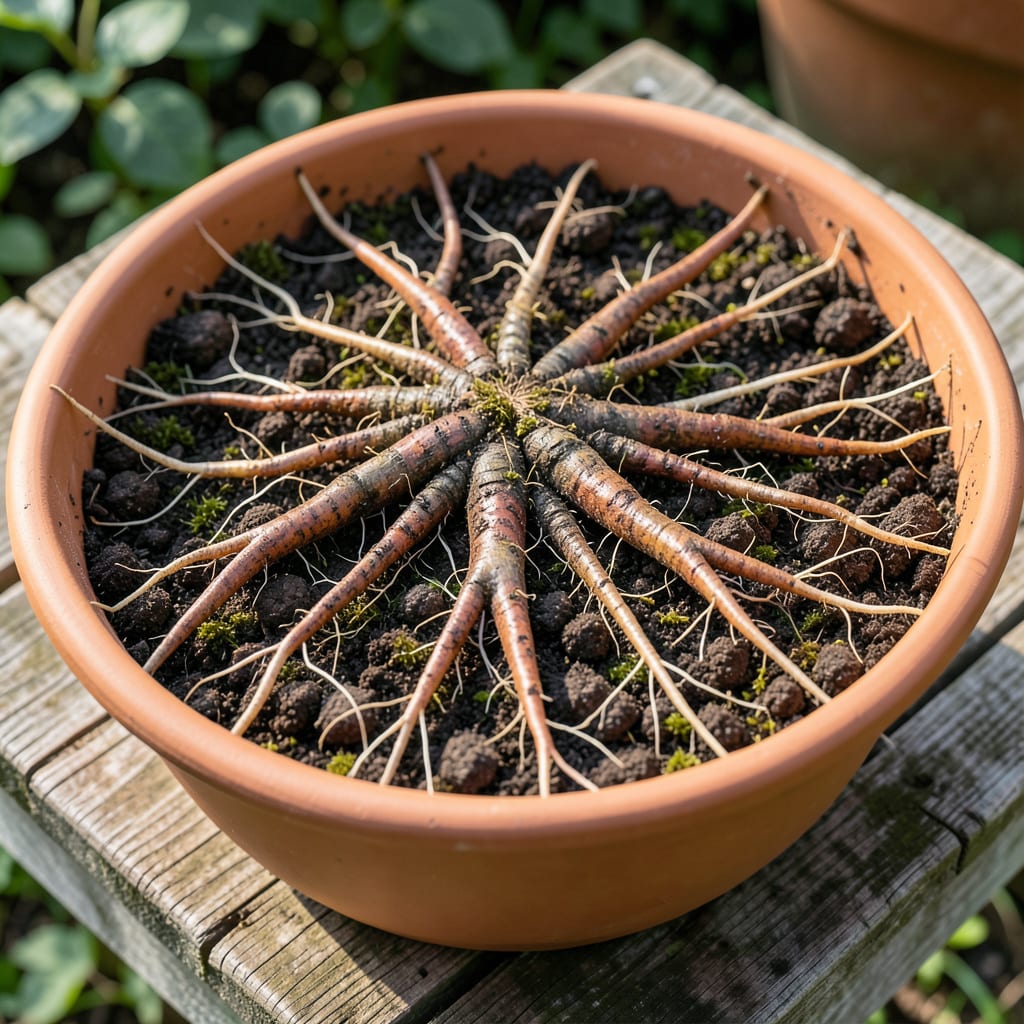
Strong roots mean stronger roses. I learned this the hard way after watching my first bush topple in a summer storm.
The root system anchors your plant, pulls up water, and feeds those thriving blooms we all want. Understanding how it works helps you grow roses that laugh at drought and outlast pests. Here’s what I wish I’d known from the start.
📚 In This Guide
Here’s the method I use to establish deep, resilient roots that support spectacular flowers season after season.
Select a spot with full sun (at least 6-8 hours daily) and well-draining soil. Roses develop shallow, weak roots in compacted or waterlogged ground. I test drainage by digging a 12-inch deep hole, filling it with water, and checking if it empties within 2-3 hours.
If water stands longer, amend the area with organic matter like compost to improve structure. The ideal site also has protection from harsh afternoon winds that can stress young roots. A south or west-facing location typically delivers the best results for most climates.
Dig a hole that’s twice as wide as the root ball and just as deep. This loose soil encourages roots to spread outward rather than circling. I always rough up the sides of the hole with my shovel to prevent glazing, which can act as a barrier to root penetration.
If planting bare-root roses, soak the roots in lukewarm water for 2-4 hours before planting to rehydrate them. For container-grown roses, gently loosen the roots at the bottom and sides of the root ball to break any circling patterns that could strangle the plant later.
Position the rose so the bud union (the swollen area where canes meet roots) sits 1-2 inches below ground level in cold climates or at ground level in warm climates. This protects the vulnerable graft from winter damage and encourages the rose to develop its own root system.
Backfill with native soil, watering lightly every 4-6 inches to settle the soil and eliminate air pockets. I’ve found that creating a slight basin around the base helps direct water to the roots during the critical first few weeks of establishment.
After planting, give the rose a thorough soaking—1-2 gallons of water for bare-root plants, slightly less for container-grown. For the first 3-4 weeks, water deeply every 2-3 days unless rain provides an inch of moisture. Deep watering encourages roots to grow downward in search of moisture.
Check soil moisture by sticking your finger 2-3 inches deep into the ground. If it feels dry, it’s time to water. Morning is the best time to water, as it allows foliage to dry before evening, reducing disease risk. Always water at the base, not from above, to keep leaves dry.
Apply a 2-3 inch layer of organic mulch around the base, keeping it 3 inches away from the stem to prevent rot. Mulch conserves moisture, regulates soil temperature, and suppresses weeds that compete for water and nutrients. I prefer shredded bark or compost for roses.
Begin fertilizing 4-6 weeks after planting once new growth appears. Use a balanced rose fertilizer and follow package instructions. Regular feeding supports root development and abundant blooming. Stop fertilizing 6 weeks before your first expected frost to allow the plant to prepare for dormancy.
The small details make a surprising difference in establishing a strong foundation for your roses.
Selection Tip: That 6-8 hours of daily sun in Step 1 isn’t just a suggestion—it’s critical for photosynthesis that fuels root development. I learned this the hard way when my first roses struggled in partial shade. A south-facing spot with morning sun and afternoon shade works best in hotter climates.
Drainage Check: When testing drainage as described in Step 1, use the exact 12-inch deep hole and 2-3 hour emptying time. If water lingers longer, amending with compost isn’t optional—it’s necessary to prevent root rot. I’ve seen roses wither in just weeks from poor drainage.
Soaking Strategy: For bare-root roses in Step 2, the 2-4 hour soak isn’t just about rehydration—it revives dormant roots and gives them a head start. Use lukewarm water, not hot, to avoid shocking the plant. This simple step can mean the difference between a plant that struggles and one that thrives.
Watering Wisdom: The 1-2 gallons of water immediately after planting in Step 4 might seem excessive, but it’s essential for settling the soil around the roots. For the first 3-4 weeks, stick to that every 2-3 days schedule religiously—new roots can’t reach moisture deep in the soil yet.
Rose bush roots typically grow 12–18 inches deep, though some varieties can extend up to 3 feet. The depth depends on soil conditions, water availability, and the rose type. Shallow roots may develop in compacted or rocky soil.
Yes, but timing is key! Transplant in early spring or fall when the plant is dormant. Dig a wide berry around the root ball (12–15 inches out) to minimize root damage, and water thoroughly afterward.
Well-draining, loamy soil with a pH of 6.0–6.5 is ideal. Mix in organic matter like compost for nutrients. Avoid heavy clay or sandy soils, as they can stunt root growth or retain too much moisture.
Shallow roots often signal compacted soil, poor drainage, or overwatering. Loosen the soil gently, add mulch to retain moisture, and adjust watering habits to encourage deeper root growth.
