
Beautiful Plants For Your Interior
Beautiful Plants For Your Interior
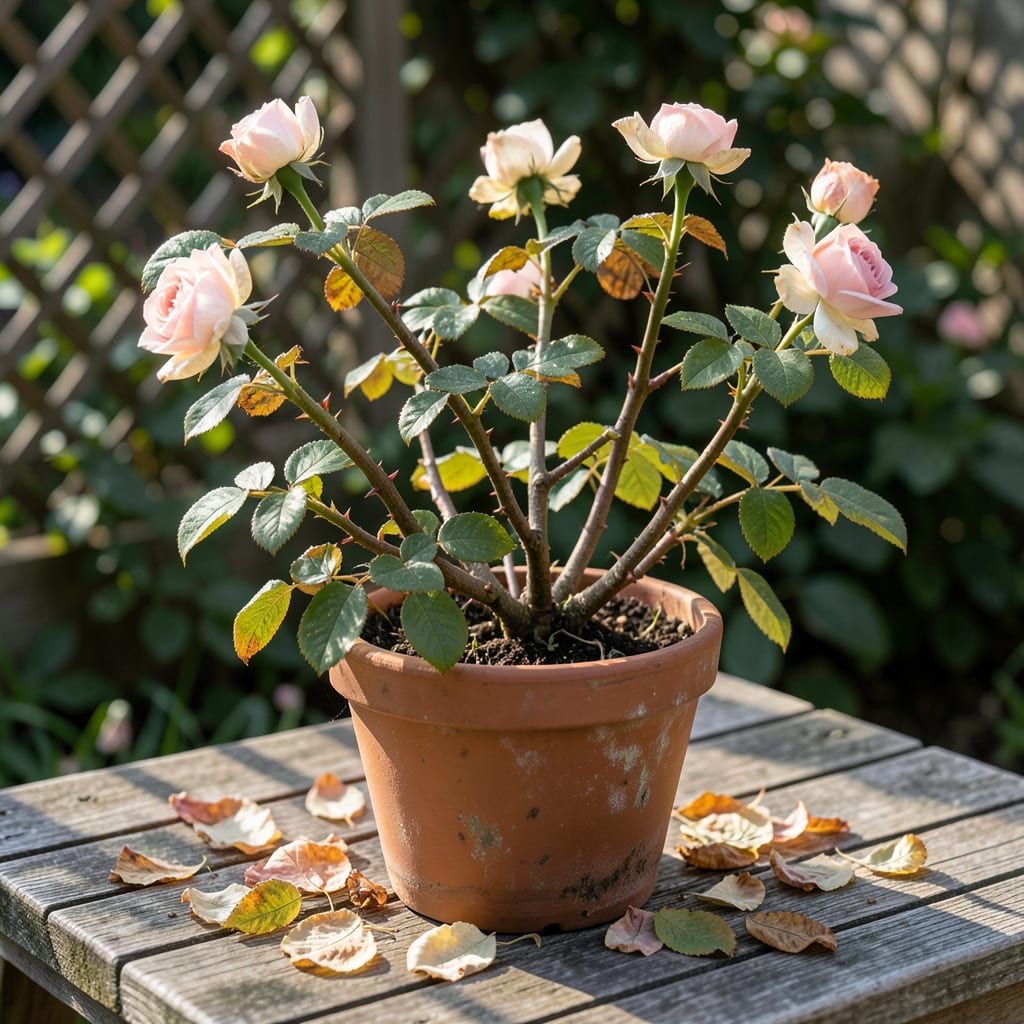
Watching your rose bush drop leaves hits different. I’ve stood in my garden, staring at bare stems where lush blooms should be, wondering what went wrong. It’s usually not one thing—it’s a combination of stress factors.
The usual suspects? Soil pH that’s too high or low, inconsistent watering, or hidden pests. Most gardeners overlook the simple fixes: testing soil, adjusting their routine, or checking the undersides of leaves for intruders.
Once you identify the issue, recovery can be surprisingly fast. I’ve seen bushes bounce back in 2-3 weeks with the right adjustments. The key is acting before the problem spreads to the whole plant.
Prevention is easier than cure. Regular checks and small tweaks keep your roses thriving, not just surviving. Let’s get to the bottom of this together.
Understanding why your rose bush is losing leaves starts with identifying the root causes. Below are the most common triggers, explained in clear, scientific terms.
Roses thrive in moderate temperatures (60–75°F). Extreme heat or cold disrupts photosynthesis and water uptake, forcing the plant to shed leaves to conserve energy. Heat stress often causes scorched, crispy edges, while cold damage leads to blackened or wilted foliage.
Both overwatering and underwatering trigger leaf drop. Overwatering suffocates roots, reducing oxygen uptake and promoting fungal growth (e.g., Phytophthora). Underwatering, meanwhile, causes dry, curling leaves as the plant prioritizes survival over foliage. Aim for 1–2 inches of water weekly, adjusting for rainfall and soil drainage.
Pathogens like Diplocarpon rosae (black spot) and Podosphera pannosa (powdery mildew) infect leaves, disrupting their function. Black spot causes yellowing leaves with black spots, while powdery mildew coats foliage in a white, powdery film. Both lead to defoliation if untreated. Improve air circulation and apply fungicides (e.g., neem oil) preventatively.
Sap-sucking pests like aphids, spider mites, and thrips weaken roses by draining nutrients. Aphids leave sticky honeydew and curled leaves, while spider mites cause stippling (tiny yellow specks). Use insecticidal soap or introduce beneficial predators (e.g., ladybugs) for control.
Roses prefer slightly acidic soil (pH 6.0–6.5). Alkaline soils (pH > 7.0) lock out essential nutrients like iron, leading to chlorosis (yellow leaves with green veins). Test soil pH and amend with sulfur (to lower pH) or lime (to raise pH) as needed.
Don’t panic if your rose bush is dropping leaves—most causes are fixable with a little care and attention. Below are targeted solutions for the most common issues, paired with prevention tips to keep your roses thriving.
Fix: Remove infected leaves and treat with a copper-based fungicide or neem oil. Improve air circulation by pruning dense foliage. Water at the base to avoid wetting leaves.
Prevention: Space plants properly, water in the morning, and apply a preventative fungicide every 2–3 weeks during humid seasons. 💡 Pro tip: Choose disease-resistant rose varieties for less maintenance.
Fix: Check soil moisture 2 inches deep—it should feel like a damp sponge. Adjust watering: deep soak (1–2 inches) weekly for established bushes, more often for new plants. Mulch with organic matter to retain moisture.
Prevention: Use a drip irrigation system to deliver water directly to roots. Avoid overhead watering to prevent fungal growth.
Fix: Test soil pH (ideal: 6.0–6.5). If too acidic, add lime; if too alkaline, amend with sulfur or peat moss. Retest after 2–3 months.
Prevention: Test soil annually and amend as needed. Use a balanced rose fertilizer (10-10-10) to maintain nutrient levels. ✨ Pro tip: Coffee grounds can gently lower pH over time!
Fix: Blast pests off with water or apply insecticidal soap. For severe cases, use horticultural oil or introduce beneficial insects like ladybugs.
Prevention: Inspect leaves weekly for early signs. Encourage natural predators by planting companion flowers like marigolds.
Fix: Yellow leaves with green veins? Likely iron deficiency—apply chelated iron. General poor growth? Use a slow-release rose fertilizer rich in nitrogen, phosphorus, and potassium.
Prevention: Feed roses monthly during growing season. Top-dress with compost in spring for a nutrient boost.
Provide 1-2 inches of water weekly, adjusting for rainfall. Deep soak the roots rather than frequent light watering. Check soil 2 inches deep—it should feel damp but not soggy.
This is classic iron deficiency, often from alkaline soil. Apply chelated iron or amend soil with sulfur to lower pH to 6.0-6.5. Test soil to confirm.
Yes! Too much fertilizer burns roots, stressing the plant. Stick to a balanced 10-10-10 rose fertilizer monthly. Always follow package instructions carefully.
Improve air circulation by pruning dense growth. Water in the morning and apply neem oil every 2-3 weeks during humid weather. Remove infected leaves immediately.
