
Beautiful Plants For Your Interior
Beautiful Plants For Your Interior
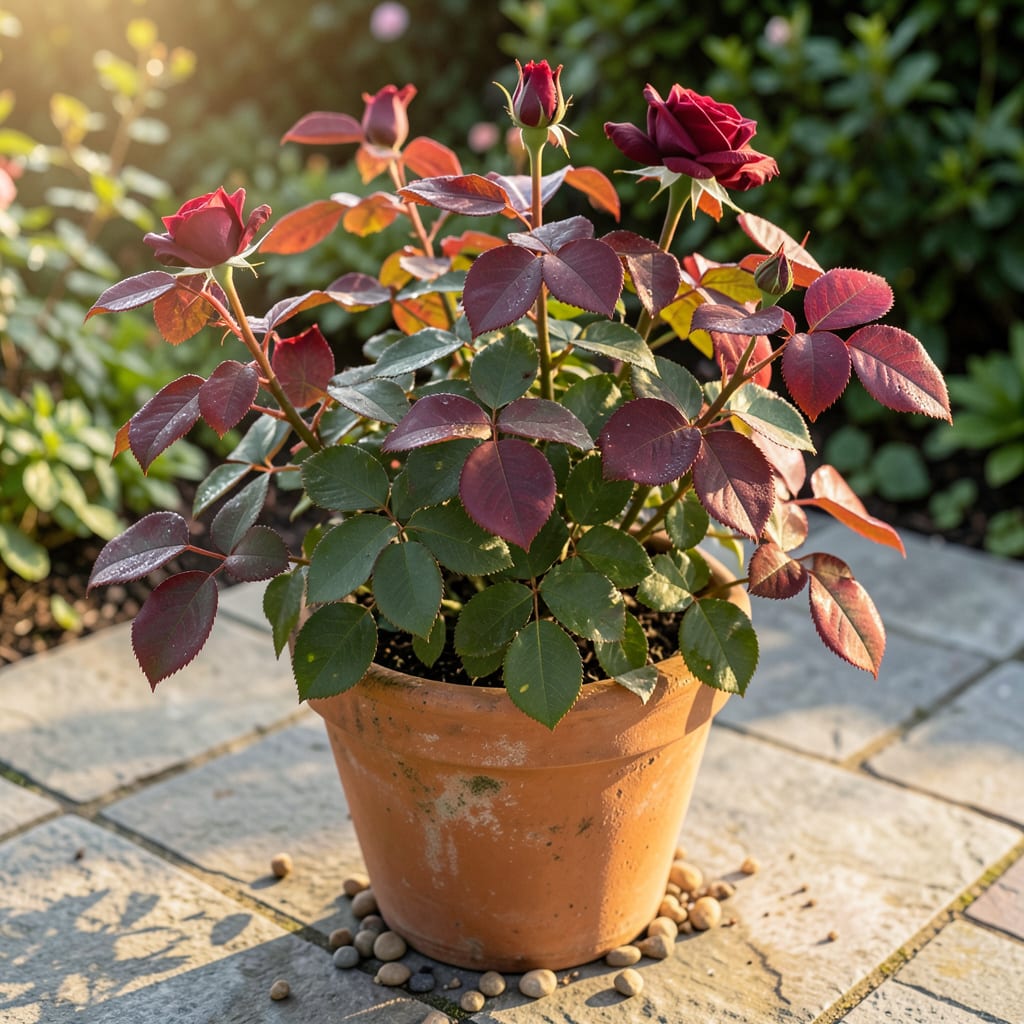
Red leaves on your rose bush aren’t just unsightly—they’re a cry for help. I’ve seen this happen to my own plants, and the fix is simpler than you’d think.
The culprit is usually a nutrient imbalance, often phosphorus deficiency or too much nitrogen. But environmental stress, like extreme heat or poor drainage, can trigger it too. Diagnosing the root cause is the first step to saving your roses.
With the right adjustments—like tweaking your fertilizer or improving soil conditions—you’ll see green growth returning within 2-3 weeks. Your roses will thank you with stronger stems and more blooms.
Prevention is key: regular soil tests and proper watering habits keep this issue from coming back. Here’s how to get your bush back on track.
When your rose bush leaves turn red, it’s often a sign of stress or an underlying issue. Here are the most common causes, explained clearly so you can diagnose and fix the problem:
Extreme temperatures—either too hot or too cold—can trigger anthocyanin production, the pigment responsible for red hues in leaves. Roses exposed to sudden frost or scorching sunlight may develop reddened foliage as a protective response. Ensure your roses are planted in a location with consistent temperatures and partial shade during peak heat.
A lack of essential nutrients, particularly phosphorus (P) or magnesium (Mg), can cause leaves to turn red or purple. Phosphorus deficiency often appears in older leaves first, while magnesium deficiency starts at the leaf margins. Conduct a soil test to confirm imbalances and amend the soil with a balanced fertilizer or organic matter like compost.
Diseases like rust or powdery mildew can stress the plant, leading to discoloration. Rust causes orange-red spots, while mildew may create a white powdery coating with red undertones. Improve air circulation around the bush, avoid overhead watering, and apply fungicidal treatments if needed.
Inconsistent watering—either drought or waterlogging—disrupts nutrient uptake, stressing the plant. Roses prefer moist but well-drained soil. Check soil moisture 2 inches deep; water when dry, but avoid soggy conditions. Mulching helps retain moisture without suffocating roots.
Addressing red leaves on your rose bush starts with identifying the root cause and applying targeted solutions. Below are practical fixes for common issues, paired with prevention tips to keep your roses thriving.
If the reddening is due to phosphorus or magnesium deficiency, amend the soil with a balanced fertilizer (10-10-10) or organic options like bone meal (for phosphorus) or Epsom salts (for magnesium). Test your soil first to confirm imbalances.
Extreme temperatures or sudden weather changes can stress roses, turning leaves red. Shield plants from harsh sun or cold drafts.
Red leaves may signal spider mites or fungal infections like anthracnose. Inspect undersides of leaves for pests or dark spots.
Inconsistent moisture leads to stress. Roses need about 1–2 inches of water weekly, depending on climate.
Yes, sudden cold snaps can trigger red pigmentation as a protective response. Roses in temperatures below 50°F often develop red leaves to shield against damage.
With proper care, new growth should appear green within 2-3 weeks. Existing red leaves may not fully recover, but the plant will produce healthy foliage.
Not always. While fungal infections can cause reddening, it’s more often due to nutrient imbalances or stress. Check for spots or unusual patterns to confirm.
Only if they’re severely damaged or diseased. Otherwise, leave them to continue photosynthesizing until new growth appears.
