
Beautiful Plants For Your Interior
Beautiful Plants For Your Interior
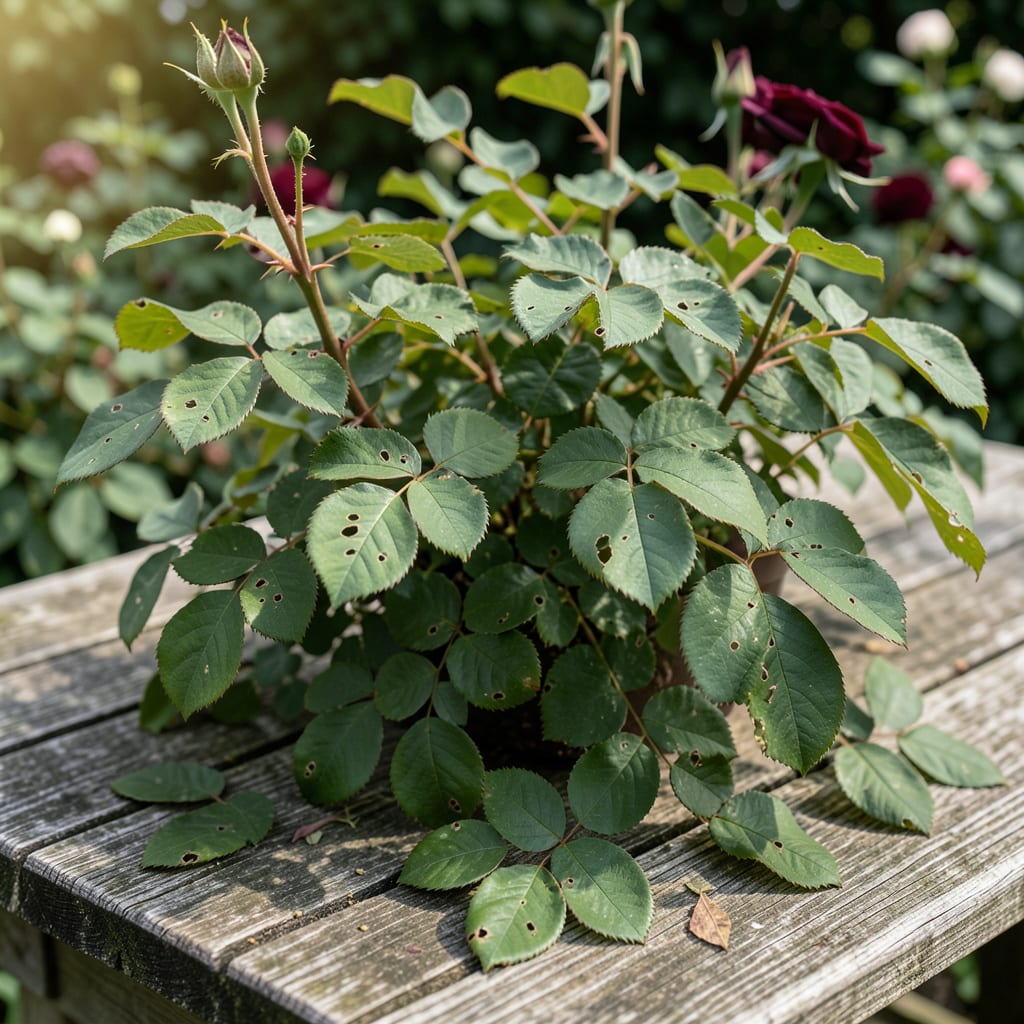
I walked outside yesterday to find my rose leaves looking like Swiss cheese. 🌿 Turns out, those holes aren’t random—they’re a dinner bell for pests that specifically target roses.
Japanese beetles, sawfly larvae, and even slugs leave distinct patterns. The good news? You can identify the culprit by the hole shape and location, then stop the damage without harsh chemicals.
I’ve tested dozens of organic methods, from hand-picking to neem oil sprays. The most effective solutions take 10 minutes a week and protect your entire garden, not just the roses.
You’ll see new growth in 7-10 days once you start treatment. No more sad, holey leaves—just healthy plants ready to bloom.
Holes in rose bush leaves are rarely random—they’re usually the work of specific pests or environmental stressors. Here’s a breakdown of the most common causes, so you can diagnose the issue quickly and take action.
These metallic green-and-copper beetles skeletonize leaves by chewing tissue between the veins, leaving a lacy, hole-riddled pattern. They’re most active in early summer, feeding during daylight hours. Check for beetles on leaves or look for their grubs in the soil beneath your roses.
Often mistaken for caterpillars, sawfly larvae (like the rose slug) are pale green and rasp leaf surfaces, creating irregular holes and brown edges. They’re usually found on the undersides of leaves and can defoliate a plant rapidly if left unchecked.
These tan, slender beetles chew large, irregular holes in leaves and flower petals. Unlike Japanese beetles, they’re less picky and may also attack other garden plants. They’re most problematic in late spring to early summer.
While not as common as pests, severe infections from black spot or anthracnose can cause leaf tissue to die and drop out, mimicking holes. Look for dark spots with yellow halos or water-soaked lesions—these are telltale signs of a fungal or bacterial issue, not insect damage.
If your rose bush leaves have holes, the culprits are usually pests, and targeted action can restore your plant’s health. Below are the most effective organic solutions for common causes, along with prevention tips to keep your roses thriving.
Check leaves in the early morning when beetles are sluggish. Drop them into soapy water to drown them. For severe infestations, set up pheromone traps far away from your roses to lure them elsewhere. Prevention: Apply neem oil weekly to deter adults from laying eggs in the soil.
These small, green larvae scrape tissue from leaves, leaving transparent “windows.” Blast them off with water or pick them by hand. Follow up with spinosad spray (an organic bacteria-based insecticide) at dusk. Prevention: Keep the area under roses clean of debris where slugs hide.
Tiny mites cause stippled, yellowing leaves. Spray leaves thoroughly with water to dislodge them, then apply horticultural oil to suffocate survivors. Repeat every 5–7 days until gone. Prevention: Avoid overhead watering and improve air circulation to reduce dry, dusty conditions they love.
These soft-bodied pests cluster on new growth. Spray with insecticidal soap (1 tbsp mild soap + 1 quart water) to kill them on contact. For long-term control, introduce ladybugs or lacewings. Prevention: 💡 Plant companion flowers like marigolds to attract aphid predators.
Pro Tip: ✨ Always inspect both sides of leaves—many pests hide underneath! Rotate treatments to prevent resistance, and avoid harsh chemicals that harm pollinators.
Check the hole pattern. Lacy, skeletonized leaves mean Japanese beetles. Irregular holes with brown edges suggest sawfly larvae. Large, random holes often indicate rose chafer beetles.
Japanese beetles attack 300+ plant types, including grapes and beans. Sawfly larvae usually stick to roses. Rose chafers may also damage other flowers and shrubs.
Handpick visible pests in early morning and drop in soapy water. For immediate results, spray with neem oil or insecticidal soap at dusk. Repeat every 3-5 days until gone.
