
Beautiful Plants For Your Interior
Beautiful Plants For Your Interior
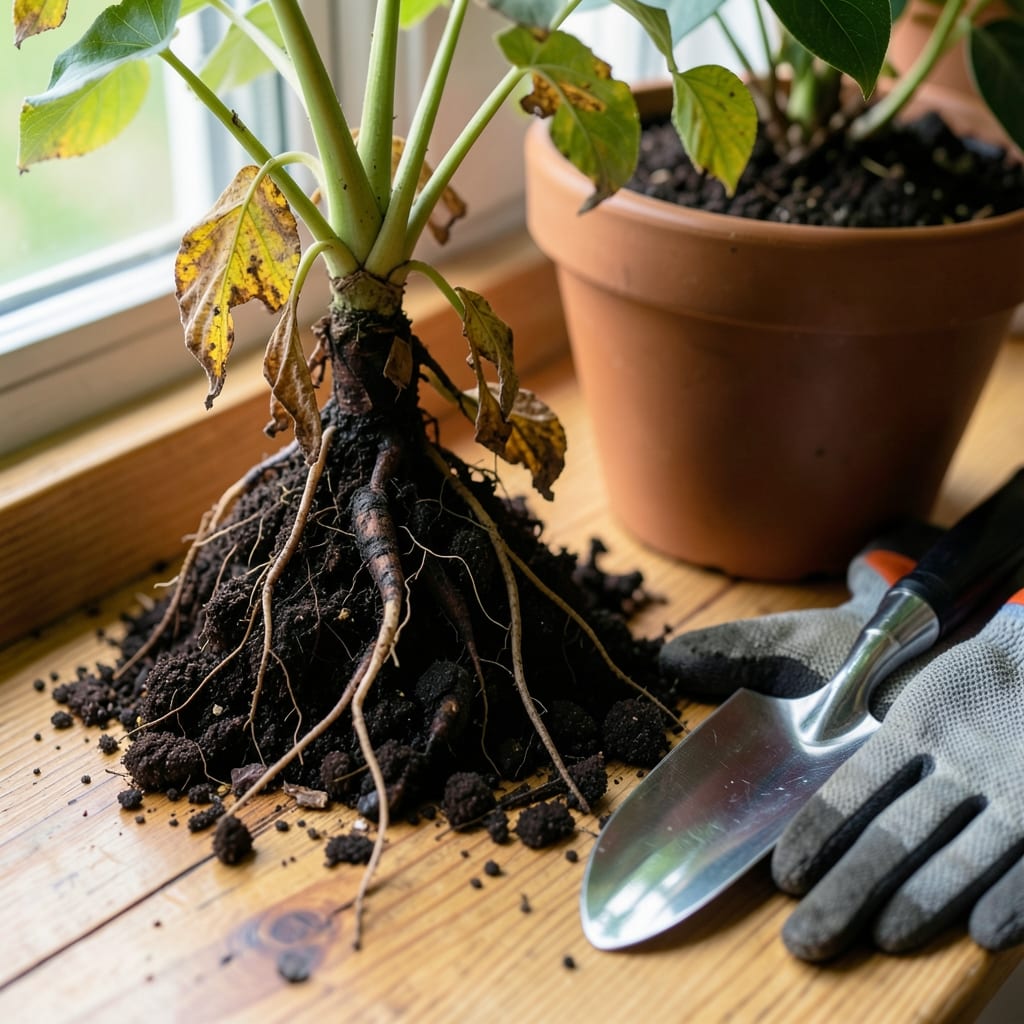
Your plants look fine above ground until you notice the wilting. Root rot starts invisible but spreads fast—dark, mushy roots and a foul odor are the first red flags.
I’ve lost more than a few plants to this silent killer. Catching it early means the difference between saving your garden and starting over. The key is knowing exactly what to look for.
With the right visual guide, you’ll spot the early signs: yellowing leaves, stunted growth, and roots that fall apart when touched. These clues appear weeks before total collapse.
Prevention is simpler than you think. Proper drainage, the right soil mix, and careful watering habits can keep your roots healthy and your plants thriving.
Root rot doesn’t happen overnight—it’s the result of specific conditions that favor fungal or bacterial growth. Here’s a breakdown of the most common causes, so you can stop this silent killer in its tracks. 🌱💡
Excess moisture is the #1 culprit. When soil stays soggy, oxygen is pushed out, creating an anaerobic environment where Phytophthora, Pythium, and Fusarium fungi thrive. Plants can’t absorb nutrients properly, and roots suffocate, turning mushy and black.
Action: Water only when the top 1-2 inches of soil are dry, and ensure pots have drainage holes.
Compacted or clay-heavy soil traps water around roots, accelerating decay. Even well-meaning gardeners can unintentionally create a swampy death zone with dense potting mixes or no drainage layers.
Action: Use a loose, well-aerated mix (e.g., perlite or sand for containers) and elevate pots to prevent water pooling.
These microscopic invaders (like Armillaria or Rhizoctonia) attack weakened roots, especially in warm, humid conditions. They spread through contaminated soil, tools, or even splashing water.
Action: Sterilize tools, avoid overhead watering, and use fungicide-treated soil for susceptible plants.
High humidity (above 85%) and temperatures between 75–85°F (24–29°C) create a breeding ground for pathogens. Cool, wet conditions also slow root metabolism, making plants more vulnerable.
Action: Improve airflow with fans or spacing, and avoid overcrowding plants.
Root rot can feel like a death sentence for your plants, but don’t lose hope! With the right steps, you can save your greenery and even prevent future outbreaks. Here’s how to tackle the most common causes and turn things around.
If soggy soil is the culprit, stop watering immediately and let the plant dry out. Repot the plant in fresh, well-draining soil, and trim away any black, mushy roots with sterilized scissors. Prevention tip 💡: Water only when the top 1-2 inches of soil are dry, and use pots with drainage holes.
Plants in heavy or compacted soil sufocate. Switch to a loose, airy mix (like cactus or succulent soil) and ensure your pot has drainage holes. For severe cases, add perlite or sand to improve aeration. Prevention tip 🎯: Elevate pots to avoid water pooling underneath.
Remove infected roots and soak the remaining healthy roots in a fungicide (like copper-based solutions or hydrogen peroxide diluted in water). Repot in clean soil and a sterilized container. Prevention tip ✨: Avoid reusing soil from infected plants, and keep tools clean.
Catching root rot early is key—use those root rot pictures as a guide to spot trouble fast!
Check for dark, mushy roots that fall apart when touched. Healthy roots are firm and white or light tan. A foul odor from the soil is another red flag.
Yes, if caught early. Trim affected roots, repot in fresh soil, and adjust watering habits. Severe cases may require fungicide treatment.
Use well-draining soil, pots with drainage holes, and water only when the top 1-2 inches of soil are dry. Avoid overcrowding plants.
Early stages often show no visible symptoms above soil. By the time leaves yellow or wilt, the damage may already be extensive.