
Beautiful Plants For Your Interior
Beautiful Plants For Your Interior
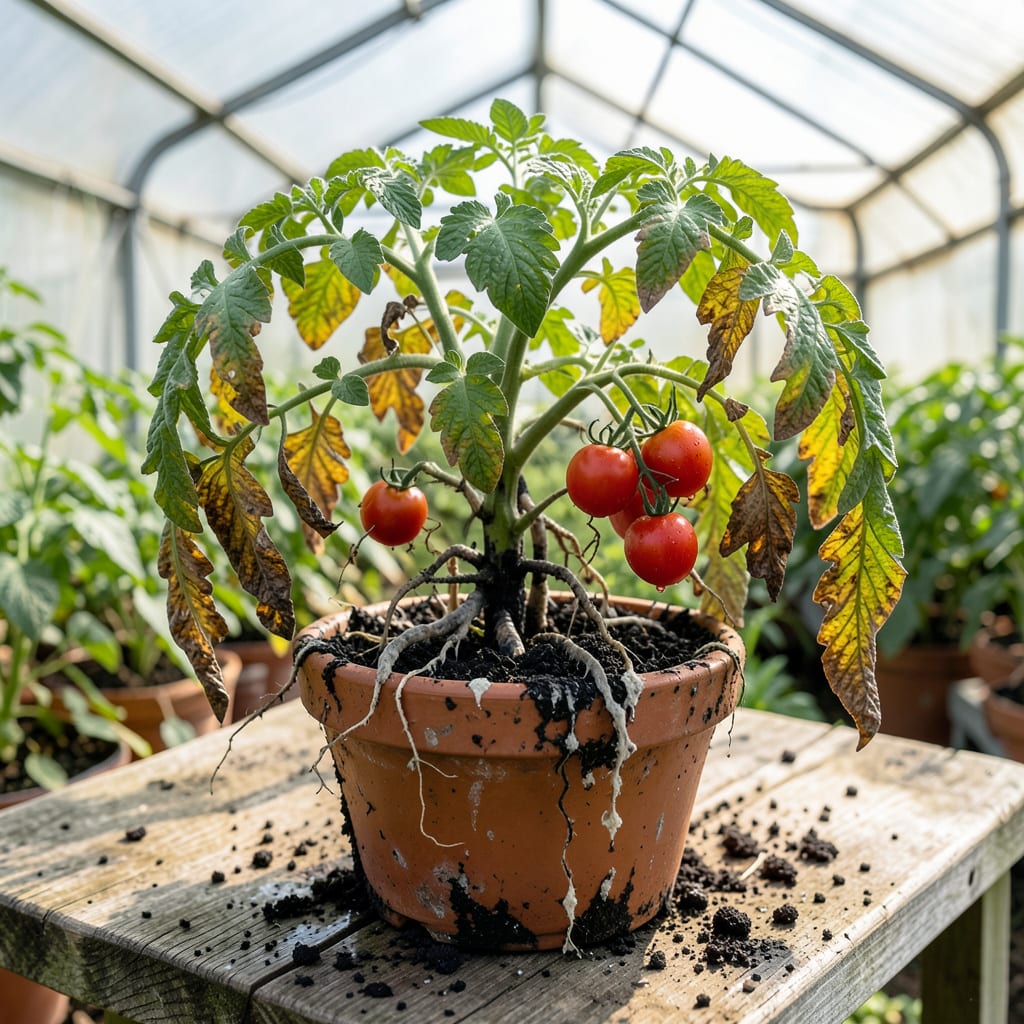
Yellowing stems and wilting leaves on your tomatoes are red flags. 🌱 I’ve lost entire crops to root rot before, but now I spot the early signs and act fast.
This isn’t just bad luck—it’s usually overwatering, poor drainage, or infected soil. The good news is, most plants recover completely with the right approach. You’ll need to adjust watering, improve airflow, and sometimes replace the soil.
Within 7-10 days of treatment, you should see new growth and firmer stems. The key is catching it early before the rot spreads to the entire root system.
Works for potted tomatoes, garden beds, and greenhouse plants. Here’s how to save them.
Root rot in tomato plants is often the result of several interconnected factors, primarily tied to environmental conditions and poor cultural practices. Below are the most common causes, each with a scientific basis and actionable insights.
Excess moisture is the leading cause of root rot. When soil remains waterlogged, oxygen is displaced, creating an anaerobic environment where harmful fungi like Phytophthora and Pythium thrive. These pathogens attack the roots, impairing their ability to absorb water and nutrients. Ensure your tomato plants are in well-draining soil and avoid overwatering—stick to a consistent but moderate watering schedule.
Tomato plants grown in clay-heavy or compacted soil are at higher risk. Such soils retain too much water and restrict root respiration. Amend the soil with organic matter like compost or perlite to improve aeration and drainage. Raised beds can also help prevent waterlogging in heavy soils.
Root rot is frequently caused by soil-borne pathogens, including Fusarium, Rhizoctonia, and Phytophthora. These microbes spread through contaminated soil, tools, or infected plant debris. Crop rotation and sterilizing gardening tools can reduce their spread. Additionally, planting disease-resistant tomato varieties provides a genetic defense against common pathogens.
High humidity and warm temperatures (above 85°F or 29°C) create ideal conditions for fungal growth. Conversely, cold, soggy soil slows root metabolism, making plants more susceptible to infections. Use mulch to regulate soil temperature and moisture, and consider drip irrigation to keep foliage dry and reduce humidity around the plant base.
Tackling root rot early can save your tomato plants. Below are targeted fixes for the most common causes, along with prevention tips to keep your garden thriving.
If soggy soil is the culprit, stop watering immediately and let the soil dry out. Repot or transplant affected plants into fresh, well-draining soil mixed with perlite or sand. Use containers with drainage holes or raised beds to prevent waterlogging. Prevention tip: Water only when the top inch of soil feels dry, and always use a saucer to catch excess water.
For fungal root rot, remove affected roots with sterilized pruners and treat the remaining roots with a copper-based fungicide or a natural option like neem oil. Discard heavily infected plants to prevent spreading. Prevention tip: 💡 Rotate crops yearly and avoid planting tomatoes in the same spot to reduce fungal buildup.
Revitalize compacted or nutrient-poor soil by mixing in compost or organic matter. This improves aeration and beneficial microbial activity. Avoid heavy clay soils, which retain too much moisture. Prevention tip: Test soil drainage before planting—dig a hole, fill it with water, and ensure it drains within an hour.
Overcrowded plants compete for resources and trap moisture. Thin seedlings to 18–24 inches apart and prune excess foliage to improve airflow. Prevention tip: Follow spacing guidelines on seed packets and stake or cage plants to keep foliage off the ground.
Act fast at the first sign of trouble, and your tomatoes will bounce back stronger! ✨
Look for wilting leaves that don’t recover after watering, yellowing stems, and stunted growth. Gently remove the plant from soil to check for dark, mushy roots.
Yes, if caught early! Trim affected roots, repot in fresh well-draining soil, and reduce watering. Severe cases may require discarding the plant to protect others.
Use containers with drainage holes, avoid overwatering, and amend soil with compost. Space plants 18-24 inches apart for proper airflow.
Copper-based fungicides work for severe infections, while neem oil or compost tea offer organic solutions. Always treat at the first sign of trouble.
