
Beautiful Plants For Your Interior
Beautiful Plants For Your Interior
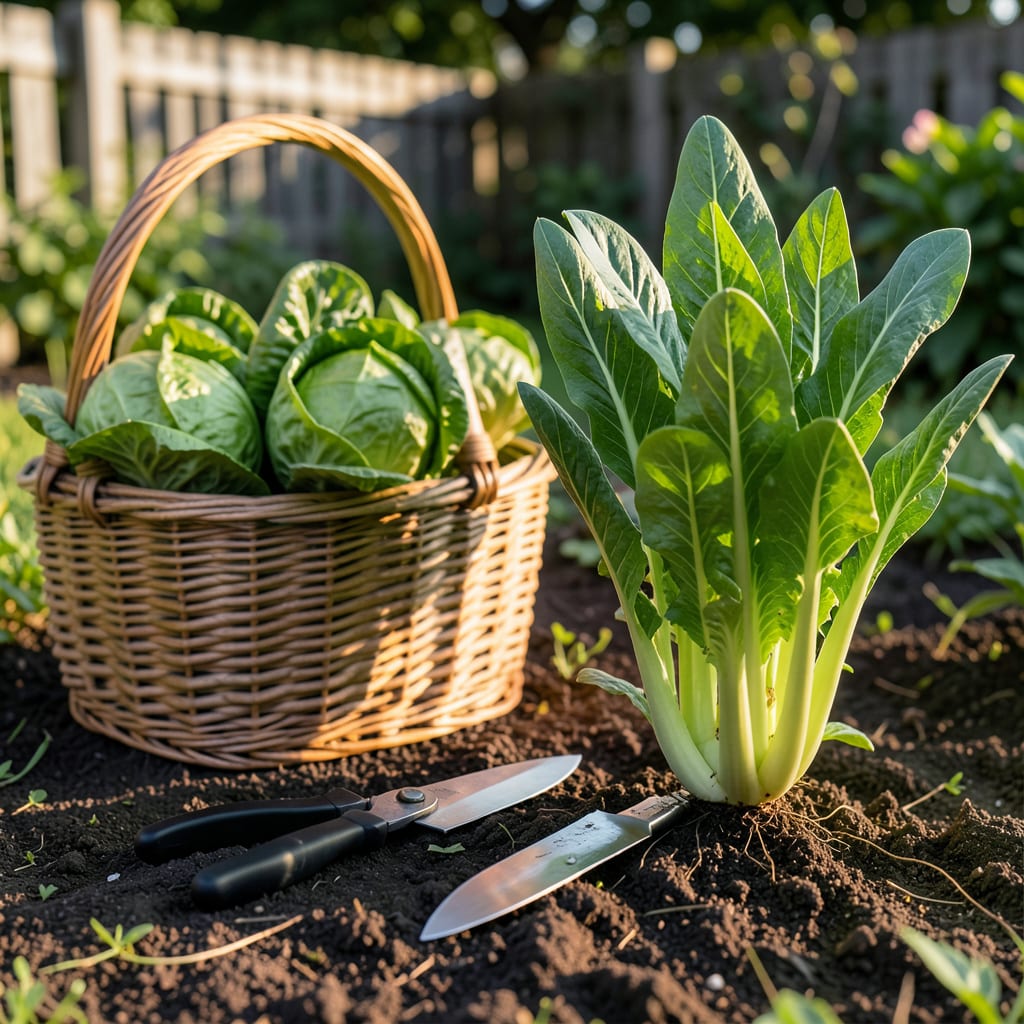
There’s nothing quite like the satisfaction of picking your own crisp 🥬 Romaine Lettuce at its peak. I’ve learned that timing is everything when it comes to getting that perfect flavor and texture.
From the first signs of readiness to the best time of day for harvesting, I’ll share what I’ve discovered about getting the most out of your crop. Let’s make sure your next harvest is the best one yet.


I always check for the classic signs that my romaine lettuce is ready to pick. The most obvious is when the leaves form a tight, elongated head that feels firm to the touch.
Another clear indicator is when the plant reaches 6-10 inches in height with full-sized leaves. The center leaves should appear pale and tightly packed, not loose or open.
| Harvest Sign | Description |
|---|---|
| Head Formation | Tight, elongated shape |
| Plant Height | 6-10 inches tall |
| Center Leaves | Pale and tightly packed |
| Leaf Texture | Crisp and firm |
The texture is crucial – your romaine should feel crisp when gently squeezed. If the leaves are floppy or wilted, it’s not quite ready for picking.
For baby leaf harvests, I look for leaves that are about 4-6 inches long. These tender leaves are perfect for continuous harvesting without disturbing the main plant.
I’ve found that full-head harvests typically occur between 55-85 days after planting, depending on the variety and growing conditions. The ideal window is around 70 days for most romaine types.
Color is another good indicator. The outer leaves should be a deep, rich green while the inner leaves can be lighter, almost white at the very center when fully mature.
If you notice the plant starting to bolt (sending up a flower stalk), it’s past its prime. The leaves will turn bitter, so harvest before this happens, especially in warm weather.
I recommend checking your plants daily once they approach maturity. Romaine can go from perfect to overmature quickly, especially in hot weather or if watered inconsistently.
Remember, you can harvest outer leaves first for a continuous supply, or cut the entire head at once when it reaches full size. Both methods work well with romaine lettuce. ☀️
I always harvest my romaine lettuce in the early morning when the leaves are most crisp and hydrated. The cool temperatures help preserve freshness and prevent wilting during picking.
The season matters too – spring and fall crops typically offer the best flavor. In hot weather, I check plants daily as they mature faster and can bolt quickly.
For extended harvests, I plant successive crops every 2-3 weeks. This gives me a continuous supply throughout the growing season without overwhelming my garden space.
In summer, I focus on shade cloth to protect plants from bolting. The extra protection can buy me an additional 2-3 weeks of harvest time before the heat becomes too intense.
I’ve noticed that fall-harvested romaine often has a sweeter taste. The cooler nights enhance the natural sugars in the leaves, making them especially delicious.
Remember, evening harvesting is my second choice if morning isn’t possible. Just avoid the hottest part of the day when plants are stressed and leaves may wilt. ✂️
I’ve seen many gardeners lose their romaine lettuce harvest to avoidable mistakes. The most common is waiting too long, which leads to bitter leaves and tough stems as the plant bolts.
Another frequent error is using dull tools that crush rather than cut the stems. This damages the plant and accelerates spoilage of your harvest.
⚠️ Warning: Harvesting at the wrong time or with improper tools can ruin your crop. Always use sharp shears and pick in the morning for best results.
Improper storage after picking is another culprit. Leaving harvested romaine in the sun or at room temperature causes rapid wilting and nutrient loss.
I always recommend harvesting before the heat of the day sets in. The stress of midday harvesting can make leaves wilt and lose their crisp texture within hours.
Finally, many forget that inconsistent watering affects flavor. Romaine needs steady moisture to develop that sweet, mild taste we all love. 🌿
Wait until it reaches 6-10 inches tall with a firm, elongated head. This size ensures full leaf development and the best texture for eating.
Morning leaves are most crisp and hydrated after cool overnight temperatures. This prevents wilting and preserves freshness longer after picking.
Pick outer leaves when they reach 4-6 inches long for a continuous supply. This method extends your harvest without disturbing the growing center.
The plant may bolt, producing bitter leaves and tough stems. Check daily in warm weather as romaine matures quickly under heat stress.
