
Beautiful Plants For Your Interior
Beautiful Plants For Your Interior
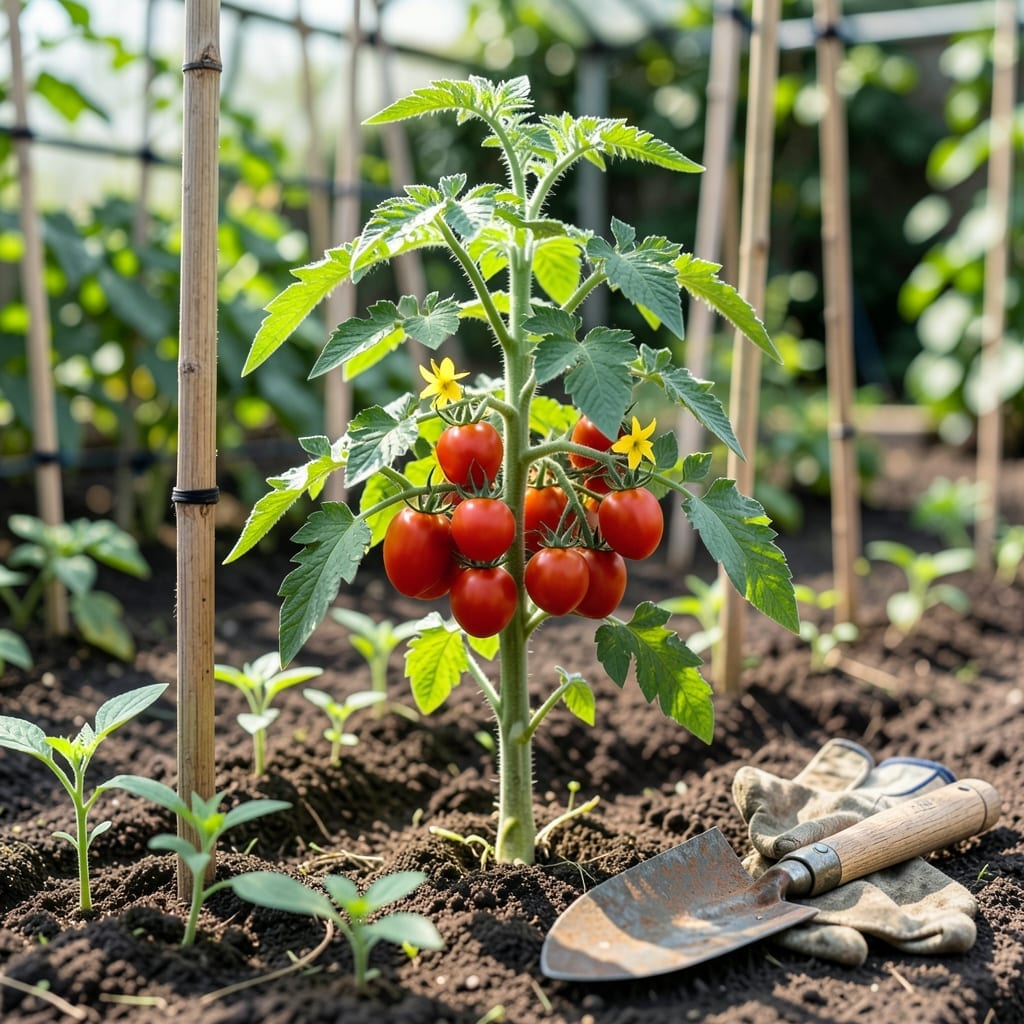
Picture this: your Roma tomato plants thriving with vibrant vines and plump, flavorful fruit. But without proper spacing, that dream can quickly turn into a tangled mess of disease and disappointing yields.
I’ve seen firsthand how crowded plants struggle for sunlight and airflow, stunting growth and inviting pests. The good news? A few simple spacing adjustments can transform your garden.
Discover the ideal distance to plant your 🍅 for maximum health and harvest. Let’s get it right from the start.

I’ve learned that proper spacing is the foundation of a thriving Roma tomato garden. Without it, plants compete for sunlight, water, and nutrients, leading to weak growth.
Good spacing ensures air circulation, which is critical for preventing fungal diseases like blight or powdery mildew. Crowded plants trap moisture, creating a breeding ground for pests.
🌱 Why Spacing Matters
Each Roma tomato plant needs room for its root system to spread and absorb nutrients efficiently. Too close, and roots tangle, stunting growth and reducing yields.
Sunlight exposure is another key factor. Roma tomatoes require full sun (6-8 hours daily). Proper spacing ensures every leaf gets the light it needs for photosynthesis.
I always remind gardeners that disease prevention starts with spacing. Fungal spores thrive in damp, crowded conditions. Give your plants breathing room to stay healthy.
Don’t overlook vertical space either. Roma tomatoes often need staking or caging, and adequate spacing makes it easier to manage vines as they grow.
In my experience, well-spaced plants also make harvesting easier. You’ll spot ripe tomatoes faster and avoid damaging vines when picking.
Finally, water distribution improves with proper spacing. Each plant gets its fair share of moisture without roots competing for every drop in the soil.
Remember, Roma tomatoes are determinate plants, meaning they grow to a set size. They still need space to reach their full potential and produce abundant fruit.
With the right spacing, you’ll enjoy healthier plants, fewer pests, and a bumper crop of delicious tomatoes this season ✂️
I’ve tested various spacing methods for Roma tomatoes and found the right distance varies by growing setup. Each method has unique needs to maximize plant health and yield.
In my garden, I adjust spacing based on whether I’m planting in rows, raised beds, or containers. The goal is always to give roots and vines enough room to thrive.
| Method | Plant Spacing | Row Spacing |
|---|---|---|
| In-Ground Rows | 18-24 inches | 36 inches |
| Raised Beds | 18 inches | 24 inches |
| Containers | 1 plant per 5-gal | N/A |
| Square Foot Gardening | 1 plant per sq ft | N/A |
For in-ground rows, I recommend 18-24 inches between plants and 3 feet between rows. This allows for easy access and proper airflow.
In raised beds, you can tighten spacing slightly to 18 inches apart with 2 feet between rows since the soil is typically looser and richer.
If you’re using containers, stick to one plant per 5-gallon pot. Roma tomatoes need depth for their roots, and crowding in pots leads to stress.
For square foot gardening, one plant per square foot works well. Roma tomatoes are determinate, so they won’t sprawl as much as indeterminate varieties.
Remember, these are guidelines. Adjust based on your soil quality, climate, and staking method. In hotter climates, extra space helps with heat dissipation ✂️