
Beautiful Plants For Your Interior
Beautiful Plants For Your Interior
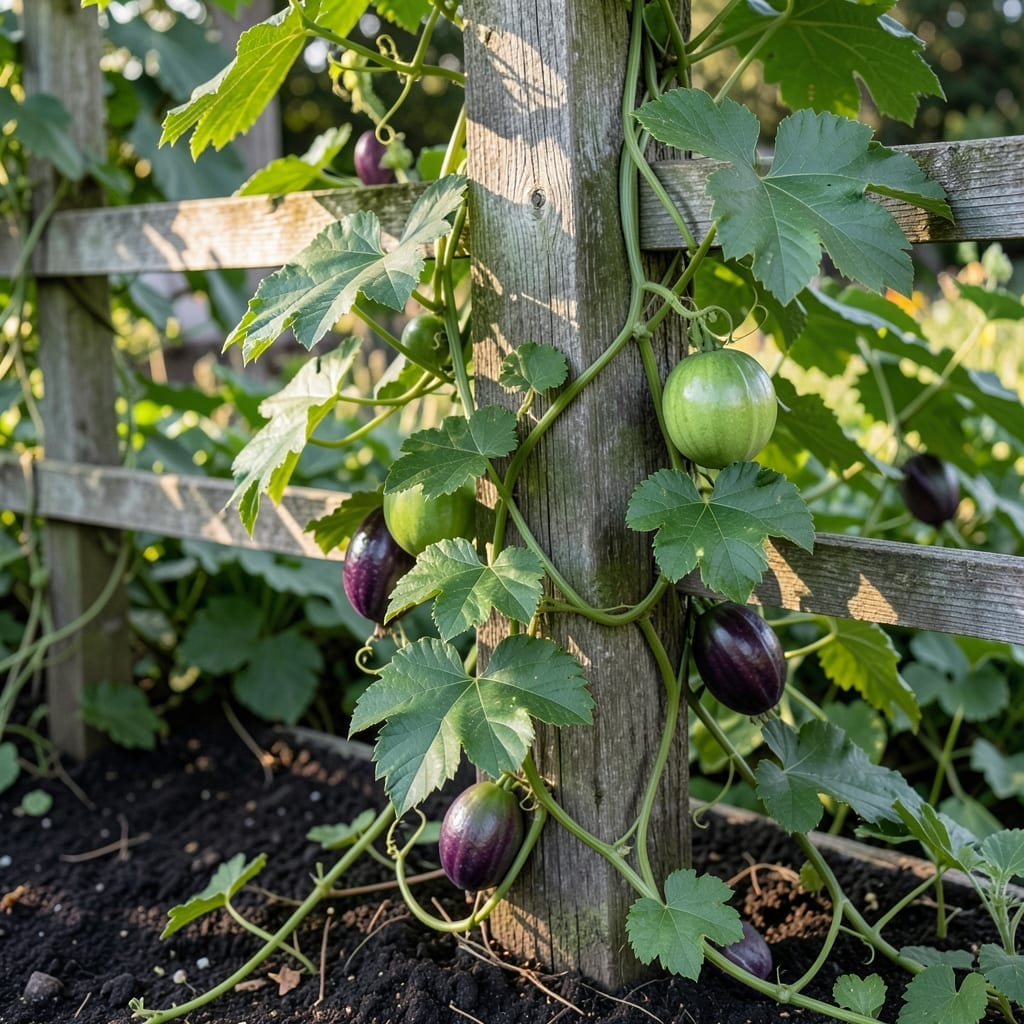
Knowing exactly when to harvest 🧡 Passion Fruit can mean the difference between tart disappointment and bursting sweetness. The right visual cues reveal the perfect ripeness every time.
I remember the first time I picked one too early – the flavor was a letdown. But once I learned the simple signs, every harvest delivered that tropical sweetness I was craving.
Whether you’re growing in Zone 9b or just bought some from the store, understanding the ripening process transforms your experience. It’s not about luck – it’s about observation.
Discover how to read your Passion Fruit’s language through color, texture, and timing. Your taste buds will thank you for paying attention to these details.
I’ve found that passion fruit gives clear signals when it’s ready to harvest. The first clue is the color change: green fruit turns deep purple for purple varieties or golden yellow for yellow types. This shift is your first visual confirmation. ☀️
Next, I look for texture changes. A ripe passion fruit develops wrinkled skin, which might seem counterintuitive but indicates peak sweetness. The fruit should also feel heavy for its size, a sign the pulp inside is juicy and ready. 🌱
| Sign | Description |
|---|---|
| Color | Purple or yellow (variety-specific) |
| Texture | Wrinkled skin, slightly soft |
| Weight | Feels heavy for size |
| Stem | Dries and shrinks |
The stem behavior is another giveaway. As passion fruit ripens, the stem dries out and shrinks. This is a subtle but reliable indicator that the fruit is nearing its prime. I always check this along with color and texture. ✂️
For purple passion fruit, the skin transitions from glossy green to a deep, dull purple. The wrinkles that form are a natural part of the ripening process, signaling the sugars inside have fully developed.
With yellow passion fruit, the change is equally dramatic. The skin turns from green to a vibrant golden yellow, and the same wrinkling occurs. This variety is often sweeter, so the color shift is a key moment to watch for.
I’ve learned that firmness matters too. A ripe passion fruit yields slightly to gentle pressure but isn’t mushy. If it’s rock-hard, it’s not ready. If it’s too soft, it may be overripe.
Another tip: listen for the rattle. When you shake a ripe passion fruit, you might hear the seeds moving inside. This is a good sign the pulp has loosened, making it perfect for harvesting.
Timing is everything. In my garden, passion fruit typically ripens 70-90 days after flowering. But I rely more on visual cues than the calendar, as weather and variety can affect the timeline. 🌿
If you’re growing multiple varieties, keep notes on their specific ripening signs. Purple varieties often ripen faster than yellow ones, so adjust your expectations accordingly.
Finally, don’t rush the process. Passion fruit ripens best on the vine, but if it falls to the ground, it’s usually ready. I gather fallen fruit immediately to prevent bruising or pest damage.
I’ve seen many gardeners ruin their harvest by picking passion fruit too early. The most common mistake is judging ripeness by color alone. A green fruit might still be weeks away from peak sweetness.
Another frequent error is ignoring fallen fruit. When passion fruit drops from the vine, it’s often at its ripest. Many assume it’s overripe, but this is actually nature’s way of saying it’s ready.
⚠️ Avoid These Ripening Pitfalls
Harvesting too early or too late can ruin flavor. Don’t refrigerate until fully ripe, and remember variety matters – purple and yellow types ripen differently.
Some gardeners make the mistake of storing unripe fruit in the fridge, which halts the ripening process completely. Room temperature is always best for natural ripening of passion fruit.
I’ve also noticed people mishandling the skin. A smooth skin doesn’t always mean unripe – some varieties stay relatively smooth. The wrinkling is more important than you might think.
Another overlooked factor is the stem behavior. When the stem dries and shrinks, it’s a clear sign your fruit is approaching perfect ripeness. This is often more reliable than color changes alone.
Finally, don’t assume all passion fruit varieties ripen the same. Purple types typically turn deep purple and wrinkle, while yellow varieties may stay smoother but develop a golden hue.
☀️