
Beautiful Plants For Your Interior
Beautiful Plants For Your Interior
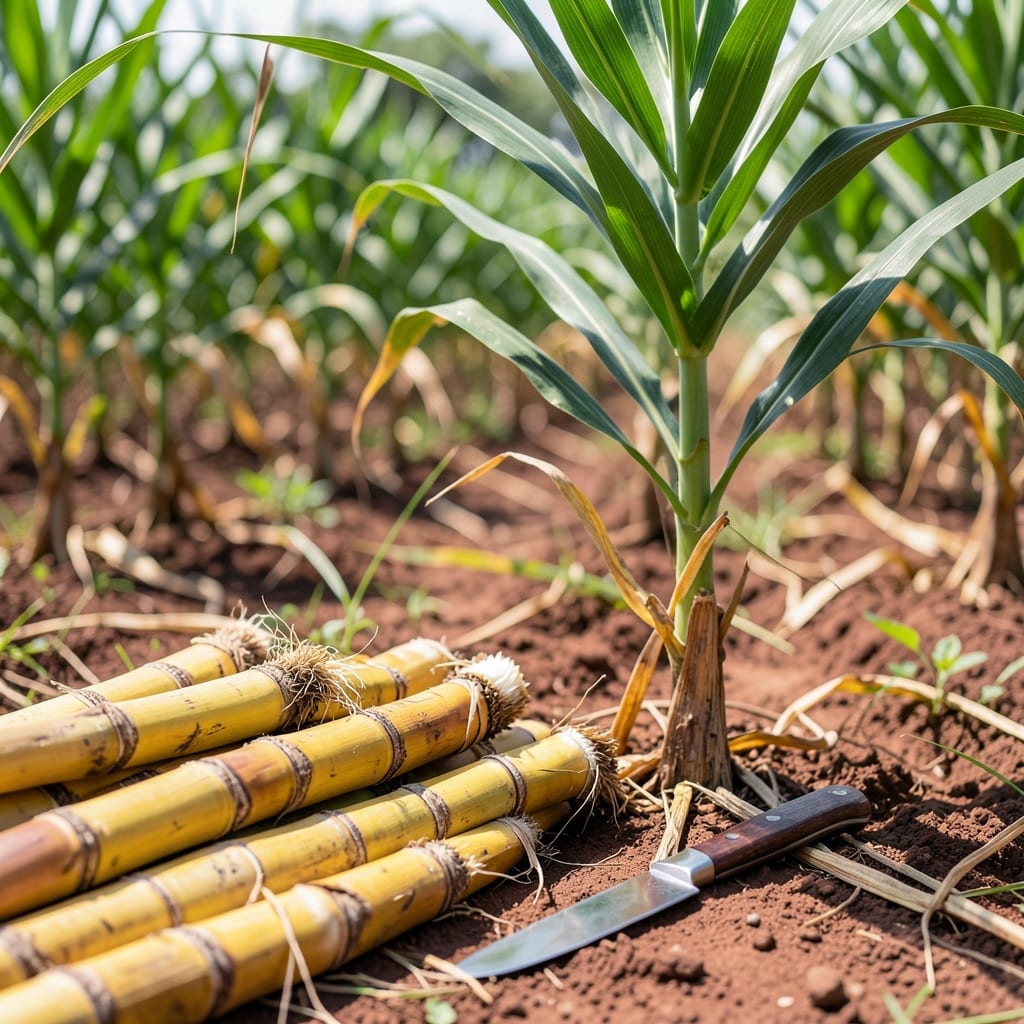
Nothing beats the satisfaction of harvesting 🌿 Sugarcane at its peak sweetness, but timing is everything. I’ve seen too many gardeners cut their stalks too soon or wait too long, missing that perfect window.
With the right knowledge, you can avoid these common mistakes. There are clear signs to look for—like yellowing lower leaves and hard, dry rinds—that tell you your crop is ready.
I’ll walk you through the most reliable visual and physical cues to identify ripe stalks. These aren’t guesses; they’re field-tested indicators used by seasoned growers.
By the end, you’ll know exactly when to harvest for the sweetest, most flavorful yield. Let’s get started on making this your best harvest yet.
Knowing when your sugar cane is ready for harvest is key to getting the sweetest yield. I’ve learned that relying on just one sign isn’t enough—you need to check multiple indicators to be sure. The stalk’s appearance and juice quality are your best clues.
First, I look for color changes in the lower leaves. When they start turning yellow or brown, it’s a strong signal that the plant is maturing. This happens as the sugar content increases and the plant prepares for harvest.
| Sign | Description |
|---|---|
| Yellowing Leaves | Lower leaves turn yellow or brown |
| Hard Rind | Stalk feels dry and firm |
| Sweet Juice | Juice tastes sweet and rich |
| Top Bends | Slight bend at the top |
| Dry Sheath | Leaf sheaths are dry and crisp |
The stalk firmness is another critical indicator. When I press my thumbnail into the rind, it should feel hard and dry. If it dents easily or feels soft, the cane isn’t ready yet. This hardness means the sugar has fully developed inside.
Next, I check the juice color and taste. I cut a small section and press it to extract juice. If it’s clear or pale yellow and tastes sweet, the cane is ripe. Watery or bland juice means it needs more time to mature.
A sound test can also help. I tap the stalk with my knuckles—a hollow, drum-like sound indicates ripeness. A dull thud suggests the cane is still immature. This method is quick and works well in the field.
The top of the stalk often bends slightly when the cane is ready. This happens because the weight of the sugar inside makes the stalk heavier. Combined with the other signs, this bend is a great confirmation of ripeness.
Finally, I look at the leaf sheaths. They should be dry and crisp to the touch. Green, moist sheaths mean the plant is still growing. Dry sheaths signal that the plant has stopped growing and is focusing on sugar storage.
I always double-check at least 3 of these signs before harvesting. This ensures I don’t cut the cane too early or too late. Timing it right means the best flavor and the highest sugar content for my harvest.
With these methods, I’ve never had a disappointing harvest. It’s all about patience and observation to get it just right.
Timing your sugar cane harvest right means sweeter stalks. In tropical climates, the best window is typically late summer to early fall, when sugar content peaks after a long growing season. ☀️
The ideal period often aligns with dry weather and cooler nights, which help concentrate sugars in the stalks. For subtropical regions, aim for October through December to avoid frost risks. 🌿
Temperature plays a huge role. Sugar cane thrives in 75-90°F ranges, and cooler nights before harvest can boost sucrose levels significantly. Monitor local weather patterns closely. 🌡️
Rainfall can delay ripeness. Excess moisture dilutes sugar concentration, so I always check that the stalks aren’t waterlogged before cutting. A dry spell of 2-3 weeks before harvest is ideal.
In USDA Zone 9b, where sugar cane grows well, the 300 frost-free days give plenty of time. I start checking stalks around 300 days after planting, but 365 days often yields the sweetest results.
Finally, taste-testing is foolproof. I sample juice from a few stalks to confirm sweetness and clarity. If it’s watery or bland, the cane needs more time. Patience pays off with the best harvests. ✂️