
Beautiful Plants For Your Interior
Beautiful Plants For Your Interior
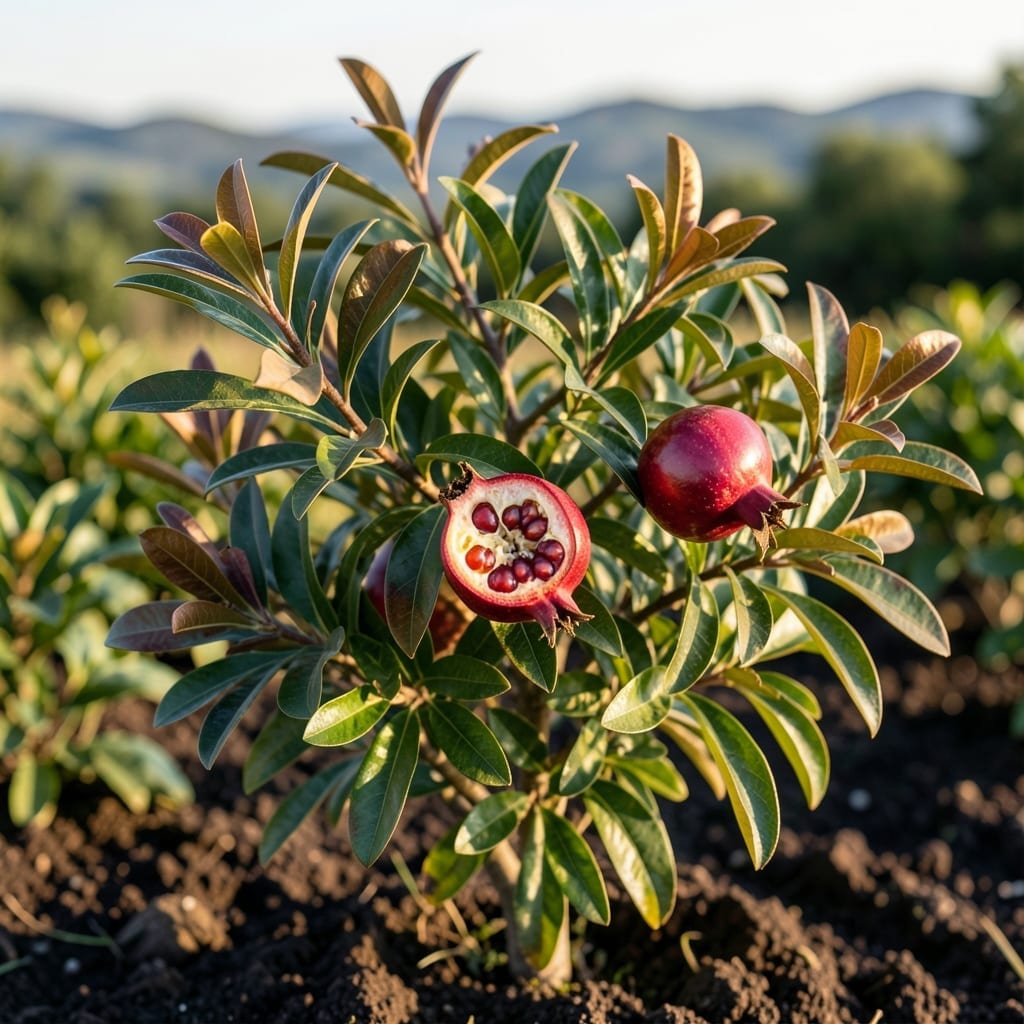
Nothing beats the disappointment of cutting into a 🍇 Pomegranate expecting sweetness, only to find it’s still tart and underripe. I’ve been there, and it’s why learning the exact visual cues for ripeness is so important.
With the right knowledge, you’ll never second-guess whether your fruit is ready to pick. The color transformation alone can tell you so much, but there are other signs to watch for too.
From the deep, rich hues to the subtle texture changes, I’ll walk you through what to look for. These simple checks take seconds and ensure you harvest at the peak of flavor.
Let’s discover how to get that perfect, juicy bite every time.


As a gardener, I know that ripe pomegranate color varies by variety, making it essential to recognize the subtle differences. The most common Wonderful pomegranate shifts from green to a deep reddish-purple when fully ripe.
Meanwhile, the Eversweet variety turns a pale pink to light red, while Angel Red develops a bright red hue. These color changes signal the perfect time for harvest.
| Variety | Ripe Skin Color | Aril Color | Climate Suitability |
|---|---|---|---|
| Wonderful | Deep reddish-purple | Ruby red | Warm climates |
| Eversweet | Pale pink to light red | Clear pink | Moderate climates |
| Angel Red | Bright red | Deep red | Cooler regions |
I always remind fellow gardeners that color alone isn’t the only indicator. For Wonderful pomegranates, the skin should transition from green to deep red with a slightly leathery texture.
The Eversweet variety can be tricky because its lighter skin might not look as ripe as darker types. However, its arils turn translucent when ready, which is a clear sign.
For Angel Red pomegranates, the shift to bright red is more obvious, but I check for consistent color across the entire fruit. Any green patches mean it needs more time.
Regional climate conditions also affect ripening. In warmer zones, pomegranates may develop deeper colors faster, while cooler areas might need extended time on the tree.
I’ve noticed that sun exposure plays a role too. Fruits on the sunniest side of the tree often ripen first, showing more vibrant colors earlier than shaded ones.
If you’re growing multiple varieties, like I do, keep a color reference chart handy. It helps compare the ripe pomegranate color between types and ensures you harvest each at its peak.
Remember, under-ripe pomegranates often have duller colors and harder arils. The rich, jewel-toned skins we love are nature’s way of saying, “I’m ready!”
Lastly, I recommend checking the stem end of the fruit. A dry, brown stem often confirms ripeness, especially when paired with the right color for your variety.
While ripe pomegranate color is the first clue, I always check multiple indicators to confirm harvest readiness. Color alone can be deceiving, especially with early varieties that may look mature before they truly are.
I rely on texture and weight as much as hue. A truly ripe pomegranate feels heavy for its size and has skin that’s just beginning to soften under gentle pressure.
The tapping test is my favorite quick check. Hold the fruit near your ear and tap it with your finger – a metallic ring indicates ripeness, while a dull thud means it needs more time.
For stem color changes, I watch for the transition from green to wooden brown. This usually happens about 2 weeks before peak ripeness, giving me time to prepare my harvest tools.
I always check the arils through the skin too. When they appear plump and deep red through the thin outer layer, I know it’s time. This visual cue works especially well with Wonderful variety pomegranates.
Remember, harvesting too early means tart fruit, while waiting too long risks splitting or spoilage. I aim for that perfect window when all these signs align.
In my experience, the combination of color, weight, and sound never fails to identify the ideal harvest moment. Trust these cues and you’ll enjoy the sweetest pomegranates every season 🌿