
Beautiful Plants For Your Interior
Beautiful Plants For Your Interior
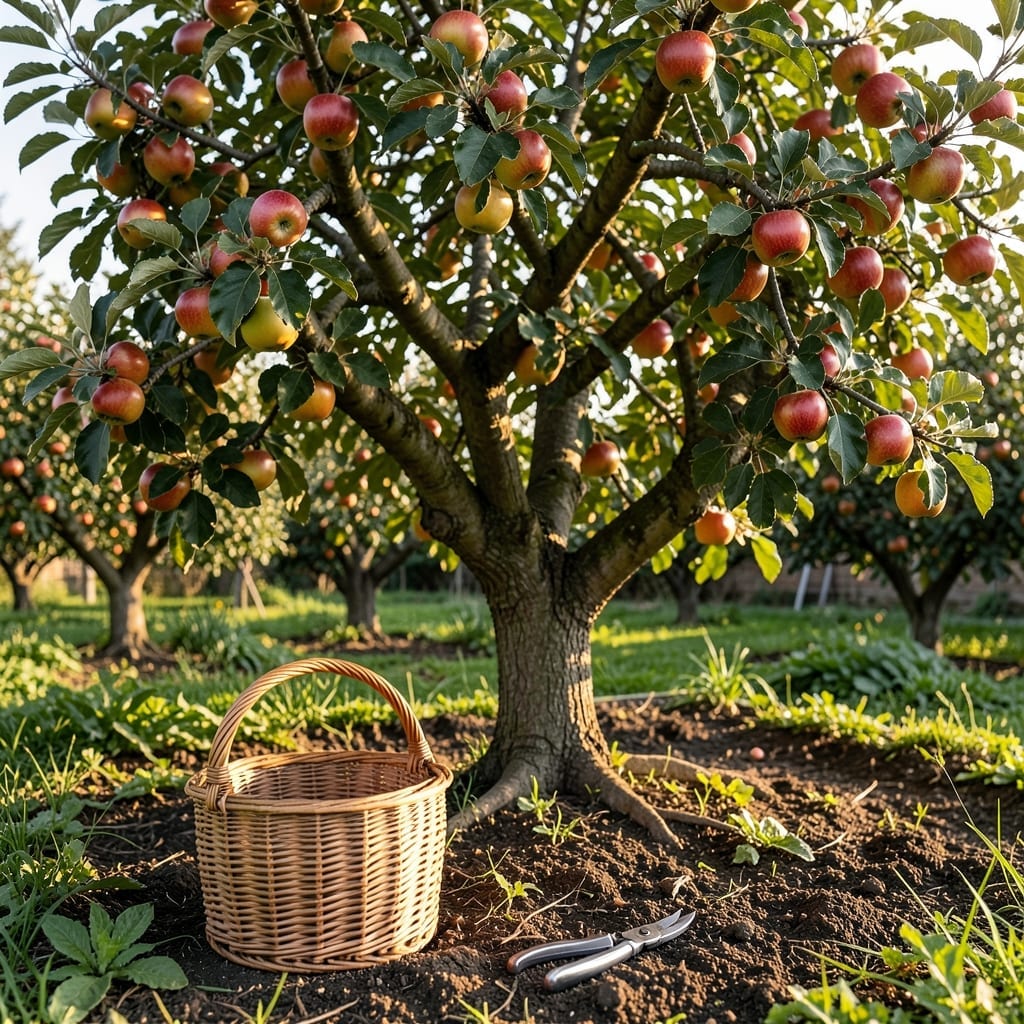
Knowing the exact moment when fruit reaches its peak ripeness can mean the difference between a bland harvest and bursting flavor. I’ve learned that timing is everything when it comes to picking the perfect produce.
With the 🍎 Fruit Tree, the window for harvesting typically spans from July to October. But how do you know it’s truly ready? The signs are subtle yet unmistakable if you know what to look for.
From color shifts to gentle pressure tests, there are clear indicators that your fruit is at its prime. I’ll walk you through the visual, tactile, and olfactory cues that guarantee a flavorful pick every time.
Discover how to master the art of harvesting at the right moment and enjoy the sweetest rewards of your labor.
I’ve found that recognizing ripe fruit starts with understanding each fruit type’s unique signals. For example, tomatoes shift from green to deep red and feel slightly soft when ready.
Berries like strawberries turn fully red and detach easily from the stem, while blueberries develop a dull, powdery coating called bloom.
| Fruit Type | Visual Sign | Texture Cue |
|---|---|---|
| Tomatoes | Deep red color | Slightly soft |
| Strawberries | Fully red | Easy stem separation |
| Blueberries | Dull, powdery bloom | Plump and firm |
| Melons | Stem slips easily | Sweet aroma at stem |
Stone fruits like peaches and plums give off a sweet fragrance and yield slightly to gentle pressure when ripe. I always check the stem end—if it’s soft and fragrant, it’s ready.
For melons, I look for a creamy yellow spot where they rested on the ground and a sweet smell at the stem. The stem should also slip off easily when lifted.
Apples are trickier—they often ripen from the inside out. I twist one gently; if it comes off cleanly with the stem intact, it’s ready. Color alone isn’t always reliable.
With citrus fruits, heavy weight for their size and a slightly soft skin indicate ripeness. I also check for full color development, as green patches mean they’re not ready.
Grapes should be plump and firm with a rich color. I taste-test one or two—if they’re sweet and juicy, the whole bunch is likely ready.
For pineapples, I look for golden-brown skin at the base and a sweet smell at the stem. The leaves should pull out easily when tugged gently.
I’ve learned that tactile tests are just as important as visual ones. A gentle squeeze can reveal if a fruit yields slightly, which is a sure sign of ripeness for many varieties. ☀️
Timing your fruit harvest perfectly ensures the best flavor and longest shelf life. I always aim for the cool morning hours to pick fruits like berries and melons when their sugars are most concentrated.
Some fruits, like tomatoes and stone fruits, ripen best on the vine. Others, such as apples and pears, should be picked just before they reach full ripeness to prevent oversoftening.
I’ve noticed that seasonal timing matters just as much as the time of day. For example, strawberries peak in early summer, while apples are best in early fall after a full growing season.
Always check the weather forecast before harvesting. Picking before a rain prevents fruits like grapes and cherries from splitting due to excess moisture. Dry conditions ensure cleaner, longer-lasting produce.
For tree fruits, I use the “twist test”—if the fruit separates easily from the stem with a gentle twist, it’s ready. This works well for peaches, plums, and nectarines.
Finally, trust your senses. A sweet aroma at the stem end is a sure sign of ripeness for many fruits. With practice, you’ll develop an instinct for the perfect harvest window every time. 🌱