
Beautiful Plants For Your Interior
Beautiful Plants For Your Interior
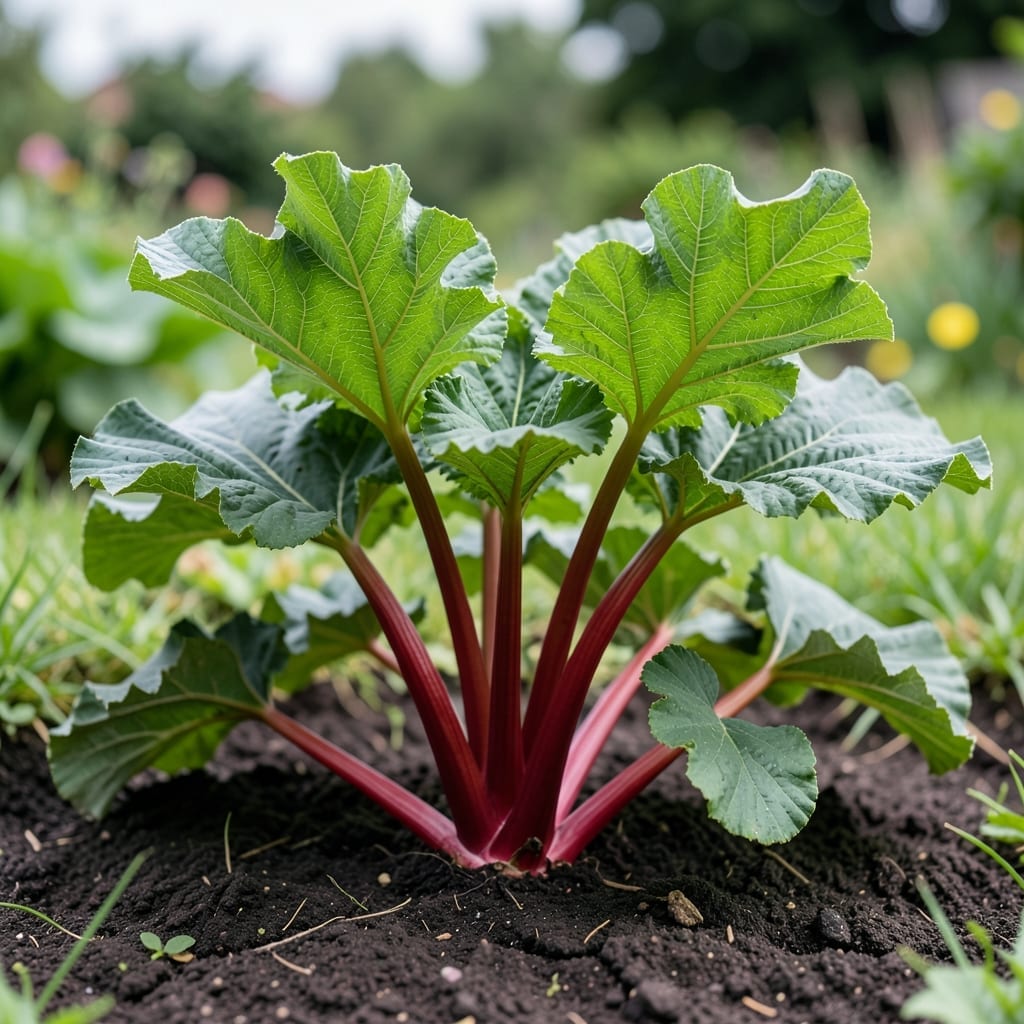
Rhubarb thrives with the right light conditions, but too much sun or shade can sabotage your harvest. Discover the perfect balance for healthy, productive stalks year after year.
The 🌱 Rhubarb plant is more adaptable than you might think, flourishing in zones 3-8 with proper care. Many gardeners assume it needs constant sunlight, but that’s not always the case.
I’ll share how to optimize light exposure for your rhubarb, whether you have a sunny backyard or a shadier spot. Small adjustments can lead to a bountiful harvest.
Let’s explore the ideal light conditions and debunk common myths so you can grow the best rhubarb possible. It’s easier than you think!
 Best Window Placement
I’ve found that rhubarb is surprisingly adaptable when it comes to light. While many assume it needs full sun to thrive, it actually does well in partial shade too. The key is understanding its ideal conditions.
In my experience, 6+ hours of sunlight is perfect for rhubarb, but it can tolerate less. The plant’s large leaves help it capture light efficiently, even in shadier spots. This makes it a great option for gardens with mixed light conditions.
| Requirement | Specification |
|---|---|
| Ideal Light | Full sun to partial shade |
| Minimum Sun | 4-6 hours daily |
| Best for Growth | Morning sun, afternoon shade |
| Tolerates | Full shade (but growth slows) |
For the healthiest rhubarb, I recommend morning sunlight with some afternoon shade, especially in hotter climates. This prevents the leaves from scorching while still giving the plant enough energy to produce those vibrant stalks we love.
In cooler regions, like USDA zones 3-5, rhubarb can handle more sun. But in warmer areas, such as zone 8, partial shade becomes essential. I’ve seen plants wilt in the heat when they don’t get that afternoon break from the sun.
If you’re growing rhubarb in containers, place them where they’ll get eastern exposure. A south-facing window works too, but watch for signs of light stress, like yellowing leaves or weak stalks.
One thing I’ve noticed is that too much shade leads to thin, leggy stalks. The plant puts all its energy into reaching for light instead of growing thick, edible stems. If your rhubarb looks sparse, it might need more sun.
On the flip side, too much direct sun in hot climates can cause leaf scorch. The edges turn brown and crispy, which is the plant’s way of saying, “I need a break!” Mulching around the base helps retain moisture and keep roots cool.
For the best results, I suggest testing different spots in your garden. Plant a few rhubarb crowns in full sun and a few in partial shade. You’ll quickly see which location your plants prefer based on their growth and stalk thickness.
Remember, consistency is key. Rhubarb doesn’t like sudden changes in light conditions. If you’re moving plants, do it gradually to avoid shocking them. With the right balance, you’ll enjoy bountiful harvests for years to come. ☀️
I’ve found that rhubarb adapts well to different light scenarios, but small tweaks can maximize your harvest. In hotter climates, afternoon shade prevents leaf scorch.
For cooler regions, full sun is ideal, but even 4-6 hours of direct light with dappled shade works. The key is consistent moisture in shaded spots.
If your garden has limited sunlight, focus on soil health. Rich, well-draining soil compensates for less light. I add compost every spring for a boost.
In partial shade, rhubarb grows taller with thinner stalks. It’s still edible but may need staking for support. Try mulching to retain moisture.
For container gardening, place pots where they get morning sun and afternoon shade. This mimics ideal natural conditions for rhubarb growth.
Remember, even in less-than-perfect light, rhubarb is hardy. With these adjustments, you’ll see stronger plants and better yields every season. ☀️