
Beautiful Plants For Your Interior
Beautiful Plants For Your Interior
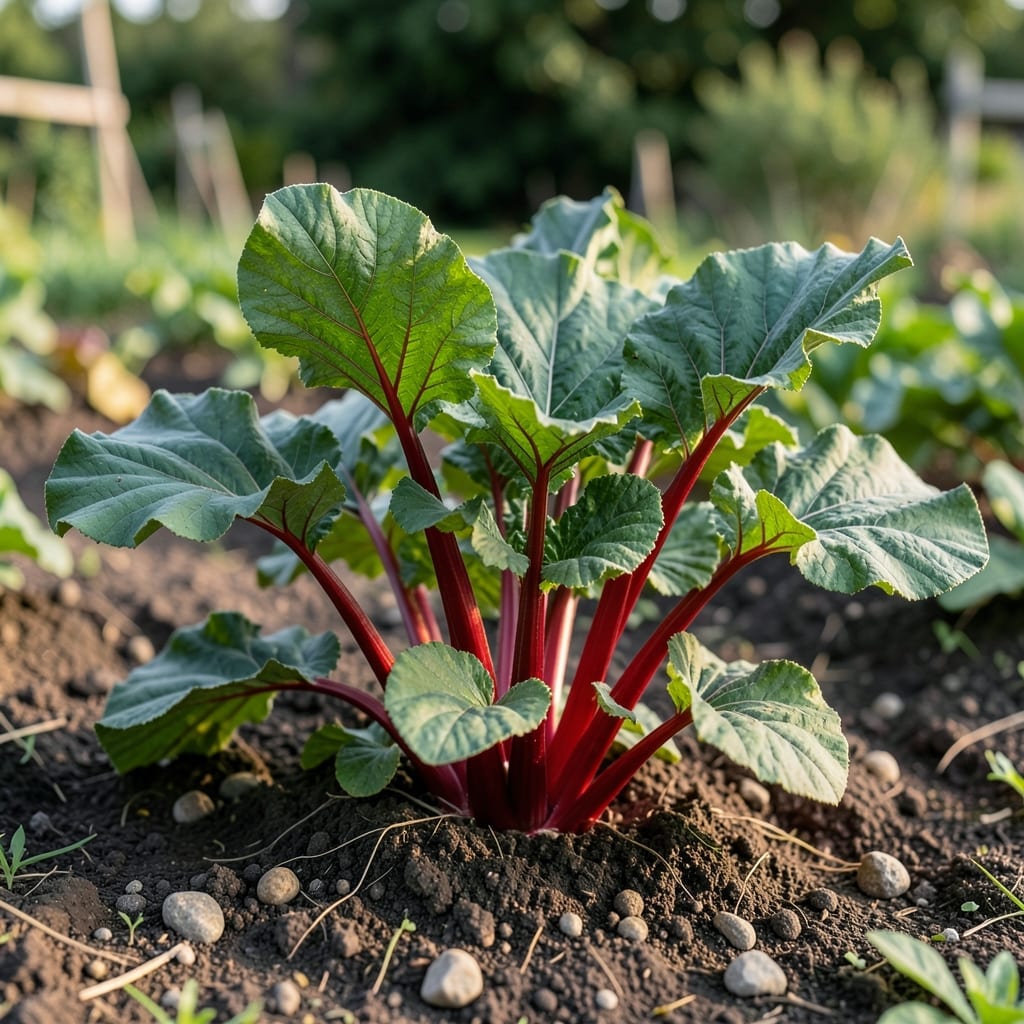
Getting your rhubarb light requirements right can mean the difference between a thriving harvest and a lackluster one. Too much sun can scorch the leaves, while too little leaves you with weak, spindly stalks.
I’ve seen gardeners struggle with this balance, but the solution is simpler than you think. The 🌱 Rhubarb plant is surprisingly adaptable, but it does have its preferences.
With the right approach, you can create the ideal conditions for healthy growth. Whether you’re planting in Zone 3-8 or adjusting for your microclimate, light plays a crucial role.
Discover how to give your rhubarb the perfect amount of sunlight and watch it flourish like never before.

I’ve found that rhubarb plants thrive with 6-8 hours of direct sunlight daily. This sweet spot ensures robust stalk production and vibrant leaf health. Anything less, and you’ll notice weaker growth and smaller yields.
In my experience, partial shade tolerance exists, but it’s not ideal. Rhubarb can handle 4-6 hours of sun, especially in hotter climates, but full sun is best for maximum productivity.
| Requirement | Specification |
|---|---|
| Ideal Sunlight | 6-8 hours daily |
| Minimum Sunlight | 4-6 hours daily |
| Light Type | Direct to bright indirect |
| Best Window | South or west-facing |
Seasonal adjustments are key. In cooler climates, aim for the upper end of the sunlight range. In hotter regions, afternoon shade can prevent heat stress and leaf scorch.
I always recommend morning sun as the most beneficial. It’s less intense and helps dry dew from leaves, reducing the risk of fungal diseases. This is especially important for rhubarb’s large, moisture-trapping leaves.
Light intensity directly impacts stalk production. Plants in full sun typically produce thicker, more abundant stalks. In shadier spots, expect thinner stalks and a longer time to maturity.
For container gardening, place your rhubarb pots where they’ll get at least 6 hours of sun. Balconies with southern exposure work well, but watch for overheating in metal containers.
If your garden has dappled shade from trees, rhubarb can still grow, but monitor its progress. You may need to thin nearby branches to allow more light through as the season progresses.
In my own garden, I’ve noticed that east-facing beds provide a good compromise. They get gentle morning sun and protection from harsh afternoon rays, which works well in my Zone 6 climate.
Remember, consistent light is more important than perfect conditions. Rhubarb is hardy and can adapt, but sudden changes in light exposure can stress the plant and reduce yields.
☀️
When rhubarb plants don’t receive enough light, they send clear distress signals. Look for thin, weak stalks that fail to thicken properly, or yellowing leaves that lack their usual vibrancy. These are classic signs of light deprivation in rhubarb.
Another red flag is stunted growth or smaller-than-average leaves. Rhubarb thrives with 6-8 hours of sunlight daily, and without it, the plant conserves energy, resulting in sparse foliage and poor stalk production.☀️
If your rhubarb plant is struggling, check its sunlight exposure. In hot climates, afternoon shade can prevent heat stress, while in cooler regions, full sun is ideal for robust growth. Adjusting the location can make a world of difference.
For container-grown rhubarb, ensure the pot is placed where it can get at least 6 hours of direct sunlight. A south-facing balcony or patio is often the best spot. Rotate the container occasionally to promote even growth.
Don’t overlook the soil conditions either. Even with perfect light, poor drainage or compacted soil can hinder your rhubarb’s ability to absorb nutrients. Pair good light with well-draining, fertile soil for the best results.
Finally, remember that young rhubarb plants may need a little extra care. They’re more sensitive to light fluctuations, so monitor them closely during their first growing season. With the right care, they’ll reward you with bountiful harvests for years to come.🌱