
Beautiful Plants For Your Interior
Beautiful Plants For Your Interior
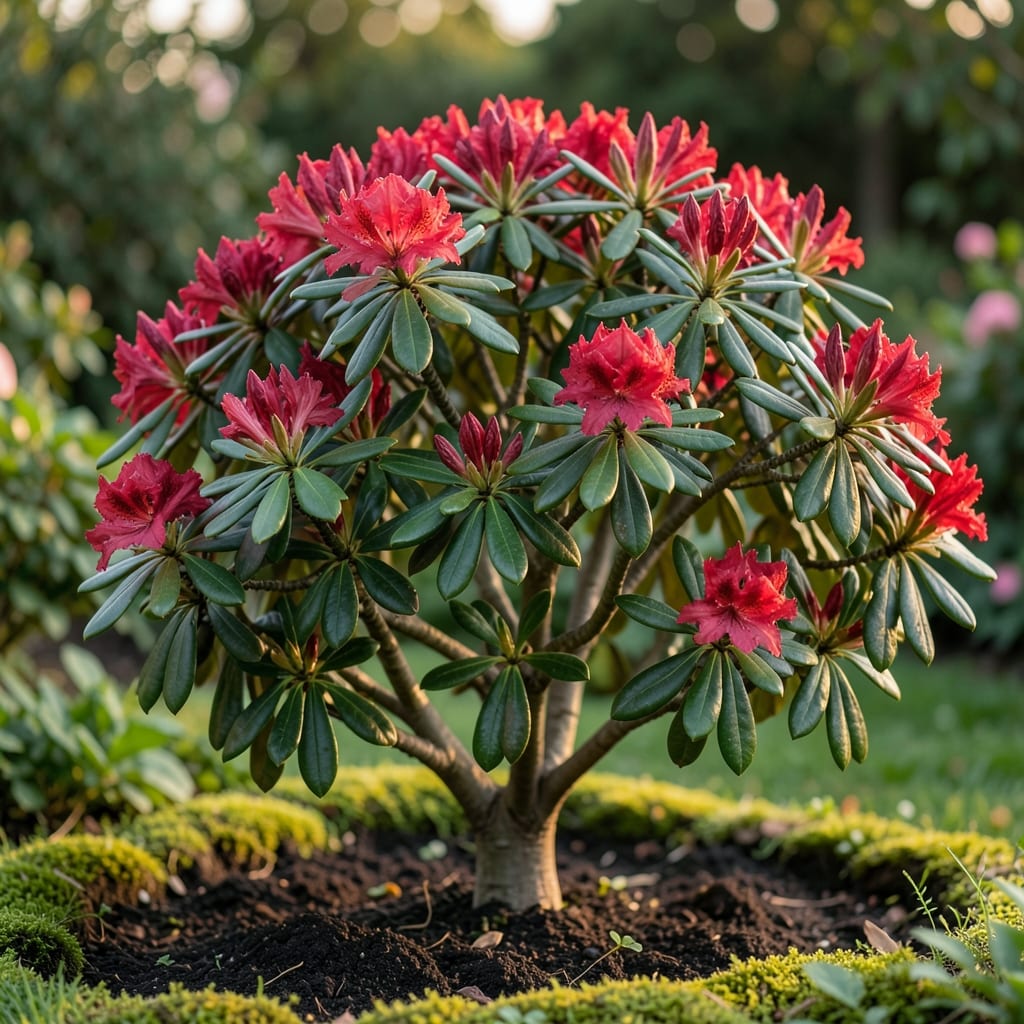
Red leaves on your rhododendron aren’t just unsightly—they’re a distress signal. I’ve seen this enough times to know it’s usually fixable with the right diagnosis.
Most cases boil down to 3 common issues: nutrient deficiency, water stress, or sunburn. The pattern of reddening tells you which one you’re dealing with—older leaves vs. new growth makes all the difference.
With 2-3 weeks of targeted care, you can reverse the damage. The key is acting fast before the plant’s health spirals. I’ve saved plants that looked hopeless with simple adjustments.
Works for all rhododendron varieties, from dwarf shrubs to towering specimens. Here’s how to pinpoint the problem.
Rhododendron leaves turning red often signal underlying stress or environmental imbalances. Below are the most common causes, explained with actionable insights.
Cold snaps or heatwaves can trigger anthocyanin production, a pigment that turns leaves red as a protective response. Rhododendrons thrive in 60–70°F (15–21°C); temperatures below 32°F (0°C) or above 85°F (29°C) disrupt chlorophyll, revealing red hues. Solution: Use mulch to insulate roots in winter and provide afternoon shade in summer.
A lack of phosphorus (P) or magnesium (Mg) often causes reddening, especially in older leaves. Phosphorus deficiency leads to purplish-red tones, while magnesium shortage creates interveinal redness. Test soil pH—rhododendrons need 4.5–5.5 (acidic). Amend with sulfur or chelated iron if pH is too high.
Phytophthora root rot or leaf spot diseases can stress the plant, leading to red discoloration. Waterlogged soil invites fungi, which block nutrient uptake. Prevent: Improve drainage, avoid overhead watering, and apply fungicide (e.g., copper-based) at first signs of wilting or spots.
Newly planted or repotted rhododendrons may develop red leaves due to root disturbance. Stress triggers a survival response, diverting energy from chlorophyll. Fix: Water deeply post-transplant, use anti-stress fertilizers (e.g., seaweed extract), and avoid fertilizing for 4–6 weeks.
Too much direct sunlight can bleach chlorophyll, leaving red pigments dominant. Rhododendrons prefer dappled shade. Remedy: Relocate to a shadier spot or use shade cloth (30–50% blockage) during peak sun hours.
Here’s how to tackle the most common causes of red leaves on your rhododendron, with simple, actionable fixes and tips to keep them from returning.
If the issue is a lack of magnesium or nitrogen, apply a balanced, acid-loving plant fertilizer (look for a 10-10-10 or 12-4-8 NPK ratio). For magnesium, sprinkle 1 tablespoon of Epsom salt around the base and water deeply. Prevention tip: 💡 Fertilize in early spring and again after blooming to maintain nutrient levels.
Let the top 1-2 inches of soil dry out between waterings. If the soil stays soggy, improve drainage by mixing in pine bark fines or perlite. For potted plants, ensure the pot has drainage holes. Prevention tip: 🌡️ Use a moisture meter to avoid guesswork—rhododendrons like consistent moisture but hate wet feet.
Move container-grown rhododendrons to a spot with dappled shade, or use shade cloth for in-ground plants. If leaves are crispy and red, trim the damaged ones to help the plant recover. Prevention tip: ✨ Plant in a north- or east-facing location where they get gentle morning sun and afternoon shade.
For fungal problems like leaf spot, remove and destroy infected leaves. Apply a copper-based fungicide or neem oil spray, following label instructions. Prevention tip: 🎯 Space plants for good airflow, water at the base (not overhead), and clean up fallen debris regularly.
If red leaves appear after a frost, wrap the plant in burlap or use a frost blanket. Mulch heavily around the base with straw or pine needles to insulate roots. Prevention tip: 🌲 Choose cold-hardy rhododendron varieties if you live in a region with harsh winters.
Yes, new leaves may appear reddish before maturing to green. This is natural for some varieties. However, if older leaves turn red, it likely signals stress or deficiency.
With proper care, new green growth should appear within 2-3 weeks. Severely damaged leaves won’t recover, but new ones will. Consistency in watering and feeding speeds up the process.
Too much fertilizer, especially high-nitrogen types, can burn roots and stress the plant, leading to reddening. Always follow the recommended dosage on the package.
They thrive in acidic soil with a pH between 4.5–5.5. Test your soil and amend with sulfur or pine bark if it’s too alkaline. Maintaining this range prevents nutrient lockout.