
Beautiful Plants For Your Interior
Beautiful Plants For Your Interior
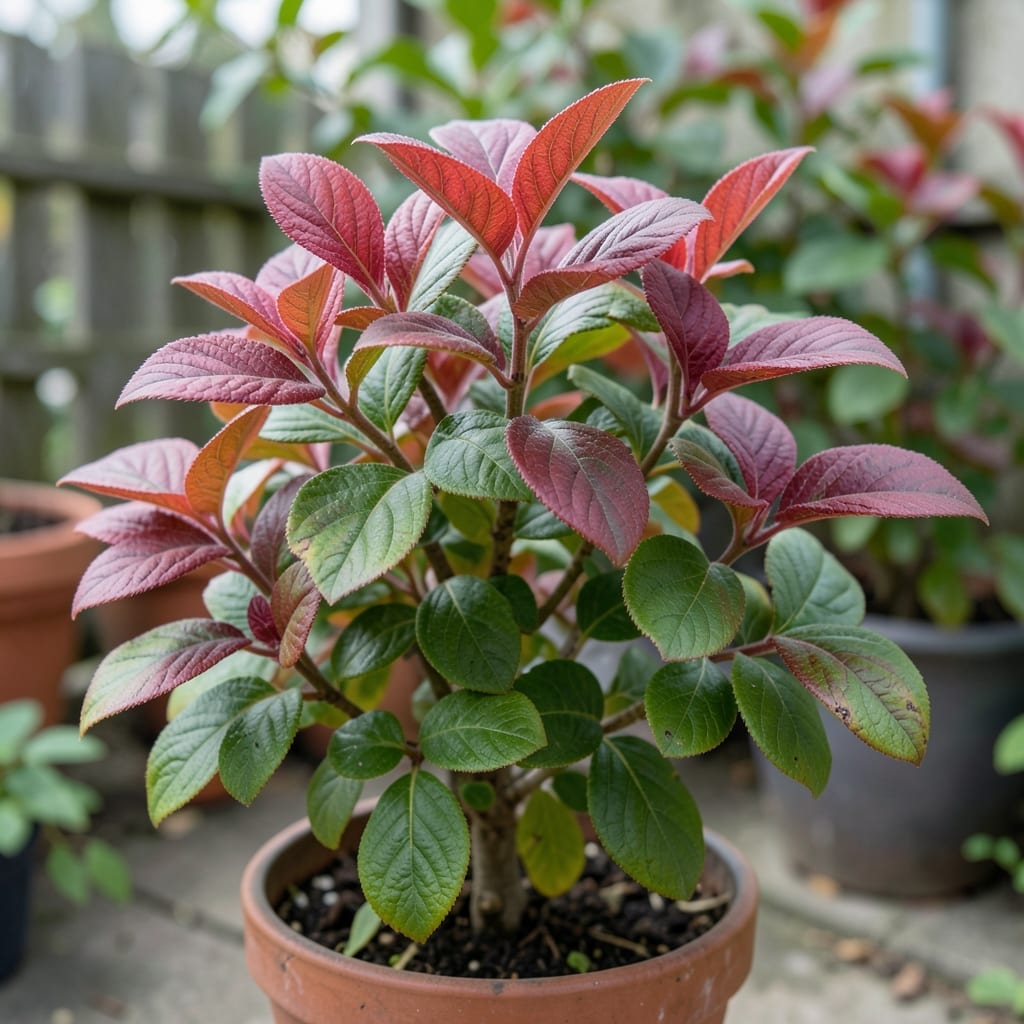
Red leaves on blueberries in summer always signal trouble. I’ve seen this happen when plants face either nutritional stress or sun scorch, and both require fast action to save the harvest.
Check your soil’s pH and phosphorus levels first—blueberries need acidic conditions. Then look for wilting or crispy edges, which point to heat damage. Either way, the fix often starts with shade and proper feeding.
Quick fixes for stressed blueberries. Most of this is already in your shed.
| Ingredient | Amount | Notes |
|---|---|---|
| Soil pH Test Kit 🌡️ | 1 piece | Digital or liquid type |
| Acidic Fertilizer 🧪 | 2 lbs | For blueberries, sulfur-coated |
| Elemental Sulfur 🪨 | 1 lb | To lower soil pH |
| Shade Cloth ☀️ | 1 piece | 30-40% density |
| Mulch 🪵 | 3 gallons | Pine bark or needles |
| Organic Compost 🌾 | 1 bag | Well-aged, acidic |
| Garden Spade 🔧 | 1 piece | For soil amendment |
| Watering Can 💧 | 1 piece | With fine rose attachment |
[recipe_ingredient_scaler]
The pH test kit is non-negotiable here. Digital meters from Home Depot or Lowe’s give fast, accurate reads—liquid kits work too but take longer. Look for kits that test 4.0-7.0 range specifically. Acidic fertilizers labeled for blueberries save guesswork; I grab Miracid when I’m in a hurry (the good stuff, not the generic brands).
No shade cloth? A bedsheet stretched over stakes works in a pinch for afternoon sun. Mulch can be pine straw or wood chips (or whatever acidic organic matter you’ve got). If elemental sulfur’s hard to find, aluminum sulfate works faster but requires careful dosing—trust me on this one.
Store leftover sulfur and fertilizer in a dry shed—they clump if exposed to moisture. Shade cloth folds compact for winter storage. I keep a planting journal to track pH adjustments and leaf color changes over time.
Here’s the method I use to diagnose and correct reddening blueberry leaves in summer.
Use the soil pH test kit to check your soil’s acidity. Blueberries require a pH between 4.5-5.5. Insert the probe 4-6 inches deep near the drip line of the plant for the most accurate reading.
If the pH reads above 5.5, amend with the 1 lb elemental sulfur by sprinkling it evenly around the base of each plant and working it into the top 2-3 inches of soil using the garden spade. This lowers pH gradually over several weeks. Retest after 4-6 weeks to monitor progress.
Even with proper pH, blueberries may show red leaves if starved for nutrients. Use the 2 lbs acidic fertilizer specifically formulated for acid-loving plants. Apply according to package instructions, typically 1 tablespoon per plant scattered around the root zone.
Water thoroughly with the watering can after application to help nutrients penetrate the soil. Avoid over-fertilizing, which can cause leaf burn. You should see greener new growth within 2-3 weeks if nutritional stress was the primary issue.
Summer sun can be intense, especially in hotter climates. Drape the shade cloth over the plants to provide 30-40% shade, particularly during the hottest part of the day between 12 PM and 4 PM. Secure it loosely to allow for air circulation.
Watch for improvement in leaf color within 7-10 days. If reddening stops and new leaves emerge green, sun scorch was likely the culprit. Remove the shade cloth during cooler days to ensure plants still receive adequate light for photosynthesis.
Spread the 3 gallons mulch evenly around the base of each plant, maintaining a 2-3 inch layer but keeping it 3 inches away from the stem to prevent rot. Pine bark or needle mulch is ideal as it slowly acidifies the soil as it breaks down.
Incorporate the 1 bag organic compost into the top 1-2 inches of soil around the plants. This improves soil structure and provides a steady supply of nutrients. Both mulch and compost help retain moisture, which is crucial during summer heat. Reapply mulch annually as it decomposes.
In the Lone Star State, blueberry bushes thriving in hot, dry climates may develop red leaves due to intense sunlight and water stress. Gardeners often combat this by providing afternoon shade and consistent irrigation. The region’s alkaline soil can also contribute, so amending with peat moss or sulfur helps maintain optimal pH levels.
The humid subtropical climate of the Carolinas can lead to reddening leaves if blueberries face nutrient deficiencies, particularly magnesium or iron. Here, growers focus on acid-loving fertilizers and mulching with pine bark to retain moisture and lower soil pH. Regular foliar sprays can also address micronutrient shortages.
Midwestern summers bring fluctuating temperatures and occasional drought, stressing blueberry plants. Red leaves may signal heat stress or over-exposure. Local gardeners recommend drip irrigation to keep roots cool and organic mulch to regulate soil temperature. Shade cloths are a popular fix during peak heatwaves.
In Memphis, the combination of high humidity and poor air circulation can cause fungal issues, leading to red or purple leaf discoloration. Growers prioritize proper spacing and fungicide applications to prevent diseases like anthracnose. Ensuring good drainage and pruning for airflow are key practices in this region.