
Beautiful Plants For Your Interior
Beautiful Plants For Your Interior
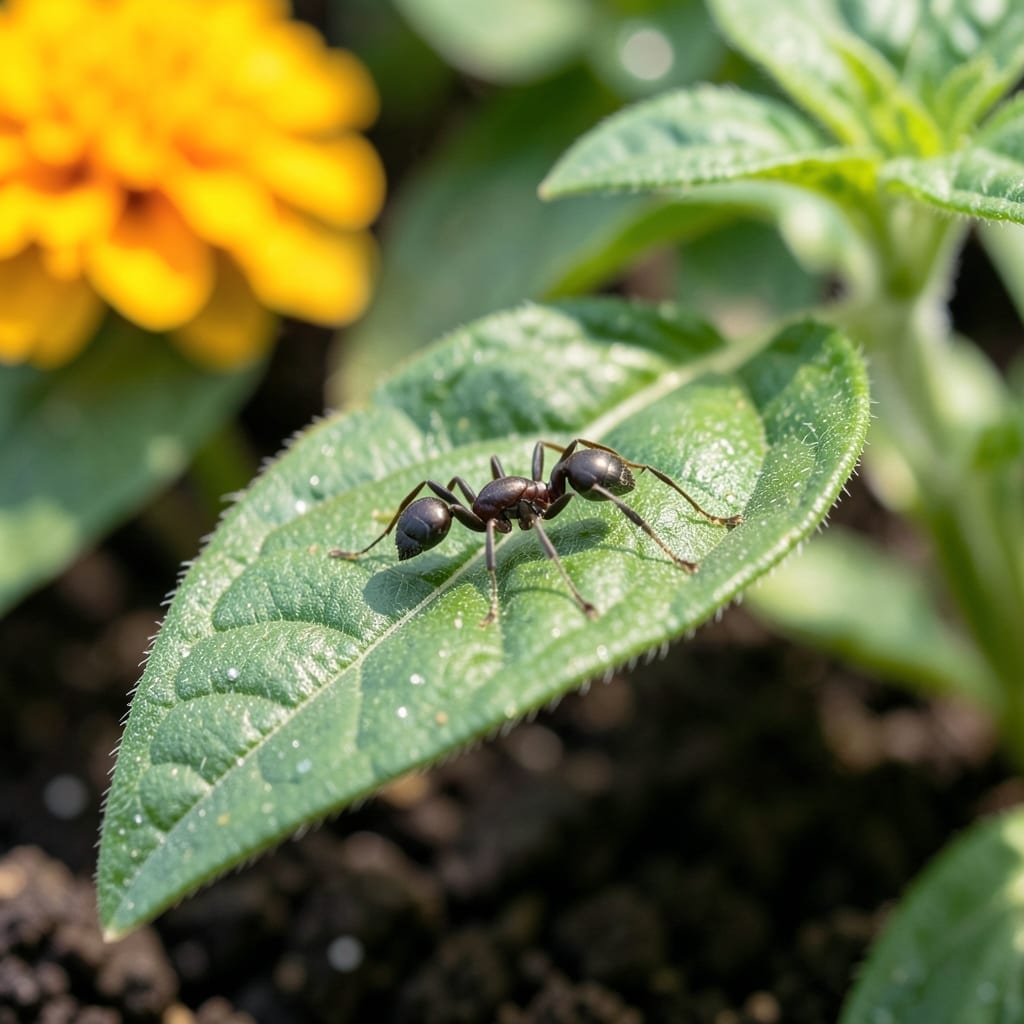
Ants marching through your garden beds are more than annoying—they protect pests that damage plants. I’ve watched them herd aphids onto my roses like tiny farmers, and it’s infuriating.
Natural repellents work better than you’d expect. A sprinkle of cinnamon or diatomaceous earth around troubled spots disrupts their trails without harming plants. Even crushed mint leaves can send them packing.
Within 24-48 hours, you’ll notice fewer ants patrolling your soil. The key is consistency—reapply after rain or watering to maintain the barrier.
Works for flower beds, vegetable patches, and container gardens alike. Here’s how to reclaim your space.
Understanding why ants appear in your garden is the first step to keeping them at bay. These tiny insects are drawn to specific conditions and resources that gardens often provide. Below are the primary reasons ants infest garden spaces.
Ants are foragers by nature, and gardens are buffets of potential meals. They’re especially drawn to sugary substances like nectar, ripe fruits, and honeydew—a sticky secretion produced by aphids and other sap-sucking pests. If your garden has flowering plants, fruit-bearing trees, or an aphid problem, ants will flock to these food sources. Even pet food left outdoors or unsecured compost can invite an ant parade.
Gardens offer ideal nesting conditions for ants. Loose soil, mulch, and decaying wood provide moisture and protection, making them perfect for building colonies. Some species, like fire ants, prefer dry, sunny areas, while others thrive in damp, shaded spots. Piles of leaves, untreated lumber, or even potted plants can become hidden ant headquarters.
Ants need water to survive, and gardens are often rich in moisture. Overwatered soil, leaky hoses, or poor drainage create damp environments that attract ants. They may also seek out standing water sources, such as birdbaths or clogged gutters, especially during dry spells. Keeping your garden well-drained can help deter them.
Some ants form mutualistic relationships with garden pests like aphids, mealybugs, and scale insects. They protect these pests from predators in exchange for honeydew, which they use as food. This symbiotic bond can lead to an increase in both ant populations and plant-damaging pests, creating a cycle that harms your garden’s health.
Ants in your garden can quickly become a nuisance, but these practical solutions will help you reclaim your space without harming your plants. Below are targeted fixes for common causes, along with prevention tips to keep them from returning.
Ants are drawn to sugary substances like fallen fruit, nectar, or honeydew from aphids. Clean up overripe fruits, spilled syrups, or pet food left outside. If aphids are the culprit, treat them with neem oil or insecticidal soap to cut off the ants’ food supply.
Ants often nest in cracks, under pots, or in loose soil. Seal entry points by caulking gaps in garden borders, paving, or raised beds. For potted plants, place them on ant-proof stands or saucers filled with soapy water to create a barrier.
Protect your plants with natural deterrents like diatomaceous earth (food-grade), cinnamon, or vinegar sprays. Sprinkle diatomaceous earth around plant bases—it dehydrates ants without chemicals. A vinegar-water mix (1:1 ratio) sprayed along ant trails disrupts their scent paths.
With these steps, your garden can thrive ant-free while staying eco-friendly!
Reapply after rain or watering, as moisture washes away barriers. For best results, refresh cinnamon or diatomaceous earth every 3-5 days in dry conditions. Consistency is key!
Diluted vinegar (1:1 with water) is safe for most plants when sprayed on soils, not leaves. Avoid using full-strength vinegar, which can damage foliage. Test on a small area first.
Disrupt their path immediately with a vinegar-water spray or by drawing a chalk line. Ants won’t cross these barriers, buying you time to apply longer-term solutions.
Yes! Sprinkle used coffee grounds near entry points. The strong scent confuses ants, and the gritty texture deters them. It’s a great way to recycle grounds too.