
Beautiful Plants For Your Interior
Beautiful Plants For Your Interior
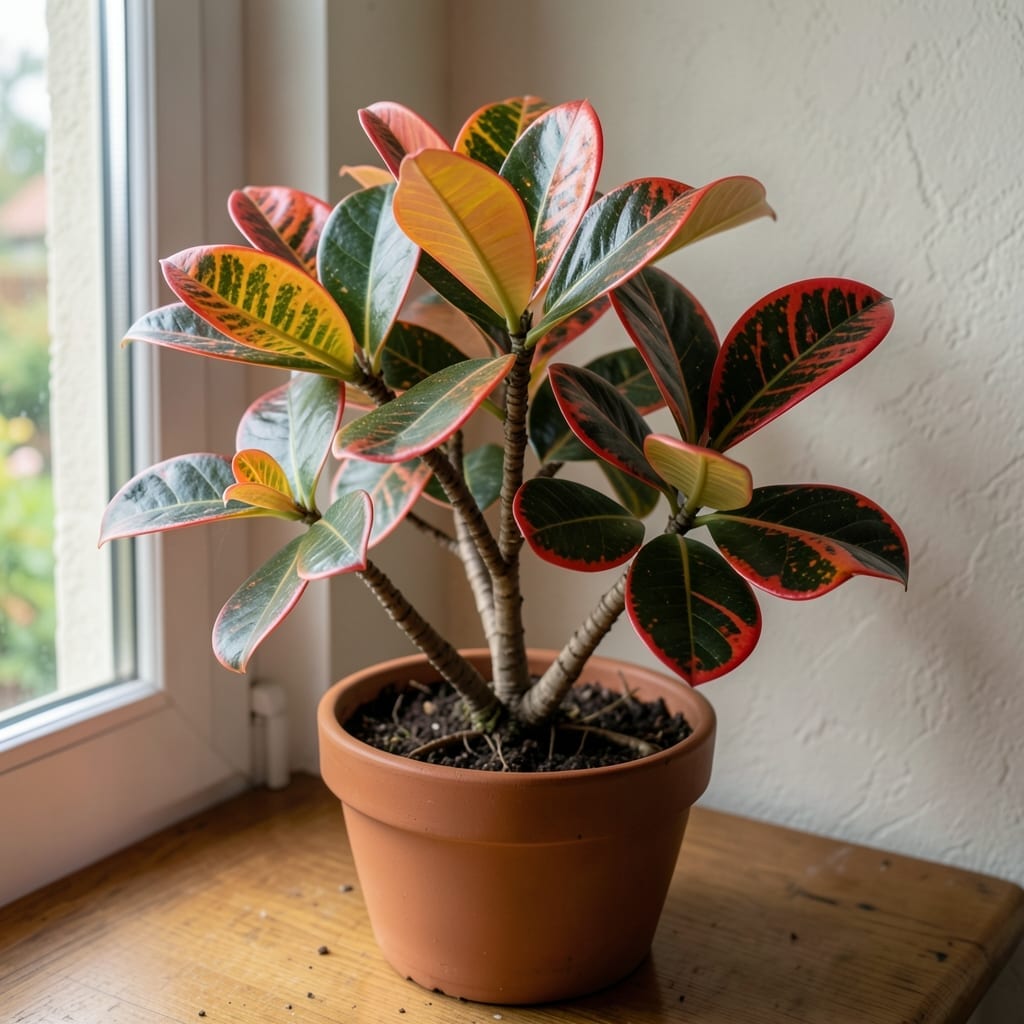
Red tips on leaves are your plant’s way of waving a white flag. I’ve seen this happen overnight—healthy green one day, crimson edges the next, and it always means something’s off.
Usually it’s stress talking: too much sun, not enough water, or a nutrient imbalance. The pattern tells the story—red on new growth suggests one issue, while red on older leaves points to another.
Here’s the thing—this isn’t a death sentence. Most cases fix with simple adjustments to care or environment. I’ve rescued dozens from the brink with just a few tweaks.
We’ll decode the visual clues together, then match each symptom to the right remedy. Your plant can bounce back faster than you’d expect.
Red tipped leaves often signal underlying stress in plants. Below are the most common causes, explained scientifically for clarity and actionable solutions.
Sudden temperature swings or prolonged exposure to cold drafts can trigger anthocyanin production, the pigment responsible for red tips. This is a survival response to protect cells from damage. Keep plants in stable environments (65–75°F for most houseplants).
Both overwatering and underwatering disrupt nutrient uptake. Overwatering suffocates roots, while drought stress forces leaves to produce anthocyanins as a stress indicator. Check soil moisture 1–2 inches deep before watering.
A deficiency in phosphorus or magnesium often manifests as red-tipped leaves, particularly in older foliage. Excess nitrogen can also cause uneven growth and pigmentation. Use a balanced fertilizer (e.g., 10-10-10) and test soil pH (ideal: 6.0–7.0 for most plants).
Too much direct sunlight, especially UV radiation, can scorch leaf edges and trigger red discoloration. Move plants to bright, indirect light or use sheer curtains to filter intensity.
Pathogens like Botrytis or Pseudomonas may cause red-tipped leaves alongside spots or wilting. Improve airflow, avoid overhead watering, and treat with copper-based fungicides if needed.
When your plant’s leaves start showing red tips, quick action can save its health. Below are targeted fixes for common causes, paired with prevention tips to keep your greenery thriving.
Too much or too little fertilizer can trigger discoloration. Fix: Flush the soil with water to remove excess salts, then switch to a balanced, slow-release fertilizer. Test soil pH—aim for 6.0–7.0 for most plants. Prevent: Fertilize lightly every 4–6 weeks during growing season. 💡 Pro tip: Dilute liquid fertilizers to half-strength to avoid burn.
Inconsistent moisture stresses roots, leading to red tips. Fix: Check soil moisture 1–2 inches deep. If bone-dry, water deeply; if soggy, let it dry out before watering again. Trim damaged leaves to redirect energy. Prevent: Use pots with drainage holes and water when the top inch of soil feels dry. ✨ Bonus: Group plants to create a humid microclimate for tropical species.
Too much direct sun or deep shade can cause tip reddening. Fix: Move sunburnt plants to bright, indirect light. For leggy, shade-stressed plants, gradually introduce more light to avoid shock. Prevent: Rotate potted plants weekly for even exposure. 🎯 Ideal setup: East-facing windows for gentle morning light or filtered light for sensitive varieties.
Cold drafts or heat spikes stress plants, resulting in red-tipped leaves. Fix: Move plants away from vents, radiators, or drafty windows. Maintain temperatures between 65–75°F. Prevent: Use a small space heater or fan (not direct airflow) to regulate temperature in fluctuating climates.
With proper care adjustments, new growth should appear green within 2-3 weeks. Existing red leaves won’t revert, but trimming them helps the plant focus energy on healthy growth.
Some plants, like dracaenas and cordylines, naturally develop red tips. For others, it’s a stress signal. Always check your plant’s normal coloration before assuming a problem.
Yes! Even with drainage holes, soggy soil prevents roots from breathing. Always let the top 1 inch of soil dry out between waterings, regardless of pot type.