
Beautiful Plants For Your Interior
Beautiful Plants For Your Interior
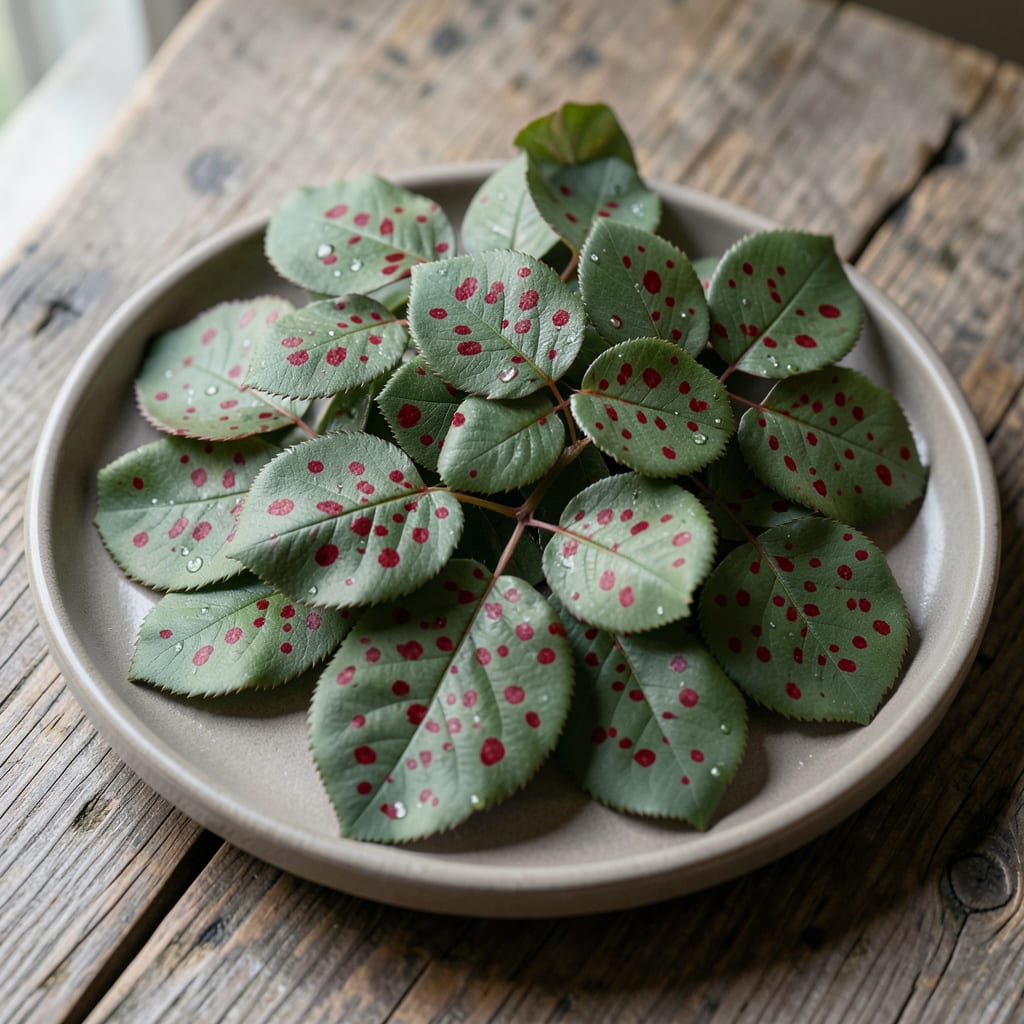
Those red spots on your rose leaves aren’t just ugly—they’re a warning sign. I’ve seen entire bushes defoliate in 2 weeks when ignored, but early action can stop the spread completely.
Most cases come down to fungal infections or environmental stress. The good news? Natural remedies like neem oil, baking soda sprays, or even milk solutions work surprisingly well. No harsh chemicals needed.
You’ll notice healthier foliage within 7-10 days of treatment, and your roses will thank you with stronger growth and more blooms. Prevention is simpler than you think.
Works for all rose varieties, from climbers to shrubs. Let’s save those leaves before the problem gets worse.
Red spots on rose leaves are a visual distress signal, often tied to specific environmental or biological stressors. Below are the most common causes, explained with actionable insights.
Fungi like Diplocarpon rosae (causing black spot) or Phragmidium spp. (rust) thrive in warm, humid conditions. These pathogens infect leaves through water splashes or poor air circulation, producing red, purple, or black spots. Overhead watering and crowded plantings accelerate their spread.
Sap-sucking pests such as spider mites and aphids pierce leaf tissues, causing cellular damage that manifests as red or yellow speckles. Their feeding also weakens the plant, making it more susceptible to secondary infections. Check leaf undersides for webbing (mites) or sticky residue (aphids).
Extreme temperatures, sunburn (from sudden exposure to intense sunlight), or nutrient deficiencies (e.g., magnesium or potassium) can trigger red spotting. Heat stress often causes marginal reddening, while nutrient imbalances may lead to interveinal red patches. Test soil pH (ideal: 6.0–6.5) to rule out deficiencies.
Overuse of foliar sprays (e.g., neem oil, fungicides) or high-salt fertilizers can scorch leaves, leaving red or brown spots. Always dilute sprays to recommended strengths and apply in the early morning to minimize phytotoxicity.
Dealing with red spots on your rose leaves requires targeted solutions based on the underlying cause. Below are practical fixes for the most common issues, along with prevention tips to keep your roses thriving.
If the spots are caused by fungi like black spot or rust, start by pruning infected leaves and stems with sterilized shears. Dispose of the debris in the trash—not compost—to prevent spread. Apply a copper-based fungicide or a homemade mix of 1 tbsp baking soda + 1 tsp dish soap + 1 gallon of water. Spray every 7–10 days until the issue clears.
Prevention: Improve air circulation by spacing plants, water at the base (not overhead), and avoid wet foliage in the evening. 💡 Pro tip: Mulch with straw to reduce soil-borne spores splashing onto leaves.
For pests like spider mites or aphids, blast them off with a strong jet of water early in the day. Follow up with neem oil or insecticidal soap, spraying the undersides of leaves where pests hide. Repeat every 5–7 days until gone.
Prevention: Encourage natural predators like ladybugs by planting companion flowers (e.g., marigolds). Inspect leaves weekly for early signs of infestation. ✨
If red spots stem from sunburn or nutrient deficiency, adjust your care routine. Shield roses from intense afternoon sun with shade cloth, and ensure they receive 1–2 inches of water weekly. Test soil pH (aim for 6.0–6.5); amend with lime (to raise pH) or sulfur (to lower it) as needed. For nutrient gaps, use a balanced rose fertilizer (e.g., 10-10-10) every 4–6 weeks.
Prevention: Apply a 2–3 inch layer of organic mulch to retain moisture and regulate soil temperature. 🎯
Not always. While fungi often cause them, red spots can also appear from sunburn or nutrient deficiencies. Check for patterns—fungal spots spread, while stress-related spots often appear uniformly.
With consistent treatment, you should see improvement within 7-10 days. Fungal infections may require multiple applications, while pest-related spots disappear faster once the insects are gone.
Yes! A mix of 1 tbsp baking soda + 1 tsp dish soap + 1 gallon water works well for fungal issues. For pests, neem oil or a strong water spray can be effective.
