
Beautiful Plants For Your Interior
Beautiful Plants For Your Interior
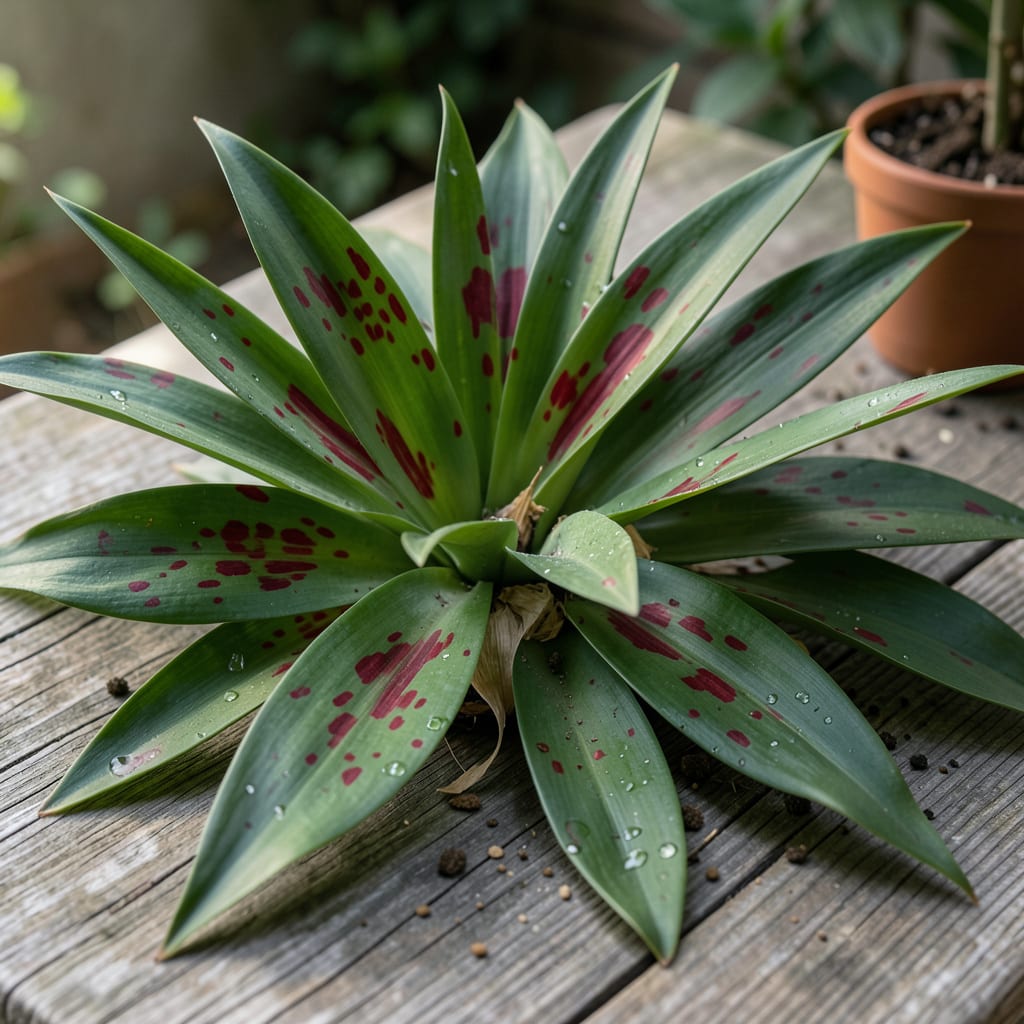
Those red spots on your amaryllis leaves aren’t just unsightly—they’re a signal. I’ve seen this pattern before, and the good news is it’s usually fixable with the right diagnosis.
Fungal or bacterial infections often show up as red or brown spots, especially in high-humidity conditions or after overwatering. Sometimes it’s environmental stress from direct sunlight or temperature swings.
You’ll need to inspect the spots closely: fuzzy edges suggest fungus, while water-soaked appearance points to bacteria. The solution starts with isolation and adjusting care immediately.
Works for potted amaryllis indoors or in greenhouses. Here’s how to pinpoint the cause and stop the spread.
Red spots on amaryllis leaves usually stem from a few key issues, each with distinct triggers. Here’s what’s likely behind the discoloration:
Fungi like Stagonospora (red blotch) thrive in damp, poorly ventilated conditions. Spores land on leaves, germinate, and create circular or irregular red-brown lesions. Overwatering, high humidity, or splash-back from infected soil spread the pathogen. Warm, wet foliage (especially overnight) accelerates growth.
Pseudomonas or Xanthomonas bacteria enter through wounds or stomata, causing water-soaked red spots that may ooze or develop yellow halos. These thrive in wet, crowded environments—common in greenhouses or after heavy rainfall. Contaminated tools or water can transmit the bacteria.
Extreme temperature swings, direct hot sunlight, or chemical burns (e.g., from fertilizers) can cause red scorching. Amaryllis leaves may develop localized red patches when exposed to cold drafts below 50°F (10°C) or intense UV without acclimation.
Sap-sucking pests like spider mites or aphids pierce leaf cells, leaving tiny red stipples or speckles. Their feeding stress weakens the plant, making it more susceptible to secondary infections that worsen the discoloration.
If your amaryllis leaves are sporting unsightly red spots, don’t panic—most issues are treatable! Below are targeted solutions for the most common causes, along with prevention tips to keep your plant thriving. 🌿
For fungal diseases like leaf blight or rust:
💡 Prevention: Use a well-draining potting mix and avoid overcrowding. Clean up fallen debris around the plant.
Bacterial spots often appear water-soaked with red or brown edges. Here’s how to act fast:
💡 Prevention: Water only the soil, not the leaves, and avoid handling plants when they’re wet.
Red spots from spider mites or aphids? Try this:
💡 Prevention: Regularly inspect leaves (especially undersides) and keep humidity moderate to deter mites.
If stress is the culprit (e.g., sunburn or nutrient deficiency):
💡 Prevention: Acclimate amaryllis gradually to new light conditions and maintain consistent care.
Not always. While often caused by fungal or bacterial infections, red spots can also appear from environmental stress like direct sunlight or chemical burns. Always check for other symptoms before assuming disease.
Fungal spots usually have fuzzy edges or concentric rings, while bacterial spots appear water-soaked with yellow halos. A magnifying glass helps reveal these subtle differences.
A 1:10 bleach-water solution can work for bacterial spots, but test on one leaf first. Never use full-strength bleach as it will damage the plant. Always rinse leaves after application.
Water at the base in the morning so foliage dries quickly. Avoid overhead watering and ensure good drainage to reduce fungal and bacterial risks.
