
Beautiful Plants For Your Interior
Beautiful Plants For Your Interior
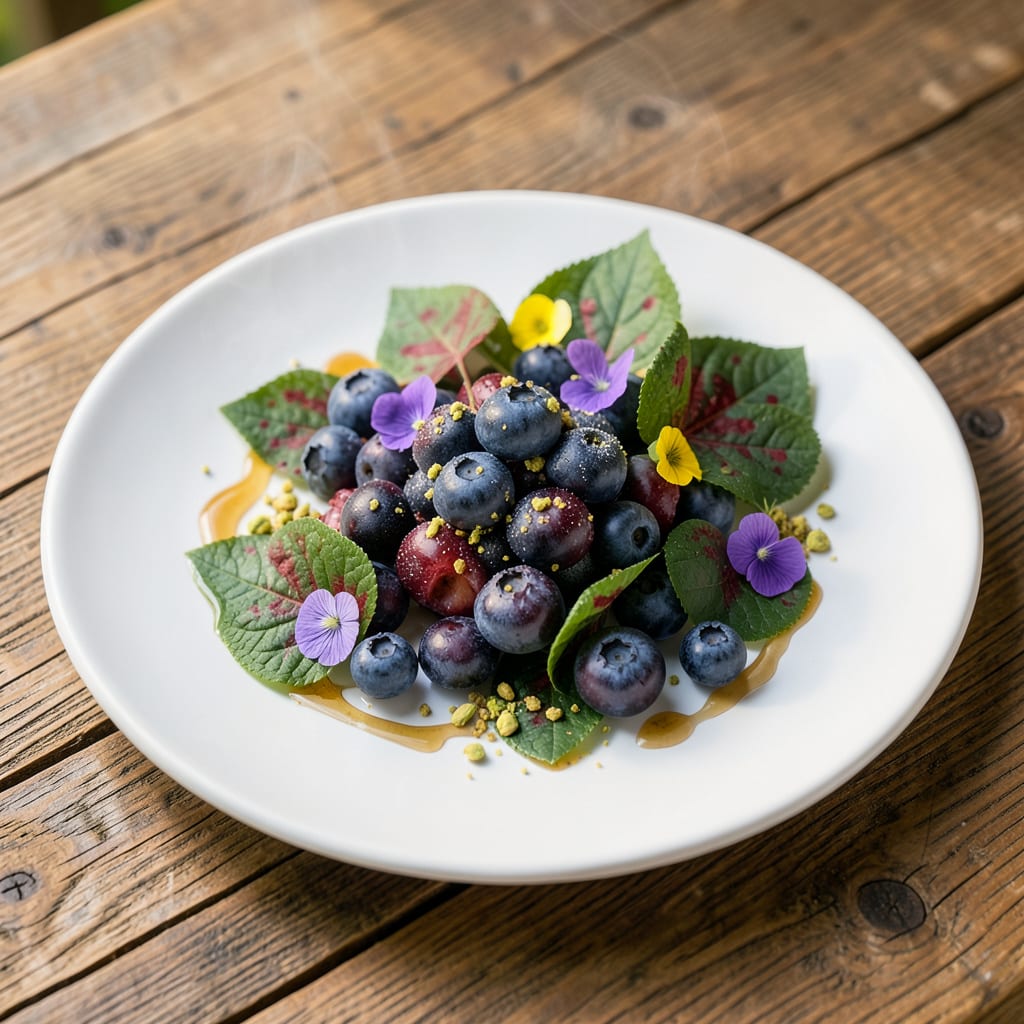
Those red spots on your blueberry leaves aren’t just unsightly—they’re a warning sign. I’ve seen this pattern before, and catching it early makes all the difference between a full harvest and a struggling plant.
Most cases trace back to fungal issues, nutrient imbalances, or environmental stress. The good news? A few simple observations can pinpoint the exact problem without guesswork or expensive tests.
Organic fixes often work better than chemicals here. A copper spray or neem oil treatment can stop fungal spread, while soil amendments address deficiencies at the root level.
Prevention is simpler than treatment. Proper spacing, consistent watering, and seasonal maintenance keep your bushes productive and spot-free for years to come.
Red spots on blueberry leaves often signal underlying issues that disrupt the plant’s health. Below are the most common causes, explained with actionable insights to help you diagnose the problem accurately.
Fungi like Exobasidium or Septoria thrive in wet, humid conditions, leading to red or purple blotches. These pathogens spread through spores, which germinate on moist leaf surfaces. Overhead watering or poor air circulation exacerbates the issue. Action: Improve drainage, prune for airflow, and apply copper-based fungicides preventatively.
Xanthomonas or Pseudomonas bacteria cause small, water-soaked red spots that may turn necrotic. They enter through wounds or stomata, especially during rainy seasons. Action: Remove infected leaves, avoid working with plants when wet, and use bactericides like copper sprays.
Sap-sucking pests like spider mites or aphids pierce leaf cells, causing red stippling or spots due to stress. Their feeding also spreads viruses. Action: Inspect leaf undersides, blast pests off with water, or use insecticidal soap.
Extreme temperatures, sunburn, or nutrient deficiencies (e.g., phosphorus or magnesium) can trigger red discoloration. Cold snaps or excessive heat disrupt chlorophyll, while poor soil pH (blueberries need 4.5–5.5) locks out nutrients. Action: Test soil, amend with sulfur or lime, and provide shade cloth during heatwaves.
Herbicide drift or overuse of foliar sprays can cause red spotting. Glyphosate or 2,4-D damage manifests as interveinal reddening or cupped leaves. Action: Avoid spraying near blueberries and rinse leaves if exposure occurs.
Dealing with red spots on blueberry leaves? Here’s how to tackle each cause with simple, effective fixes and prevention tips to keep your plants thriving.
Fix: Remove and destroy infected leaves to stop the spread. Apply copper-based fungicides or a homemade baking soda spray (1 tbsp baking soda + 1 gallon water + a few drops of dish soap). Spray every 7–10 days until the issue clears.
Prevention: Improve airflow around plants by pruning densely packed branches. Water at the base to keep leaves dry, and avoid overhead irrigation. 💡 Pro tip: Mulch with pine needles to suppress fungal spores naturally.
Fix: Blast pests like aphids or mites off with a strong water spray. For stubborn outbreaks, use neem oil or insecticidal soap, applying in the early morning or late evening.
Prevention: Encourage beneficial insects like ladybugs by planting companion flowers (e.g., marigolds). Inspect leaves weekly for early signs of pests.
Fix: If red spots stem from sunburn or cold damage, trim the affected leaves. Provide shade cloth during peak sun hours or move potted plants to a sheltered spot. For frost damage, cover plants with burlap in late fall.
Prevention: Plant blueberries in a location with partial shade and consistent moisture. Use a thick layer of mulch to regulate soil temperature. ✨ Pro tip: Drought-stressed plants are more vulnerable—water deeply 1–2 times weekly.
Fix: Test your soil (kits are available at garden centers). For magnesium deficiency, apply Epsom salt (1 tbsp per gallon of water) as a foliar spray. For potassium or phosphorus shortages, amend soil with compost or organic fertilizer.
Prevention: Feed blueberries with an acid-loving plant fertilizer (pH 4.5–5.5) every spring. Avoid high-nitrogen fertilizers, which can worsen imbalances.
Yes, excess moisture creates ideal conditions for fungal growth. Overwatering leads to root stress and poor oxygen circulation, which can manifest as red or purple leaf spots. Ensure proper drainage and water only when the top 1-2 inches of soil are dry.
Fungal and bacterial causes are contagious and can spread to nearby blueberry bushes or other susceptible plants. Isolate affected plants and remove infected leaves immediately. Always sterilize pruning tools with rubbing alcohol between cuts.
A baking soda spray (1 tbsp per gallon of water) or neem oil can effectively treat early fungal or pest-related spots. Apply in the morning for best results, and reapply after rain.
