
Beautiful Plants For Your Interior
Beautiful Plants For Your Interior
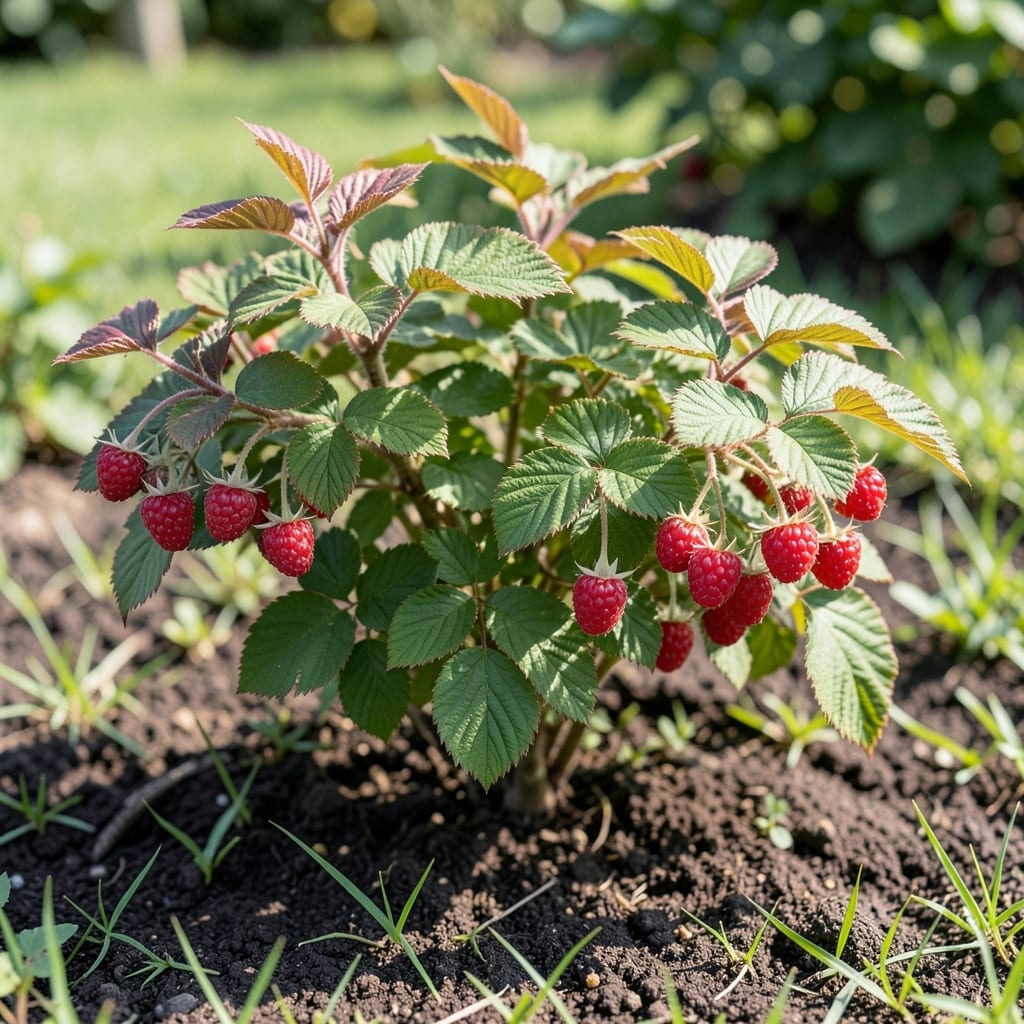
Red raspberry leaves transform your garden into a dual-purpose space—beautiful plants and valuable harvests. I’ve grown these for years, and the leaves are just as useful as the berries themselves.
With the right care, you’ll get vibrant green foliage perfect for teas and remedies. The plants thrive with simple attention to soil, water, and sunlight, rewarding you with healthy growth every season.
📚 In This Guide
Here’s my organic method for thriving plants with vibrant foliage and robust growth.
Choose a location with full sun to partial shade and well-draining soil. Red raspberries prefer slightly acidic soil with a pH between 5.5 and 6.5. I always test my soil first—it saves so many headaches later.
Remove any weeds or debris from the area, then loosen the soil to a depth of 12-18 inches. This encourages deep root growth, which is critical for healthy plants. If your soil is heavy clay, mix in plenty of compost to improve drainage and fertility.
Dig a hole large enough to accommodate the root ball of each cane. Space the plants 18-24 inches apart in rows that are 6 feet apart. This gives them room to spread while allowing for good air circulation, which prevents fungal diseases.
Place the cane in the hole so the crown is just above soil level, then backfill with soil. Gently firm the soil around the base to remove air pockets. Water thoroughly after planting to settle the soil and hydrate the roots. You’ll see new growth emerge within 2-3 weeks if conditions are right.
Apply a 2-3 inch layer of organic mulch, like straw or wood chips, around the base of the plants. Mulching retains moisture, suppresses weeds, and keeps the soil temperature stable—all of which are key for healthy raspberry plants.
Water deeply once or twice a week, depending on rainfall, ensuring the soil stays consistently moist but not waterlogged. You’ll know it’s time to water when the top 1 inch of soil feels dry to the touch. Overwatering can lead to root rot, so balance is essential.
Pruning is vital for strong, productive plants. In late winter, remove any dead, diseased, or weak canes at ground level. Thin out excess canes to leave only the strongest 4-6 canes per plant. This directs energy to the healthiest growth.
Install a trellis or support system to keep the canes upright. I use a simple T-bar trellis with wires running horizontally at 3 and 5 feet. Tie the canes loosely to the wires with soft twine as they grow. This improves air circulation and makes harvesting easier.
Fertilize the plants in early spring with a balanced organic fertilizer, following the package instructions. Avoid high-nitrogen fertilizers, as they can promote leafy growth at the expense of fruit production. I’ve found that compost tea works wonders for raspberries.
Keep an eye out for common pests like aphids or raspberry cane borers. If you notice yellowing leaves or stunted growth, inspect the canes closely. Early intervention with organic pest control methods, like neem oil, can prevent serious damage and keep your plants thriving.
Here are the key insights I’ve gathered from years of cultivating healthy raspberry canes.
Site Selection Secret: The drainage test in Step 1 is non-negotiable. If that 12-inch hole doesn’t empty within 2-3 hours, your plants will suffocate. Raspberries thrive in well-draining soil, so don’t skip this check—it’s the foundation of healthy growth.
Planting Depth Matters: In Step 2, planting the crown 1-2 inches above the soil line prevents rot. I learned this the hard way after losing several canes to suffocation. Too deep, and they’ll drown; too shallow, and they’ll dry out. Get it just right.
Support System Timing: Install your trellis or T-post and wire system immediately after planting, as Step 3 suggests. Waiting even a week can lead to broken canes under the weight of fruit. The 3 and 5-foot wire heights are perfect for supporting mature growth.
Pruning Precision: In Step 5, thinning new canes to 4-6 strongest per plant when they reach 3 feet tall isn’t just about aesthetics—it’s critical for airflow and fruit quality. Those 45-degree angle cuts? They prevent water from pooling and causing disease.
Yes! Many women enjoy red raspberry leaf tea during the second and third trimesters to support uterine health. However, consult your healthcare provider first, as it may not be suitable for everyone, especially in early pregnancy.
Harvest leaves in the morning after the dew has dried, ideally when the plant is actively growing (spring to early summer). Avoid picking leaves after heavy rain or if they show signs of disease.
Dried red raspberry leaves work just as well for tea or medicinal uses. You can also find pre-packaged tea bags or loose-leaf blends at health food stores.
Yellowing leaves may indicate overwatering, nutrient deficiency (like nitrogen or iron), or disease. Check soil moisture, fertilize if needed, and inspect for pests like aphids or fungal issues.
Dry leaves in a well-ventilated, dark area for 1-2 weeks, then store in an airtight container away from light and moisture. Properly dried leaves can last up to a year.