
Beautiful Plants For Your Interior
Beautiful Plants For Your Interior
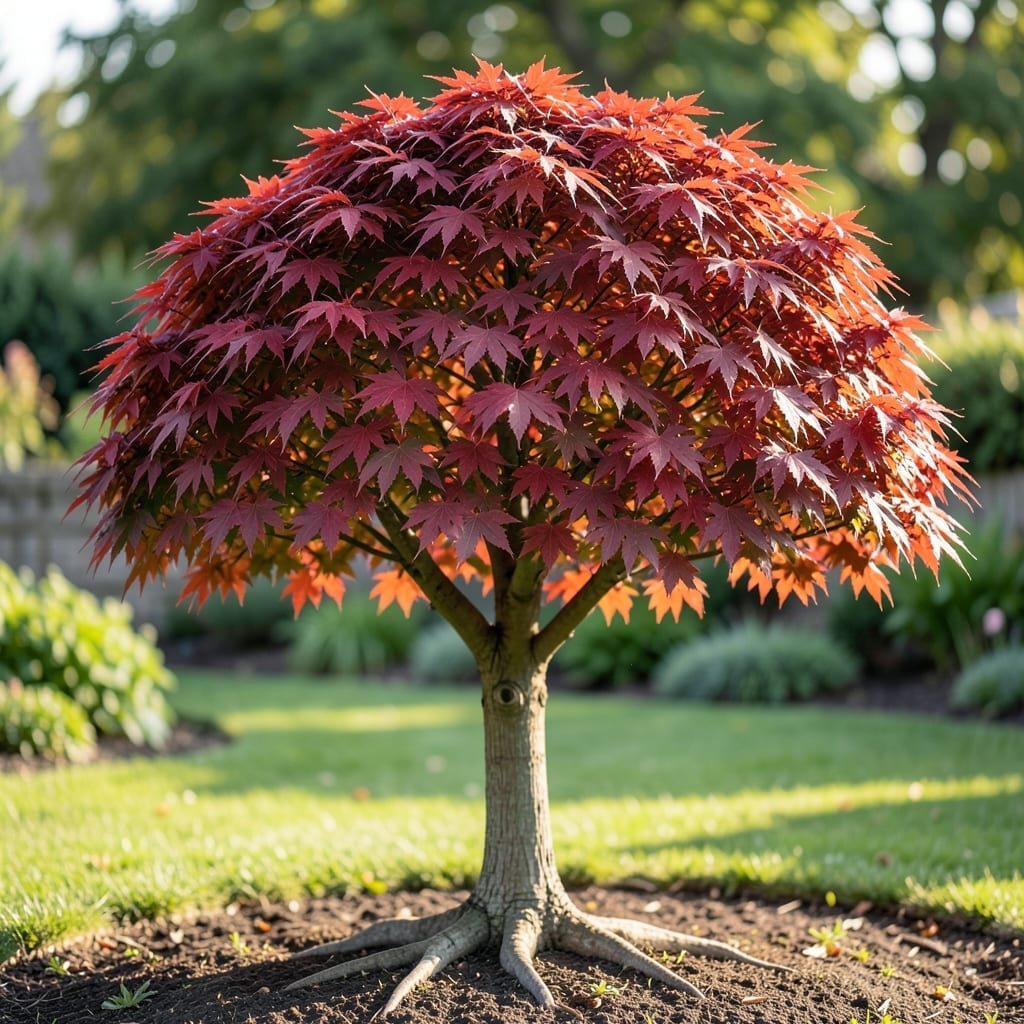
I’ve seen too many gardeners plant a 🌳 Red Maple only to struggle with its roots later. The truth? Its root system is shallow but spreads wide, often catching homeowners off guard.
Understanding how these roots grow is the key to avoiding cracked sidewalks or starved nearby plants. The good news is, with the right approach, you can harness this tree’s natural resilience.
Discover how to plant and care for your Red Maple in zones 3-9 so its roots thrive without causing chaos. Let’s dig in—safely.
The 🌳 Red Maple has a fibrous root system that’s mostly shallow and wide-spreading. This means roots grow outward rather than deep, often extending 2-3 times the tree’s canopy width.
Most roots stay within the top 12-18 inches of soil, making them highly efficient at absorbing surface water. This adaptability helps the tree thrive in varied soil types, from clay to loam.
| Root Trait | Specification |
|---|---|
| Type | Fibrous, shallow |
| Depth | 12-18 inches |
| Spread | 2-3x canopy width |
| Primary Function | Water absorption |
| Soil Adaptability | High |
This wide root spread provides excellent stability in windy conditions, as the roots anchor the tree horizontally across a large area. However, it can also lead to competition with nearby plants for water and nutrients.
In urban settings, these roots may lift sidewalks or invade septic systems if not properly managed. I’ve seen cases where poorly placed Red Maples caused costly infrastructure damage within a decade.
The root system’s adaptability allows the tree to grow in USDA zones 3-9, from cold climates to warmer regions. This makes it a versatile choice for many gardeners.
Young Red Maples develop roots quickly, often establishing a strong network within the first 2-3 years. This rapid growth helps the tree recover from transplant shock faster than many other species.
One unique trait is the tree’s ability to sprout roots from the trunk base if conditions are favorable. While this can aid in stabilization, it may also create additional maintenance challenges in landscaped areas.
For best results, plant your Red Maple at least 20-30 feet away from structures. This distance helps prevent root-related damage while allowing the tree to mature naturally. 🌿
Remember, the shallow nature of these roots means they benefit from regular mulching. A 2-3 inch layer of mulch helps retain moisture and protects the root zone from temperature extremes.
With proper care, your Red Maple’s root system will support a healthy, long-lived tree that adds beauty and shade to your landscape for generations. 🌳
The 🌳 Red Maple’s shallow roots demand strategic planting to avoid future headaches. I always recommend placing it 20-30 feet from buildings, driveways, or septic systems to prevent costly damage.
This tree thrives in well-drained, slightly acidic soil but adapts well to clay or loamy conditions. However, its wide-spreading roots will compete aggressively with nearby plants for water and nutrients.
⚠️ Warning: Never plant a Red Maple near underground utilities or paved surfaces. Its roots can lift sidewalks and invade pipes within 5-10 years.
For optimal growth, water deeply once a week during the first year, ensuring moisture reaches the entire root zone. Mature trees are drought-tolerant but benefit from occasional deep watering.
The best planting time is early spring or fall, when the tree can establish roots before summer heat or winter cold. I’ve found this timing reduces transplant shock significantly.
Consider companion planting with deep-rooted species like oaks or pines to minimize competition. Avoid shallow-rooted plants like azaleas or hostas directly under the canopy.
Regular mulching with 2-3 inches of organic material helps retain moisture and protects shallow roots from temperature swings. Just keep mulch 6 inches away from the trunk to prevent rot.
With the right care, your Red Maple’s root system will support a strong, healthy tree that enhances your landscape for decades. 🌿