
Beautiful Plants For Your Interior
Beautiful Plants For Your Interior
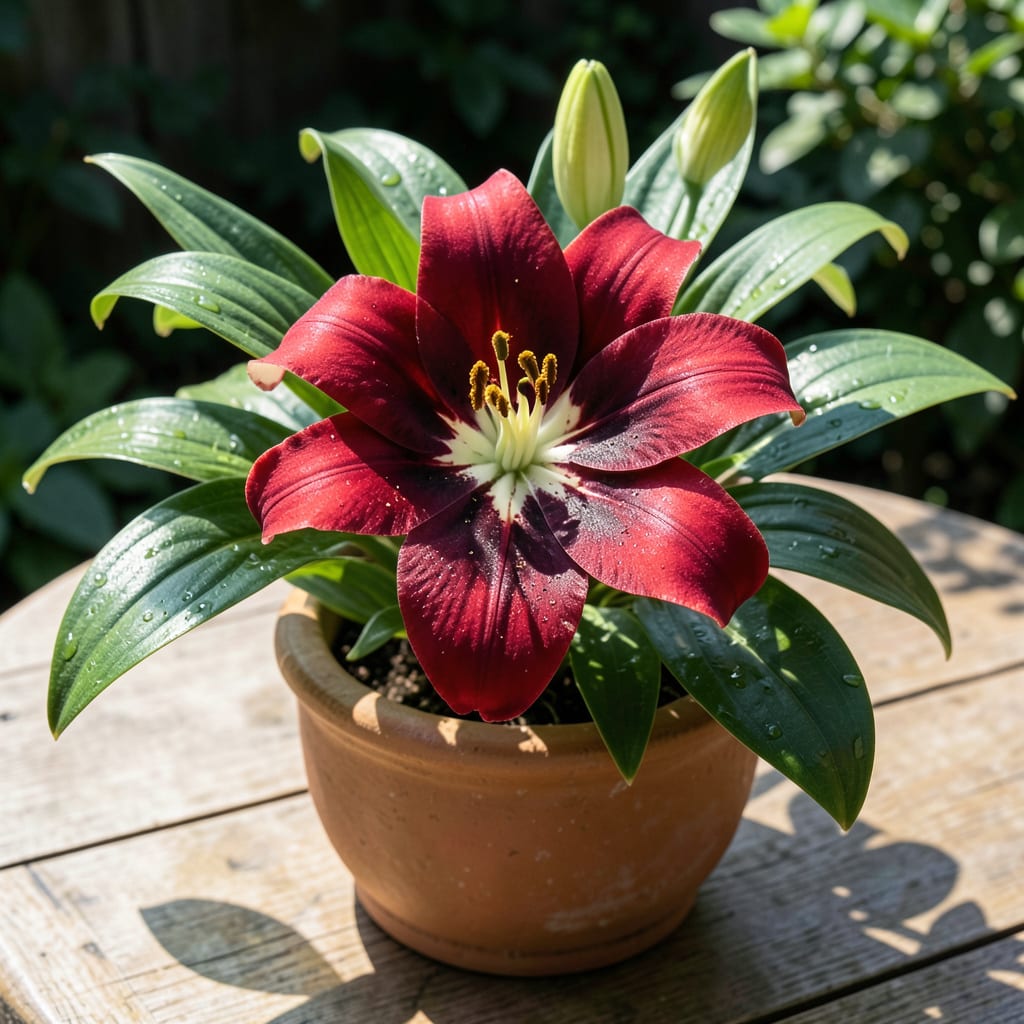
These bold blooms stop visitors in their tracks. I planted my first red-and-white striped lilies three seasons ago, and they’ve become the centerpiece of my summer garden.
They thrive in full sun with well-draining soil and minimal fuss. Once established, they return every year with more vibrant flowers, multiplying into a dramatic display that needs almost no maintenance.
📚 In This Guide
Here’s the proven method I use to cultivate these striking bicolor lilies for maximum impact.
Choose a site with full sun to partial shade, as these lilies thrive with 6-8 hours of sunlight daily. The more sun they receive, the more vibrant the red and white striping becomes. I always test the light conditions by observing the area at different times of day.
Avoid low-lying spots where water pools after rain. Lilies detest soggy roots, so the soil must drain well. If your garden has heavy clay, amend the area with compost or consider planting in raised beds instead.
Lilies prefer slightly acidic to neutral soil with a pH between 6.0 and 7.0. Test your soil first—this small step prevents years of frustration. Work in 2-3 inches of organic matter like well-rotted compost to improve both drainage and fertility.
Dig the planting hole 12-18 inches deep—deeper than most gardeners expect. This encourages strong root development, which is crucial for those tall, dramatic stems. Loosen the soil at the bottom of the hole to help roots penetrate easily.
Place the bulb in the hole with the pointed end facing upward. The depth should be 3 times the height of the bulb, so a 2-inch bulb goes 6 inches deep. This protects the bulb from temperature fluctuations and prevents it from heaving out of the ground during freeze-thaw cycles.
Space bulbs 8-12 inches apart to allow for air circulation and future growth. I’ve found that closer spacing creates a stunning mass effect but may require dividing sooner. Cover with soil and water thoroughly to settle the earth around the bulb.
Water deeply once a week during the growing season, ensuring the soil stays moist but never waterlogged. You’ll know you’re watering correctly when the top 1-2 inches of soil feel dry before the next watering. Mulch with 2-3 inches of organic material to retain moisture and keep roots cool.
Fertilize in early spring with a balanced 10-10-10 fertilizer, then again just before blooming. This encourages strong stems and vibrant blooms. Watch for the first signs of bud formation—this is when the plant’s energy needs peak.
Stake taller varieties as they grow to prevent wind damage. I use bamboo stakes and soft ties that won’t cut into the stems.
After flowering, deadhead the spent blooms but leave the foliage intact. The leaves continue photosynthesizing to feed the bulb for next year’s display. Cut back the stems only after they’ve turned yellow and died back naturally, usually by late fall.
Divide clumps every 3-4 years to prevent overcrowding and maintain vigor. You’ll see fewer blooms and smaller flowers when it’s time to divide. Lift the bulbs carefully, separate the offsets, and replant the healthiest ones immediately.
These subtle adjustments make a dramatic difference in your garden display.
Sunlight Optimization: The 6-8 hours of sunlight daily in Step 1 isn’t just a suggestion—it’s the key to that vivid red and white contrast. I’ve noticed the striping becomes most pronounced when the plants get morning sun. If your garden only gets afternoon light, consider planting near a reflective surface to maximize exposure.
Planting Depth Precision: In Step 3, that 3 times the bulb height rule is non-negotiable. For a standard 2-inch bulb, that means exactly 6 inches deep. Planting too shallow exposes bulbs to temperature swings, while too deep can delay sprouting. I use a ruler to measure—yes, I’m that precise.
Soil Preparation Insight: The 12-18 inch deep hole in Step 2 serves dual purposes: it accommodates the bulb depth requirement while creating loose soil that roots can easily penetrate. Don’t skip loosening the soil at the bottom—this encourages downward root growth for better stability.
Long-Term Planning: That 3-4 year division cycle in Step 5 isn’t arbitrary. I’ve found that waiting until year 4 gives the most spectacular display before dividing, but don’t go beyond that or you’ll notice significantly smaller blooms.
Keep the soil moist but well-drained, and place the plant in partial to full sunlight. Fertilize lightly in spring and deadhead spent blooms to encourage new growth. Mulch in winter for protection.
These striking lilies typically bloom in mid to late summer, depending on the variety and climate. Plant bulbs in fall for vibrant blooms the following year.
Consider ‘Stargazer’ lilies (pink with white edges) or ‘Tiger Lilies‘ (orange with dark spots) for similar bold, bicolor effects in your garden.
Check for insufficient sunlight, poor soil drainage, or overcrowded bulbs. Ensure proper spacing and nutrient-rich soil. Lack of blooms can also mean the bulbs are immature.
Most lilies are not deer-resistant, including bicolor varieties. Use fencing or deer repellent to protect them if deer are common in your area.
