
Beautiful Plants For Your Interior
Beautiful Plants For Your Interior
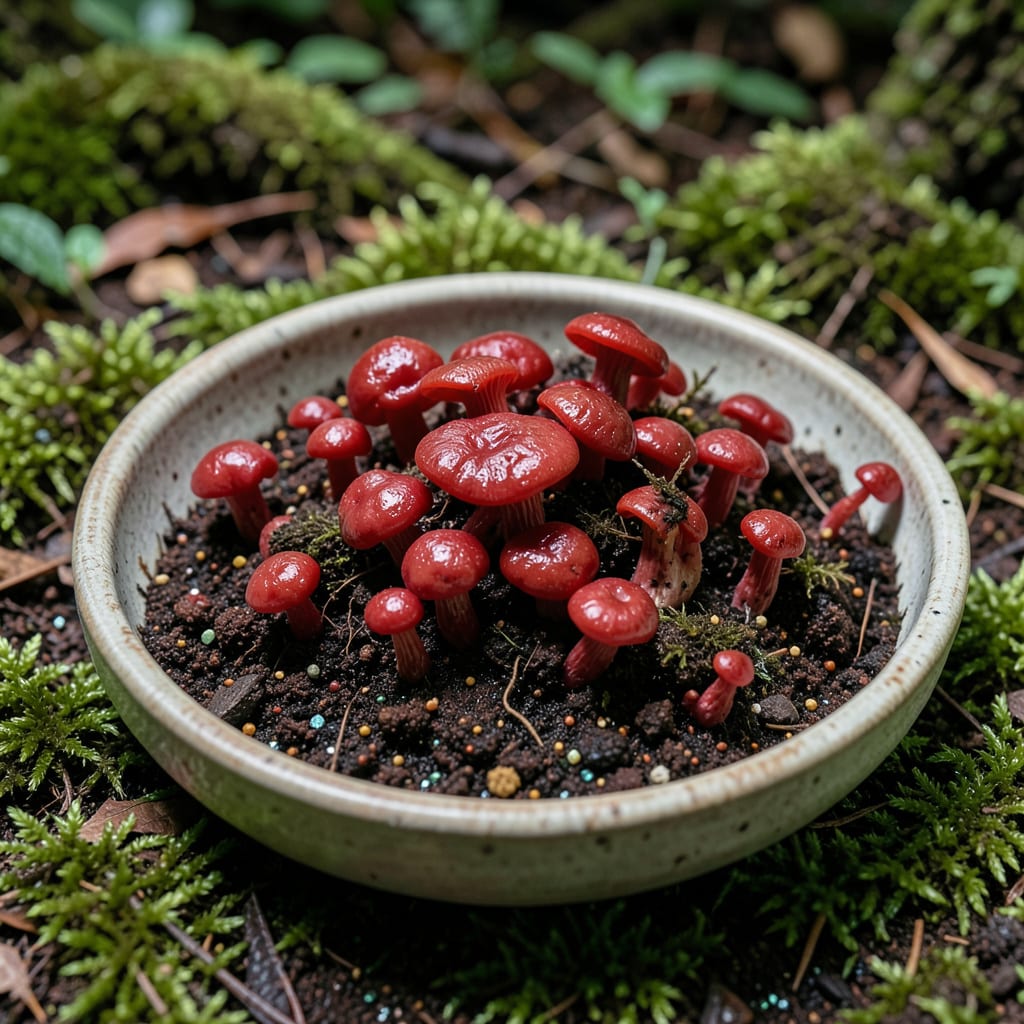
Red fungus in your soil isn’t the disaster it looks like. I’ve seen it pop up overnight after heavy rain or overwatering, and the first time, I panicked.
The good news? It’s usually harmless to plants and signals excess moisture rather than a serious disease. Simple fixes like adjusting watering or improving drainage often clear it up within a week.
You’ll learn to spot the difference between beneficial fungi and problematic molds. Most red fungi break down organic matter, actually feeding your soil instead of harming it.
Prevention comes down to balanced moisture and good airflow. A few tweaks now saves you from recurring issues later.
Red fungus on soil often appears due to a combination of environmental and biological factors. Here’s why it happens:
Fungal growth thrives in damp conditions. Overwatering, poor drainage, or high humidity create the perfect breeding ground for Fusarium, Trichoderma, or other red-pigmented fungi. Soil that stays soggy for more than 24 hours is especially vulnerable.
Decaying leaves, wood chips, or unturned compost provide nutrients for fungi. These organisms break down organic matter, but when the material sits too long without decomposing fully, it fuels excessive fungal spread, including red varieties.
Compacted or clay-heavy soil restricts airflow, trapping moisture and encouraging anaerobic conditions. This stress on plant roots and microbes allows opportunistic fungi, like Rhizoctonia, to dominate and produce red pigments as a survival mechanism.
Soils with low nitrogen or high carbon levels (e.g., fresh sawdust) can shift microbial communities toward fungi. Red fungi often outcompete bacteria in these cases, leading to visible colonies on the surface.
Most red soil fungi proliferate in temperatures between 70–85°F (21–29°C). Heat accelerates their metabolic activity, especially when combined with moisture, making summer and early fall prime seasons for outbreaks.
Dealing with red fungus on soil starts with identifying the root cause and applying the right fix. Below are targeted solutions for common triggers, along with prevention tips to keep your soil healthy long-term.
If excess moisture is the culprit, stop watering immediately and let the soil dry out. For potted plants, ensure containers have drainage holes. Mix in perlite or coarse sand to boost drainage. Water only when the top inch of soil feels dry.
Fungus thrives in stagnant air. Prune dense foliage to allow airflow, and space plants farther apart. For indoor setups, use a small fan on low to circulate air. Outdoors, avoid overcrowding garden beds.
Remove fallen leaves, dead plant matter, and other debris where fungus can grow. Rake the soil surface regularly to disrupt fungal growth. For mulched areas, replace old mulch with fresh, dry layers.
Test your soil’s pH and nutrients. If it’s too acidic, add lime to balance it. For nutrient deficiencies, mix in compost or a slow-release fertilizer. Avoid over-fertilizing, as excess nitrogen can encourage fungal growth.
Most red soil fungi are harmless, but it’s best to avoid direct contact. Some may cause skin irritation. Always wear gloves when handling affected soil and wash your hands thoroughly afterward.
It can if conditions remain wet. Isolate affected areas and improve drainage immediately. Most red fungi won’t jump to healthy plants in dry, well-aerated soil.
With proper care, you’ll typically see improvement in 3-7 days. Complete disappearance may take 2-3 weeks depending on the severity and how quickly you address the moisture issue.
