
Beautiful Plants For Your Interior
Beautiful Plants For Your Interior
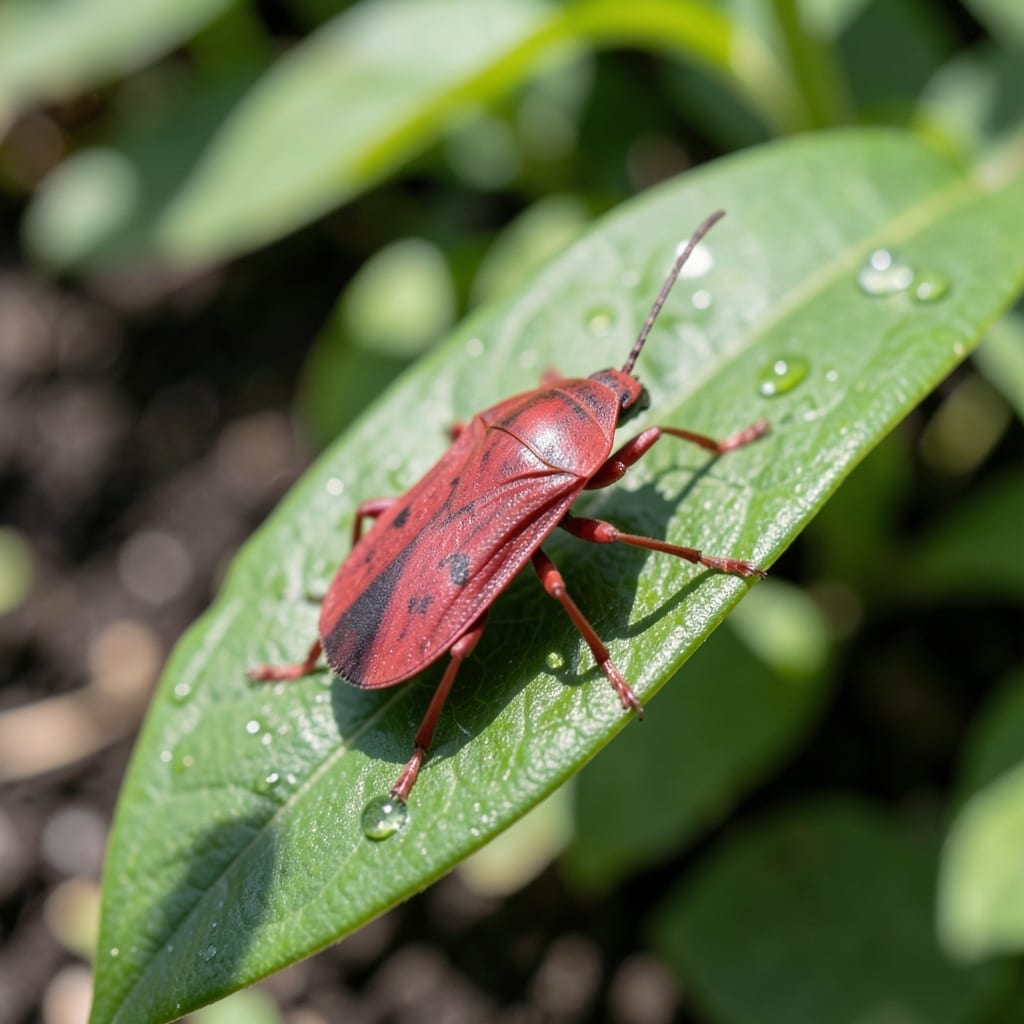
Red flat bugs caught me off guard last summer. 🌱 These tiny invaders cluster on stems and leaves, sucking plant juices and leaving behind stunted growth and yellowed foliage.
They favor warm climates and target citrus, squash, and ornamental plants. I spotted them first on my zucchini—small, oval, and bright red, they blend in until you look closely.
Early action is key. Hand-pick them off in the morning when they’re sluggish, or blast them with water to dislodge them. For larger infestations, neem oil or insecticidal soap works without harming beneficial insects.
Prevent future outbreaks by keeping your garden clean and monitoring plants regularly. A little vigilance saves a lot of trouble.
Understanding why red flat bugs appear in your home or garden can help you prevent future outbreaks. These pests, often masked hunters or assassin bugs, thrive in specific conditions. Below are the primary causes of their presence:
Dense gardens or untrimmed shrubs provide the perfect hiding spots for these insects. They feed on other pests like aphids and mites, so an abundance of prey in overgrown areas attracts them. Regularly prune plants and remove leaf litter to reduce their habitat.
Red flat bugs are drawn to damp environments, especially in basements, under sinks, or in poorly ventilated spaces. Fix leaks, use dehumidifiers, and ensure proper airflow to deter them.
Tiny gaps in walls, windows, or doors serve as entryways for these bugs. Seal cracks with caulk and install fine mesh screens on windows to block their access.
Pantries with improperly stored grains or cluttered areas (like garages) can harbor these pests. Store food in airtight containers and declutter regularly to eliminate potential nesting sites.
Dealing with these pests starts with understanding how to address each scenario. Here’s a practical guide to solving the issue based on common causes.
If you spot them in upholstery, mattresses, or curtains, vacuum thoroughly using a hose attachment to remove bugs, eggs, and shed skins. Seal the vacuum bag in a plastic bag and dispose of it outdoors. For stubborn cases, steam clean fabrics at a temperature above 120°F (49°C) to kill all life stages. Prevention tip: 💡 Use protective covers on mattresses and box springs, and inspect secondhand furniture before bringing it inside.
For outdoor sightings on plants, prune affected leaves and stems and dispose of them in sealed bags. Apply neem oil or insecticidal soap to the remaining foliage, focusing on the undersides of leaves where they often hide. Prevention tip: 🌱 Regularly inspect plants for early signs, and avoid overwatering, which can attract pests.
If they’re entering your home through small openings, seal cracks in walls, windows, and doors with caulk. Install door sweeps and repair torn screens. Prevention tip: 🎯 Place sticky traps near entry points to catch stragglers and monitor for new activity.
If you’ve been bitten, wash the area with soap and water to prevent infection. Apply hydrocortisone cream or calamine lotion to reduce itching. Prevention tip: ✨ Wear long sleeves and pants when in infested areas, and use insect repellent containing DEET or picaridin.
Most species pose no direct threat, but some may bite if handled. The bites are usually mild and cause only minor irritation.
They often infest citrus trees, squash, and ornamental plants. Check the undersides of leaves where they hide and feed.
Yes! Neem oil or a mix of dish soap and water works well. Spray directly on bugs for best results.
Remove garden debris, seal entry points, and maintain dry conditions. Regular inspections catch new infestations early.