
Beautiful Plants For Your Interior
Beautiful Plants For Your Interior
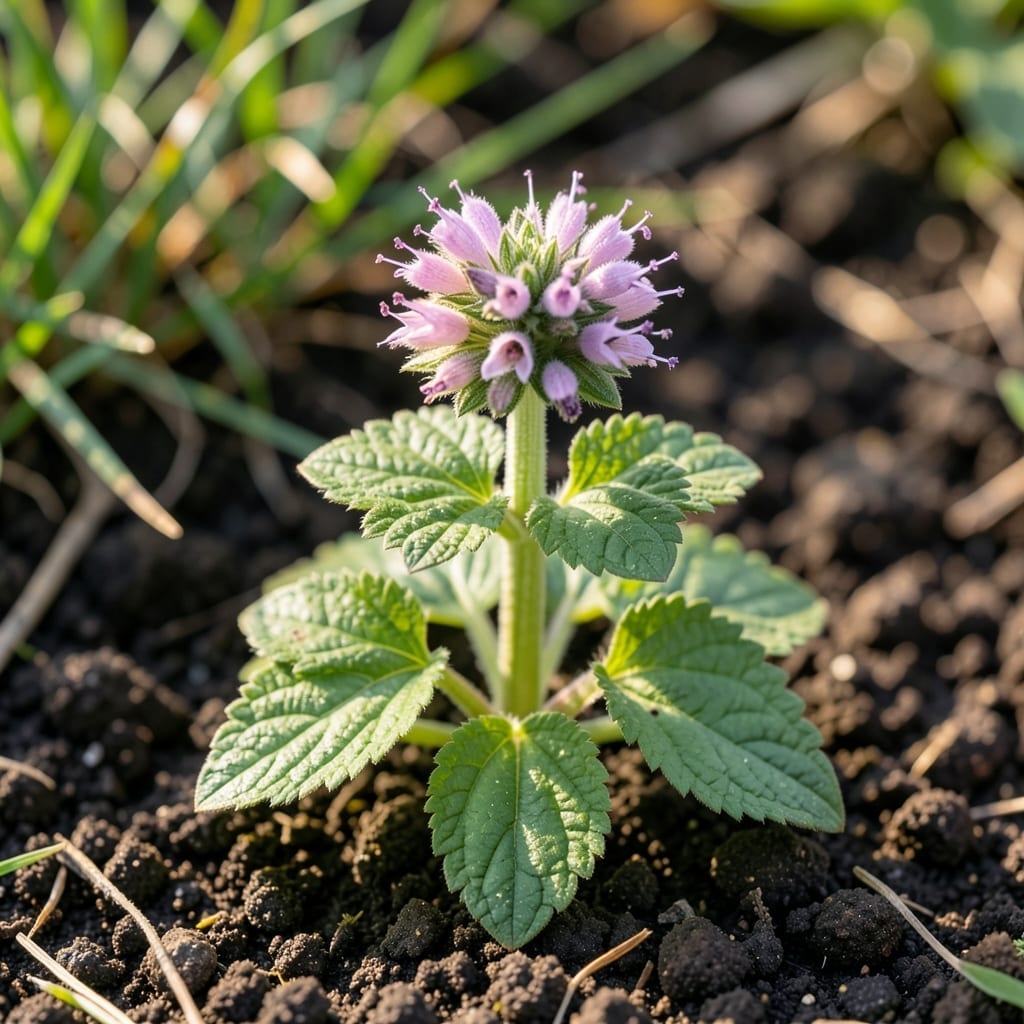
I was surprised to learn that the Red Dead Nettle 🌸 isn’t just another weed—it’s a gardener’s dream for effortless color. This hardy plant thrives with minimal care while attracting early pollinators to your yard.
Perfect for USDA zones 4-8, it’s ideal for those who want vibrant purple blooms without the fuss. Whether you’re a beginner or seasoned gardener, this plant delivers beauty with little maintenance.
Let me show you how to grow and care for this underrated gem. You’ll be amazed at how easily it transforms your garden space.
I love how the red dead nettle plant transforms gardens with its vibrant purple blooms and minimal care needs. This hardy ground cover thrives in USDA zones 4-8, making it perfect for many climates.
To get started, you’ll want to plant in well-draining soil during early spring or fall. This timing gives your plants the best chance to establish strong roots before extreme weather hits.
| Requirement | Specification |
|---|---|
| Sunlight | Full sun to partial shade |
| Water | Weekly (1 cup per plant) |
| Soil | Well-draining, average fertility |
| Planting Time | March-May or September-October |
| Spacing | 6-12 inches apart |
For optimal growth, I recommend planting in a spot that gets 4-6 hours of sunlight daily. While it tolerates partial shade, more sun means more of those gorgeous purple flowers we all love.
The watering schedule is simple: once weekly is usually enough, but increase to twice weekly during hot, dry summers. Always water in the early morning to prevent fungal issues.
I’ve found that mulching around plants helps retain moisture and suppress weeds. Use organic mulch like wood chips or straw for best results. This also protects roots during temperature fluctuations.
Fertilizing isn’t strictly necessary, but if you want to boost blooming, apply a balanced 10-10-10 fertilizer every 6-8 weeks during the growing season. Remember, less is more with this low-maintenance plant.
For propagation, you can easily divide mature plants in early spring or fall. Simply dig up a clump, separate the roots, and replant the divisions. They’ll establish quickly with minimal fuss.
One of my favorite things about red dead nettle is its self-seeding nature. If you let some flowers go to seed, you’ll likely see new plants popping up the following year, creating a beautiful, natural spread.
To maintain a tidy appearance, I suggest deadheading spent blooms regularly. This not only keeps your garden looking neat but can also encourage more flowers to form throughout the season.
With these simple care tips, you’ll enjoy a vibrant, pollinator-friendly garden feature that requires minimal effort but delivers maximum impact. 🌸
I’ve found that the red dead nettle plant offers far more than just beautiful purple blooms. This versatile plant is a powerhouse for supporting early pollinators like bees and butterflies when few other flowers are in bloom.
In landscaping, it works wonderfully as a low-growing ground cover, filling gaps between taller plants and adding vibrant color to borders. Its hardy nature makes it ideal for wildflower gardens and meadow-style plantings.
The ecological benefits are impressive too. As an early bloomer, it provides critical nectar sources for pollinators emerging from winter hibernation, helping sustain local ecosystems.
For gardeners looking to create a low-maintenance landscape, this plant is a dream. It requires minimal care, tolerates a range of soil conditions, and self-seeds readily, reducing the need for replanting each year.
I particularly love using it in cottage gardens where its informal, natural look complements other perennials. It also pairs beautifully with spring bulbs like daffodils and tulips for layered seasonal interest.
In shaded areas, it performs better than many other flowering plants, making it perfect for those tricky spots under trees or along north-facing walls where other plants might struggle. 🌸