
Beautiful Plants For Your Interior
Beautiful Plants For Your Interior
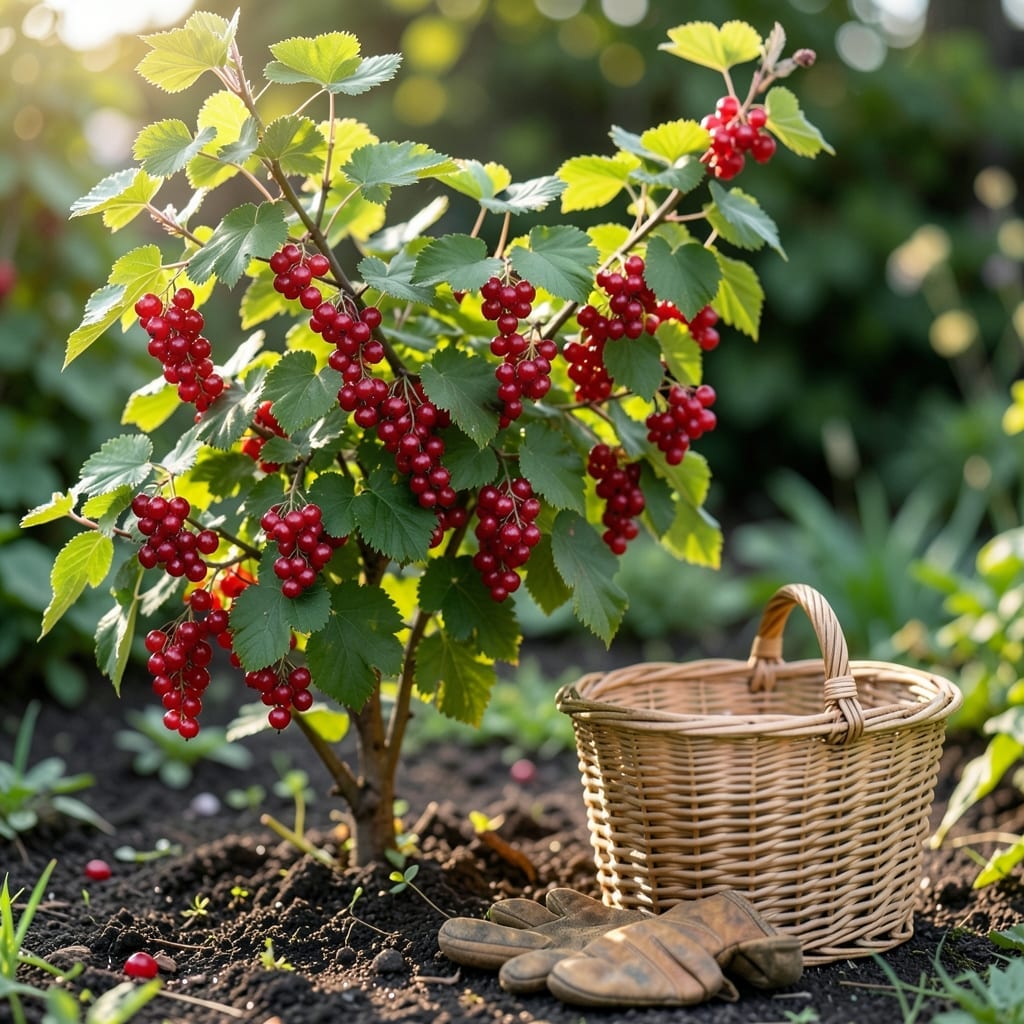
Knowing the exact timing for Red Currant harvest can transform your summer. That first taste of perfectly ripe 🍇 berries is what every gardener dreams about.
In zones 3-7, the window is brief but rewarding. Plant in early spring, and by mid to late summer, you’ll be ready to pick.
I’ve learned that watching for deep red color and slight softness means they’re at peak flavor. Miss this moment, and you might end up with tart or overripe fruit.
Discover how to time your harvest perfectly and enjoy the sweetest berries of the season. It’s simpler than you think.
The red currant season typically begins in early summer and can extend through late summer, depending on your region. In cooler climates like the Pacific Northwest, expect berries to ripen in July. Warmer areas may see an earlier start.
I’ve found that USDA zones 3-7 are ideal for these shrubs, with the peak harvest window usually spanning 4-6 weeks. The exact timing hinges on spring temperatures and sunlight exposure during the growing season.
For the best flavor, I wait until the berries turn deep red and feel slightly soft. In my garden, this usually happens in mid-July, but I always check the berry clusters for uniform color.
The climate plays a huge role. In cooler regions, the season might start later, while warmer areas could see berries ripening as early as June. I’ve noticed that consistent watering helps regulate the timeline.
If you’re in zone 5, like me, expect the first ripe berries around July 4th weekend. The season lasts about a month, so I plan my harvest schedule accordingly to catch the peak sweetness.
Watch for visual cues like plump berries and a slightly glossy sheen. These are sure signs that the red currants are ready. I also gently tug a few—if they detach easily, they’re perfect for picking.
In drought-prone areas, the season might be shorter, so I mulch heavily to retain moisture. This helps extend the harvest window and keeps the berries juicy through the hottest weeks.
For container-grown red currants, the season can vary based on pot size and sun exposure. I’ve had success with larger containers that allow the roots to stay cool, which can delay ripening slightly.
If you’re new to growing red currants, start by noting when your first berries appear and track their progress. This helps you predict next year’s season with greater accuracy.
I always mark my harvest dates in a gardening journal. It’s a simple way to compare year-to-year and adjust my care routine for bigger, sweeter yields each season.
Identifying the perfect red currant harvest time is all about the details. I look for a deep crimson color that replaces the initial green, signaling full ripeness. The berries should feel plump and slightly soft to the touch.
A gentle tug should release the berries easily from the stem cluster. If they resist, they’re not ready. I also check for a sweet aroma that develops as the fruit matures. This is nature’s way of saying “pick me!”
One common mistake I see is harvesting too early when berries still have green patches. These will be tart and underdeveloped. On the flip side, overripe berries may become mushy or split on the bush.
I recommend doing a taste test on a few berries from different clusters. If they’re sweet with just a hint of tartness, your entire crop is likely ready. Remember that cool mornings are ideal for picking.
For the best flavor, I harvest my red currants in clusters rather than individual berries. This preserves their natural structure and makes for easier processing later. Just be sure to handle them gently to avoid bruising.
Finally, keep an eye on weather conditions. Heavy rain can cause ripe berries to split, while extreme heat might accelerate ripening. I find that mid to late summer is typically peak season for most regions.
☀️