
Beautiful Plants For Your Interior
Beautiful Plants For Your Interior
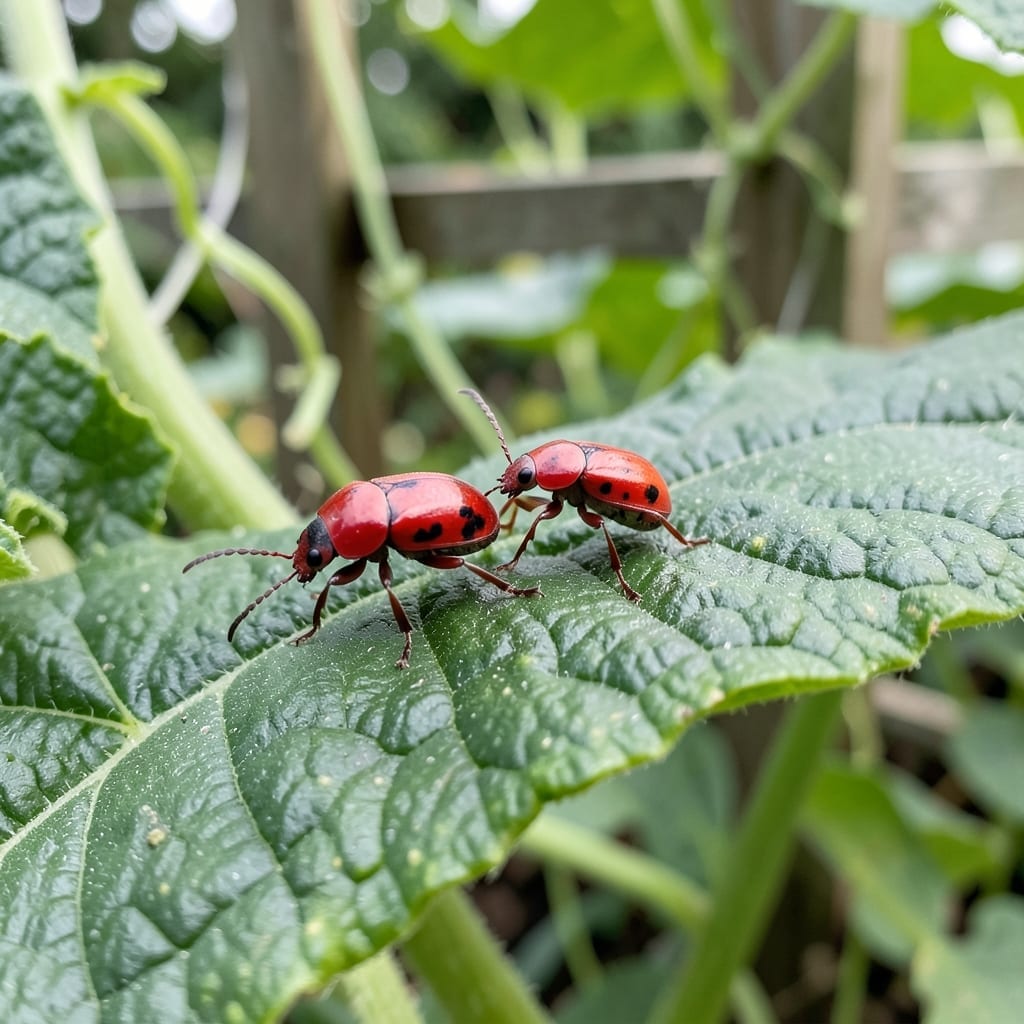
Red spots on your cucumber leaves mean trouble. 🌱 I first noticed them when my vines started looking dusty and weak—turns out those tiny red dots were spider mites sucking the life out of my plants.
These pests multiply fast in hot, dry weather, leaving behind webbing and stunted growth. The good news? You can fight back without chemicals. A strong blast of water dislodges them, while neem oil smothers what’s left.
Companion plants like nasturtiums or marigolds help repel future invaders. I lost three plants before figuring this out—now my cucumbers stay lush and productive all season.
Prevention is simpler than cure: keep leaves clean, water at the base, and check undersides weekly. Your vines will thank you.
Red bugs on cucumber plants often appear due to environmental or cultural conditions that favor their proliferation. Below are the most common causes, explained with actionable insights.
Red spider mites (Tetranychus urticae) and other tiny red pests thrive in hot, dry weather. Cucumber plants under heat stress produce weaker defenses, making them easy targets. These bugs reproduce rapidly in temperatures above 80°F (27°C) with low humidity. Action: Use shade cloths and maintain consistent moisture to deter them.
Stressed cucumber plants—whether from nutrient deficiencies, overwatering, or root damage—emit chemical signals that attract pests. Red bugs like aphids and mites are drawn to weakened plants. Action: Ensure balanced fertilization (especially nitrogen) and avoid waterlogged soil to keep plants resilient.
Beneficial insects like ladybugs, lacewings, and predatory mites keep red bug populations in check. When these predators are absent (due to pesticide overuse or monoculture planting), pests multiply unchecked. Action: Introduce beneficial insects or plant companion flowers (e.g., marigolds) to restore balance.
Red bugs or their eggs can hitchhike on infected soil, gardening tools, or even bought seedlings. If previous crops had infestations, residual pests may linger. Action: Sterilize tools with rubbing alcohol and solarize soil before planting to break the pest cycle.
Dealing with red bugs on cucumber plants can be frustrating, but these practical solutions will help you restore your garden’s health. Below are targeted fixes for common causes, along with prevention tips to keep pests at bay.
If you spot a few red bugs, act fast. Use a strong stream of water from a hose to knock them off the plants. For stubborn pests, pick them off by hand (wear gloves!) and drop them into soapy water. Check the undersides of leaves, where they often hide.
Prevention tip: Inspect plants daily during growing season to catch infestations early.
Mix 1 tbsp neem oil + 1 tsp mild soap + 1 quart of water and spray evenly on leaves, focusing on hotspots. Neem disrupts the bugs’ life cycle and deters new ones. Reapply every 5–7 days or after rain.
Prevention tip: Apply neem oil preventatively before pests appear, especially in warm weather.
Ladybugs, lacewings, and parasitic wasps are natural predators of red bugs. Release them in your garden at dusk for best results. Avoid broad-spectrum pesticides, which can harm these helpers.
Prevention tip: Plant companion flowers like marigolds or alyssum to attract beneficial insects year-round.
Red bugs thrive in clutter. Remove fallen leaves, weeds, and plant debris around cucumber vines to eliminate hiding spots. Rotate crops yearly to disrupt pest cycles.
Prevention tip: Use mulch to create a barrier and reduce weed growth.
Combine these methods for the best results. Consistency is key—stay vigilant, and your cucumbers will thrive! 🌱
Yes, they can cause significant damage. Red spider mites and aphids suck plant sap, causing yellowing leaves and stunted growth. Heavy infestations can kill young plants.
Plant companion flowers like marigolds, maintain consistent moisture, and inspect leaves weekly. Remove garden debris to eliminate hiding spots.
A mild soap solution (1 tsp per quart of water) can kill them on contact. Spray directly on bugs, especially leaf undersides. Reapply every 3-4 days as needed.
Wash them thoroughly first. The bugs themselves aren’t toxic, but their presence may indicate pesticide use. Always rinse produce from treated plants.