
Beautiful Plants For Your Interior
Beautiful Plants For Your Interior
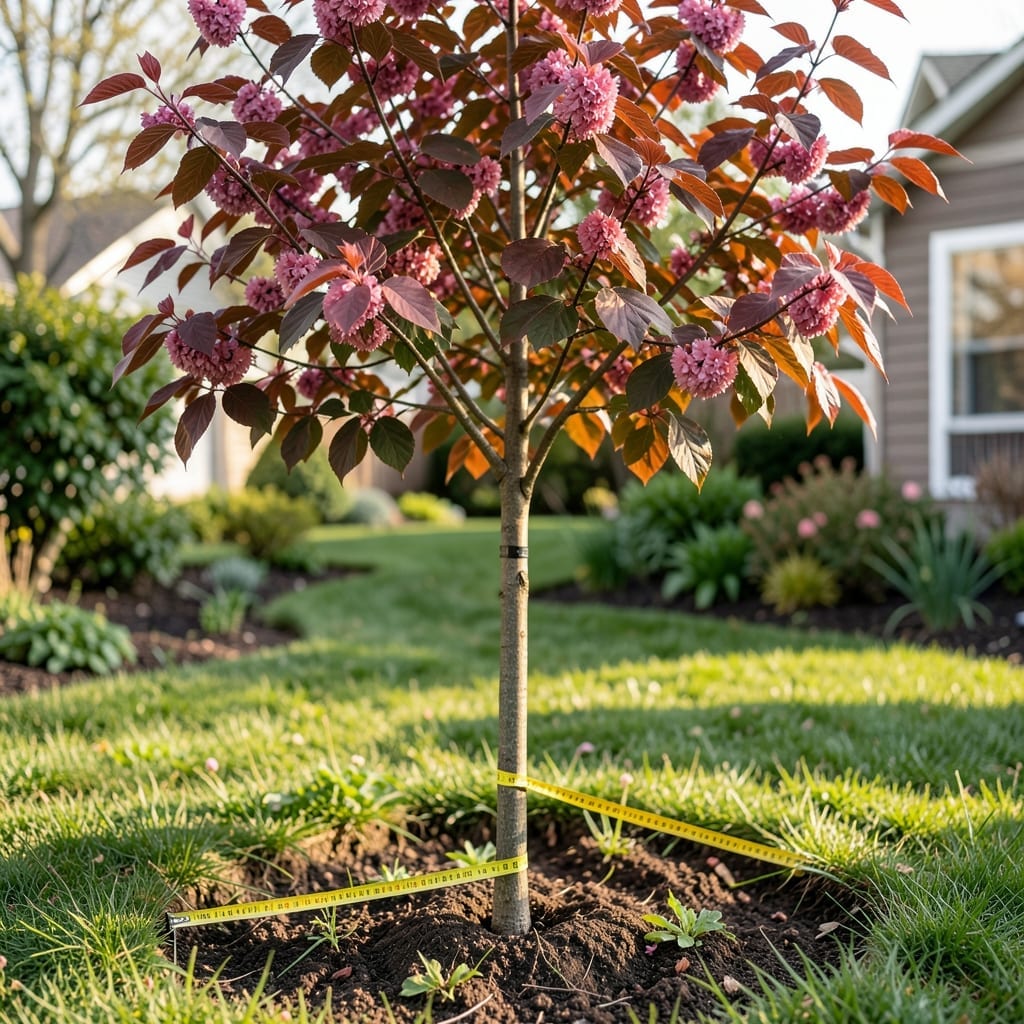
Planning your garden around a Redbud Tree 🌳 starts with understanding its full-grown dimensions to ensure proper spacing and landscape harmony.
These beautiful trees can transform any outdoor space, but their size at maturity often surprises new gardeners. Knowing the expected height and spread helps you place them perfectly.
Discover how to create the ideal setting for your Redbud Tree while maintaining balance in your garden design. Let’s explore what you need to know.


When I plan my garden, I always consider the mature size of each plant. For Redbud Trees, the standard varieties typically reach 20-30 feet tall with a 15-25 foot spread. This makes them perfect for medium to large landscapes.
There are also dwarf varieties that stay compact at 10-15 feet tall, ideal for smaller spaces. Understanding these dimensions helps me create a balanced, beautiful garden layout.
| Variety | Mature Height | Mature Spread |
|---|---|---|
| Eastern Redbud | 20-30 ft | 15-25 ft |
| Mexican Redbud | 10-15 ft | 8-12 ft |
| Judas Tree | 15-25 ft | 10-20 ft |
| Dwarf Varieties | 6-10 ft | 5-8 ft |
The Eastern Redbud is the most common type I see in gardens. It grows to about 20-30 feet tall with a 15-25 foot spread, creating a beautiful canopy. Its size makes it ideal for shade gardens or as a focal point in the landscape.
For smaller gardens, I recommend Mexican Redbud or dwarf varieties. These stay under 15 feet tall and can fit in tight spaces. They still offer the same stunning spring blooms without overwhelming the yard.
The Judas Tree is another popular choice, reaching 15-25 feet tall. Its slightly smaller size makes it versatile for both urban and suburban settings. I love how its pink flowers brighten up the garden in early spring.
I always remind gardeners to check the specific cultivar when planting. Some newer hybrids may have slightly different size ranges. For example, the ‘Lavender Twist’ weeping redbud stays smaller, typically under 10 feet tall.
Growing conditions can also affect final size. In ideal conditions with full sun and well-draining soil, redbuds tend to reach their maximum height. But in partial shade or poorer soil, they may stay smaller.
I find that proper pruning helps maintain the desired size. Regular trimming keeps the tree healthy while controlling its spread. This is especially useful for dwarf varieties in confined spaces.
No matter the variety, redbuds bring year-round interest to the garden. From spring blooms to fall foliage, they’re a fantastic addition to any landscape. Just 🌳
In my experience, the final size of a Redbud Tree isn’t just about genetics. Growing conditions play a huge role in how tall and wide your tree will get. Ideal environments help these trees reach their maximum potential size.
I’ve noticed that soil quality makes a big difference. Rich, well-draining soil encourages steady growth, while poor soil can stunt development. A pH between 6.0-7.5 works best for optimal size.
Sunlight is another critical factor. Redbuds in full sun typically grow taller than those in partial shade. I’ve seen trees in shady spots stay 30% smaller than their sun-loving counterparts.
Water availability affects size too. During the first 2 years, consistent moisture helps establish a strong root system. Once established, redbuds are fairly drought-tolerant, but regular watering still encourages growth.
I always recommend pruning to manage size. Annual trimming helps control spread and encourages upward growth. This is especially important for dwarf varieties in confined spaces.
Regional differences matter as well. In warmer climates (Zones 7-9), redbuds often grow larger than in cooler areas (Zones 4-6). The growing season length directly impacts annual growth rates.
With proper care and ideal conditions, your redbud can reach its full 20-30 foot potential. But even in less-than-perfect situations, these adaptable trees still thrive, just at a more modest size 🌳