
Beautiful Plants For Your Interior
Beautiful Plants For Your Interior
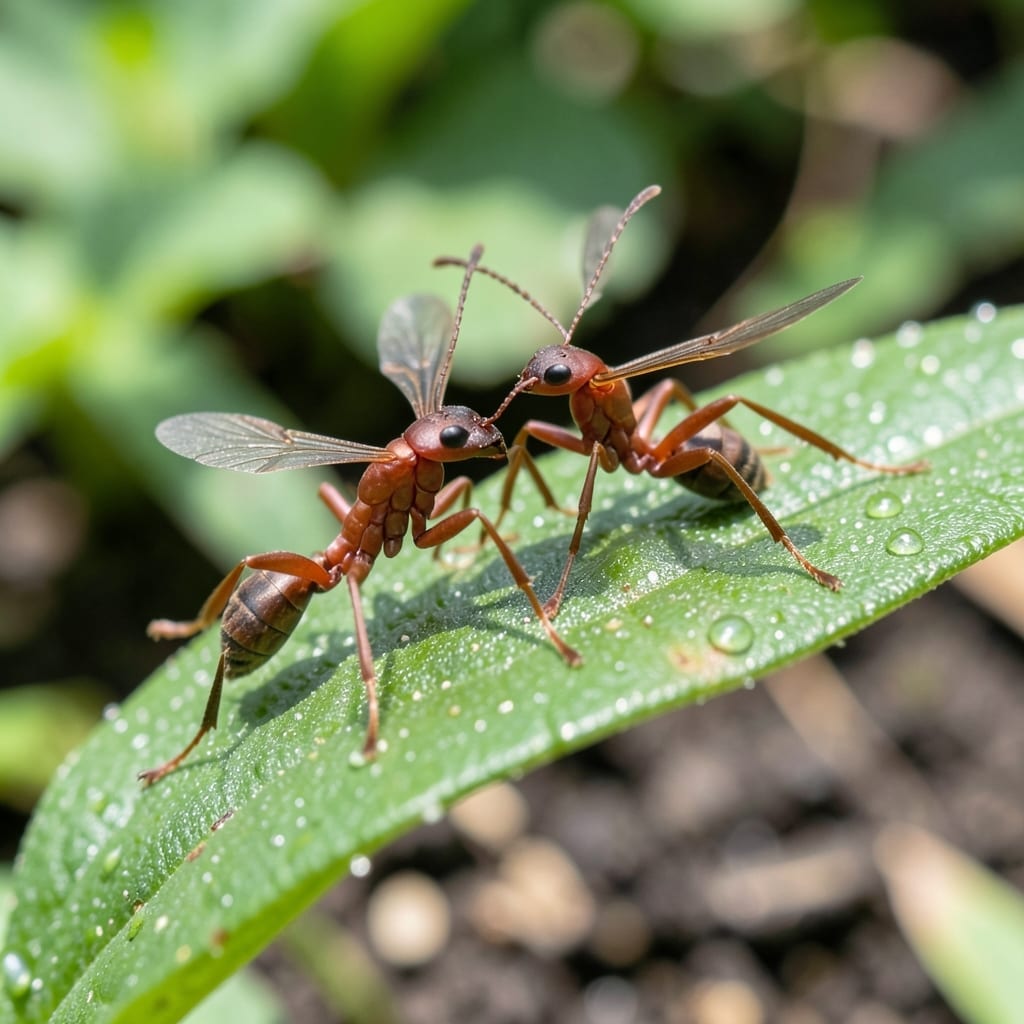
Spotted red ants with wings in your garden? Don’t panic—they’re not a new species, just a seasonal nuisance with a clear purpose. I first noticed them swarming near my compost pile last spring, and it took me a while to connect the dots.
These winged ants are actually reproductive males and females on their mating flight. After a few warm, humid days, they emerge in droves, mate mid-air, then shed their wings to start new colonies. The good news: they don’t bite like their ground-dwelling cousins.
The bad news? They love moist soil and decaying organic matter, which means your garden beds and compost are prime real estate. Left unchecked, they’ll establish colonies that can disrupt plant roots and attract other pests.
Here’s the thing—you can stop them before they settle in. The solution is simpler than you think, and it starts with understanding their life cycle. No chemicals required.
The sudden appearance of winged red ants often startles homeowners, but this phenomenon is a natural part of their life cycle. Here’s why it happens:
Most winged red ants are reproductives—either future queens or males—participating in nuptial flights. Triggered by warm, humid weather (often after rain), these ants take to the air to mate. After mating, males die, and fertilized females shed their wings to start new colonies. This is the most common cause of flying red ants indoors or outdoors.
Established ant colonies produce winged individuals when resources are abundant. If a colony outgrows its nest or faces competition, it may generate alates (winged ants) to disperse and found new colonies. This is nature’s way of ensuring species survival, but it can lead to infestations if they settle near your home.
Sometimes, disturbances like habitat destruction, pesticide exposure, or extreme weather can force a colony to produce winged ants prematurely. This is a survival tactic to relocate before conditions worsen. If you notice a sudden surge, inspect for nearby nests or recent environmental changes.
Actionable Tip: Sealing entry points and reducing moisture can deter these flyers from settling indoors after their flights.
Dealing with winged ants requires a mix of immediate action and long-term prevention. Here’s how to tackle each cause and keep them from returning.
Inspect damp areas like basements, under sinks, or behind appliances for nests. Use a vacuum to remove visible ants, then seal the bag and dispose of it outside. Follow up with insecticide dust or boric acid baits in wall voids or cracks where they hide. Prevention tip: Fix leaks and reduce moisture with dehumidifiers. 💡
Look for mounds or trails near foundations, trees, or piles of wood. Treat outdoor nests with granular ant baits or pour boiling water directly into the mound for a chemical-free approach. Prevention tip: Keep firewood stacked away from your home and trim vegetation touching your walls. ✨
Winged ants swarm near food sources. Wipe counters, store food in airtight containers, and take out trash regularly. Use sugar-based baits to lure and poison workers, which will spread the toxin to the colony. Prevention tip: Clean up spills immediately, especially sweet or greasy residues. 🎯
Caulk cracks in windows, doors, and foundations with silicone sealant. Install door sweeps and repair torn screens. For a temporary fix, apply diatomaceous earth along entryways—it dehydrates ants on contact. Prevention tip: Inspect your home’s exterior annually for new gaps. 🌡️
No, they don’t bite or sting like fire ants. These are reproductive ants during mating season and pose no direct threat to humans or pets.
The swarming phase typically lasts 1-2 days, depending on weather conditions. After mating, they shed their wings and disappear.
They’re likely entering through cracks or open windows during their mating flight. Check for moisture or food sources that may be attracting them.
Seal entry points, reduce moisture, and eliminate food sources. Regularly inspect your home’s exterior for potential nest sites.