
Beautiful Plants For Your Interior
Beautiful Plants For Your Interior
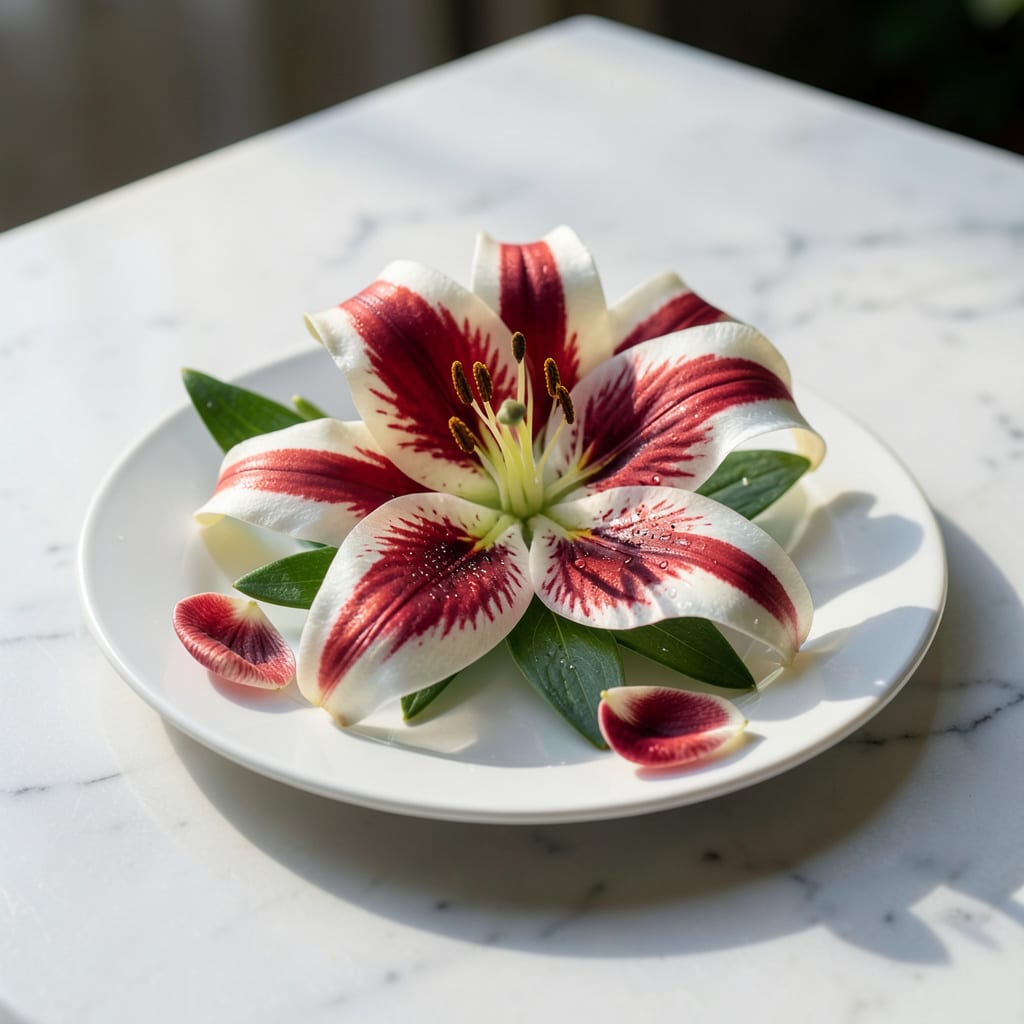
First time I saw these blooms, I stopped mid-step. The bold red stripes against pure white petals create a showstopper that demands attention in any garden bed.
They thrive with 6-8 hours of sun and well-draining soil. Plant the bulbs 4-6 inches deep in fall, and by midsummer you’ll have dramatic, 3-4 foot tall stems loaded with colorful flowers that attract pollinators all season.
📚 In This Guide
Here’s my proven approach for establishing these showstopping bicolor blooms in your garden.
Select a spot with full sun to partial shade, as these lilies thrive with 6+ hours of direct sunlight daily. Avoid low-lying areas where water pools—soggy soil is a death sentence for bulbs. I always test drainage by digging a 12-inch hole and filling it with water; if it doesn’t drain within 1 hour, pick another location.
Soil should be rich, well-draining, and slightly acidic to neutral (pH 6.0-7.0). If your soil is heavy clay, amend it with compost or aged manure to improve texture. These lilies prefer loam but tolerate a range of conditions if drainage is adequate.
Loosen the soil to a depth of 12-15 inches to encourage strong root development. Mix in a 2-3 inch layer of organic matter like compost or peat moss to boost fertility. I also add a handful of bone meal or bulb fertilizer to the hole for a nutrient boost—this fuels early growth.
Space bulbs 8-12 inches apart to allow for mature plant spread. Planting depth is critical: place the bulb 4-6 inches deep (measure from the base of the bulb to the soil surface). Deeper planting protects against frost heave in colder climates.
Set the bulb in the hole with the pointed end facing upward. Backfill with soil, pressing gently to eliminate air pockets. Water immediately after planting to settle the soil and initiate root growth. Use 1-2 gallons of water per bulb—enough to moisturize the entire planting zone without creating a bog.
Mulch the area with a 2-3 inch layer of organic mulch (straw or shredded bark) to retain moisture and suppress weeds. Keep the mulch 1 inch away from the stem to prevent rot. You’ll see the first shoots emerge in 2-3 weeks if planted in spring.
Water consistently during the growing season, aiming for 1-1.5 inches of water weekly. These lilies are somewhat drought-tolerant once established but bloom best with steady moisture. I water deeply at the base to avoid wetting the foliage, which can invite fungal diseases.
Fertilize lightly with a balanced 10-10-10 fertilizer every 4-6 weeks during active growth. Stop fertilizing once the foliage begins to yellow and die back in late summer—this signals the bulb is entering dormancy. Deadhead spent blooms to redirect energy into bulb storage for next year’s display.
After flowering, allow the foliage to remain until it turns brown and withers naturally—this process replenishes the bulb’s energy reserves. Cut back dead stems to the ground in late fall or early winter. In colder zones (USDA 3-5), add an extra 4-6 inches of mulch after the ground freezes for winter protection.
Divide clumps every 3-4 years if blooms diminish or the patch becomes overcrowded. Dig up bulbs in early fall, separate offsets, and replant immediately. This rejuvenates the planting and ensures consistent, vibrant blooms year after year.
Here’s what I’ve learned through years of cultivating these stunning bicolor lilies to help you avoid the most common pitfalls.
Drainage Test: In Step 1, that 1-hour drainage test with a 12-inch hole isn’t just a suggestion—it’s your insurance against bulb rot. If water lingers beyond an hour, raise the bed or amend the soil with coarse materials like perlite. Confession: I skipped this once and lost an entire planting to soggy soil.
Planting Depth Precision: The 4-6 inch depth in Step 2 is critical for frost protection. Measure from the bulb’s base, not the tip, and go deeper in colder zones. I’ve found that 6 inches works best in USDA zone 5, while 4 inches suffices in milder climates. Deeper planting also prevents bulbs from heaving during freeze-thaw cycles.
Mulch Placement: When mulching in Step 3, that 1-inch gap from the stem isn’t just for aesthetics—it’s rot prevention. Piling mulch against stems traps moisture and invites fungal issues. Use straw or shredded bark for best results, and refresh the 2-3 inch layer annually as it decomposes.
Fertilizer Timing: The 4-6 week interval for 10-10-10 fertilizer in Step 4 is designed to match the lily’s growth cycle. Stop fertilizing as soon as you see foliage yellowing—this signals dormancy. I mark my calendar to avoid overfeeding, which can lead to weak, floppy stems that can’t support the dramatic blooms.
Keep the soil moist but well-drained, and place the plant in full sun to partial shade. Fertilize lightly in spring and deadhead spent blooms to encourage more flowers.
Plant bulbs in early spring or fall, at least 4-6 inches deep. This timing allows roots to establish before extreme temperatures.
Try ‘Stargazer’ lilies (pink and white) or ‘Tiger Lilies’ (orange with spots) for similar drama. Both thrive in comparable conditions.
Check for insufficient sunlight, overcrowded bulbs, or poor soil. Ensure they’re not planted too shallowly and receive balanced fertilizer.
No, deer often eat lily foliage and blooms. Use repellents or plant them near deer-resistant species like daffodils for protection.
