
Beautiful Plants For Your Interior
Beautiful Plants For Your Interior
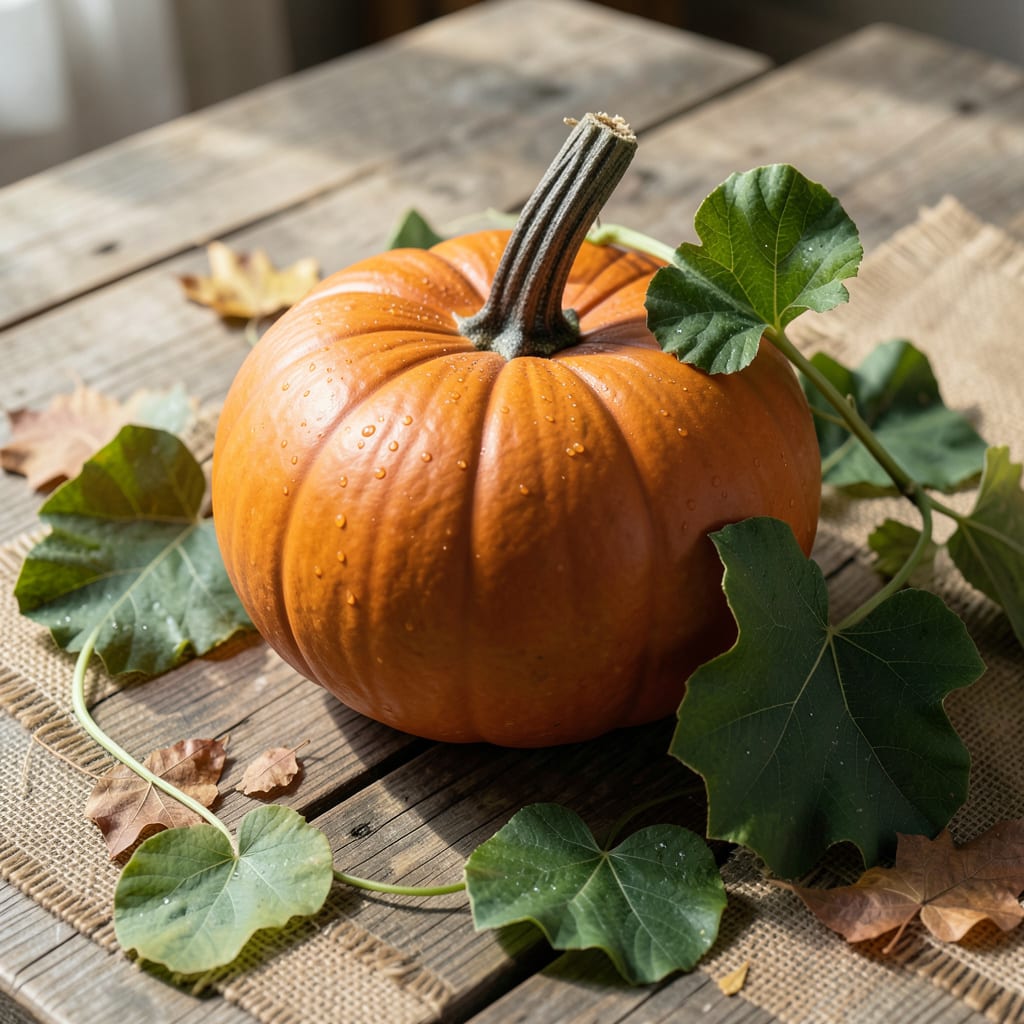
There’s nothing like seeing those first deep green leaves unfurling on your pumpkin vines. I remember checking mine daily, waiting for that moment when the plant finally looked healthy and strong.
By mid-summer, you’ll spot the telltale signs: sturdy stems, vibrant leaves, and those bright yellow flowers that promise pumpkins to come. The key is giving them room to spread—at least 10 feet per plant.
📚 In This Guide
These steps reveal how to confirm your pumpkin plant is thriving and producing healthy growth with strong leaves.
Start by checking the main vine for firmness and color. A healthy stem feels solid when gently pressed, not soft or mushy. The color should be a deep green, not pale or yellowing. I run my fingers along the vine weekly to catch any weak spots early.
Look for secondary vines branching off the main stem. These should be equally firm and vibrant, spreading outward in multiple directions. If vines appear thin or brittle, they’re likely struggling with nutrient deficiencies or insufficient water.
Healthy pumpkin leaves are broad, deep green, and slightly rough to the touch. Hold a leaf up to the light—you should see a rich, uniform color with no yellowing or brown spots. I check the undersides too, as pests often hide there.
Leaves should feel sturdy, not flimsy or wilted, even in hot afternoon sun. If edges look crispy or curled, the plant may need more consistent watering. Don’t confuse natural leaf veins with disease—thick, prominent veins are a good sign.
Pumpkin plants grow rapidly, so measure progress by tracking new growth. In ideal conditions, you’ll see 1-2 inches of vine extension daily during active growth phases. I mark the vine’s tip with a small stake to monitor this easily.
New leaves should emerge from the center of the plant in a tight, spiral pattern. If growth slows dramatically or new leaves appear stunted, check for pests or compacted soil. Healthy plants also produce tendrils that curl around supports or the ground.
Once vines reach 6-8 feet long, look for bright yellow flowers. Male flowers appear first, followed by female blooms with tiny pumpkins at their base. I count flowers weekly to ensure pollination is happening.
Fruits should plump up noticeably within 7-10 days after pollination. If small pumpkins yellow and drop, it often means poor pollination. Healthy fruits feel firm and heavy for their size, with smooth, unblemished skin.
Step back and observe the entire plant. A thriving pumpkin should have a bushy, sprawling appearance with vines covering 20-30 square feet of space. I compare my plants to photos of healthy specimens to spot discrepancies.
At peak health, the plant will have dozens of leaves, multiple secondary vines, and several developing fruits. If any section looks bare or stunted, redirect your care there first. Consistent growth across the whole plant signals it’s on track for a strong harvest.
Here’s what I’ve learned from seasons of growing pumpkins that actually thrive.
Vine Vigilance: In Step 1, when checking the main vine, press gently but firmly. A healthy stem should feel like a fresh cucumber—solid and unyielding. If it gives slightly or feels hollow, that’s your first warning sign of trouble. I’ve saved plants by catching soft spots early and adjusting water immediately.
Leaf Intelligence: For Step 2, don’t just glance at the tops of leaves. Flip them over and look for tiny pests or eggs on the undersides. Also, those crispy edges you’re seeing? That’s often inconsistent watering rather than disease. Pumpkins need steady moisture, especially during hot afternoons.
Growth Tracking: The 1-2 inches of daily vine growth mentioned in Step 3 is your plant’s heartbeat. If you’re not seeing this, mark the vine tip with a popsicle stick and check the next day. No movement? Check your soil compaction and sunlight exposure before assuming it’s a nutrient issue.
Size Matters: Step 5 mentions vines covering 20-30 square feet, and that’s not an exaggeration. If your plant looks crowded, it probably is. Pumpkins need space to sprawl, and a plant that’s too contained will sacrifice fruit production for vine growth. I use a measuring tape to ensure I’m giving mine enough room.
Look for vibrant green leaves, strong stems, and steady vine growth. Yellowing or wilting leaves may signal overwatering or pests. Healthy plants also produce tendrils and flowers.
Plant pumpkin seeds after the last frost when soil temperatures reach 60°F (15°C). In most regions, this is late spring. Warm soil ensures faster germination and robust leaf growth.
Yes, but choose compact varieties like ‘Jack Be Little’ and use large containers (5+ gallons). Ensure proper drainage and support for vines. Container-grown pumpkins may need extra watering.
Yellow leaves often indicate overwatering, nutrient deficiencies (like nitrogen), or pests. Check soil moisture and fertilize if needed. Remove affected leaves to prevent disease spread.
Prune damaged leaves, improve drainage, and water deeply at the base (not leaves). Apply a balanced fertilizer and ensure 6-8 hours of sunlight daily. Patience is key!
